

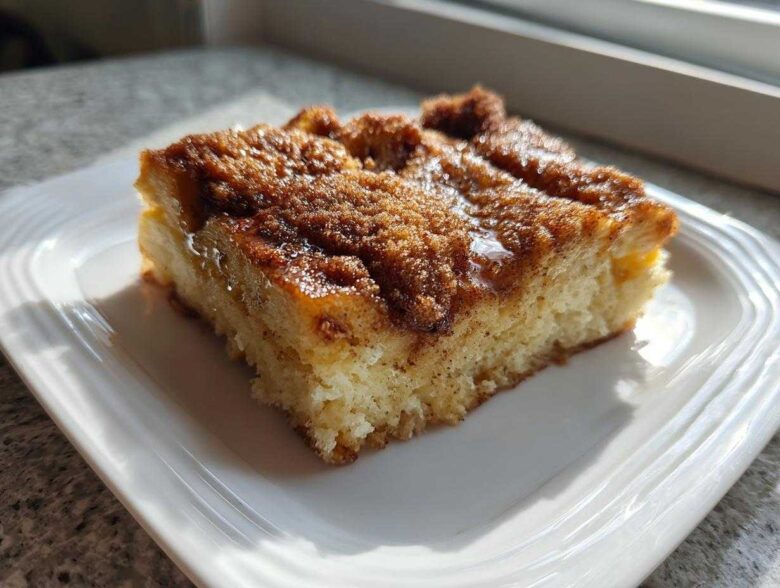
Oh, weekend brunch! It sounds so lovely in theory—pajamas on, coffee brewing, everyone gathering round. But let’s be honest, flipping a mountain of individual slices of French toast when you’re trying to feed more than two people? It’s chaos, pure and simple. I’ve been there, trying to keep the first batch warm while juggling the fourth! That’s why I absolutely swear by the Ultimate Make-Ahead Overnight Baked French Toast Casserole. This recipe changed everything for my family gatherings. Trust me, making great baked french toast for ten people is just as easy as making it for two, and you get to enjoy those cozy morning vibes without the burnout.
Why This Overnight Baked French Toast Casserole is the Best Weekend Brunch Recipe
There are so many quick breakfast options out there, but nothing beats the cozy comfort of a big, warm casserole coming out of the oven. This recipe is my secret weapon for stress-free hosting. It checks every box for the perfect make ahead brunch recipe.
- You mix it up the night before, so on Saturday morning, you only have to think about brewing the coffee! That’s huge for me.
- It bakes up beautifully huge, making it the ultimate family style breakfast solution—no flipping required whatsoever.
- The texture is just incomparable. It’s rich, set, and totally delicious. Check out more great breakfast ideas on the site!
Achieving Fluffy Baked French Toast Texture
The magic here happens entirely in the fridge. When you let that custard soak into the bread overnight, the bread cubes genuinely soften all the way through. You aren’t dealing with dry middle pieces and soggy edges like you often do when you rush things.
Using thick, sturdy bread like challah or brioche is key, too. They grab onto all that creamy egg mixture but hold their shape beautifully while baking up light and fluffy. It stops the whole thing from turning into mush!
Essential Ingredients for Ultimate Baked French Toast
You can’t get a show-stopping breakfast bake without top-notch ingredients, and I’m going to lay out exactly what you need. Think about this section as your grocery check-off list. Being super specific here ensures you nail the texture and flavor, which is how we build trust in the kitchen, right?
The Bread Choice for Your Baked French Toast Casserole
This is non-negotiable for that fluffy texture! Please skip the standard, thin-sliced sandwich bread. We need substance here for this baked french toast casserole. I swear by thick-cut brioche or challah because they are soft but sturdy enough to soak up all the liquid without collapsing into goo. If your bread is a day or two old, even better! Slightly stale bread absorbs the custard way more evenly than fresh slices do. Save that soft stuff for your sandwiches!
Crafting the Perfect Custard Soaked Bread Recipe
The custard is what turns simple bread into the rich experience that is baked french toast. You absolutely must use both milk AND heavy cream—that little bit of extra fat makes all the difference in richness. Don’t skimp! For spices, go heavy on the cinnamon; it’s the star. Then, add a kiss of nutmeg; it deepens the flavor profile perfectly. This liquid magic creates that incredible custard soaked bread recipe you’ve been looking for.
Cinnamon Crumble Topping Ingredients
This topping is what sets us apart from a soggy, plain bake. It bakes up crunchy and buttery right over the top, giving you that fantastic textural contrast. For the crumble, you’ll need cold butter mixed with brown sugar (for that deep molasses flavor), flour, and just a bit more cinnamon. This topping turns it into that irresistible cinnamon french toast bake that everyone begs you to make every single time.
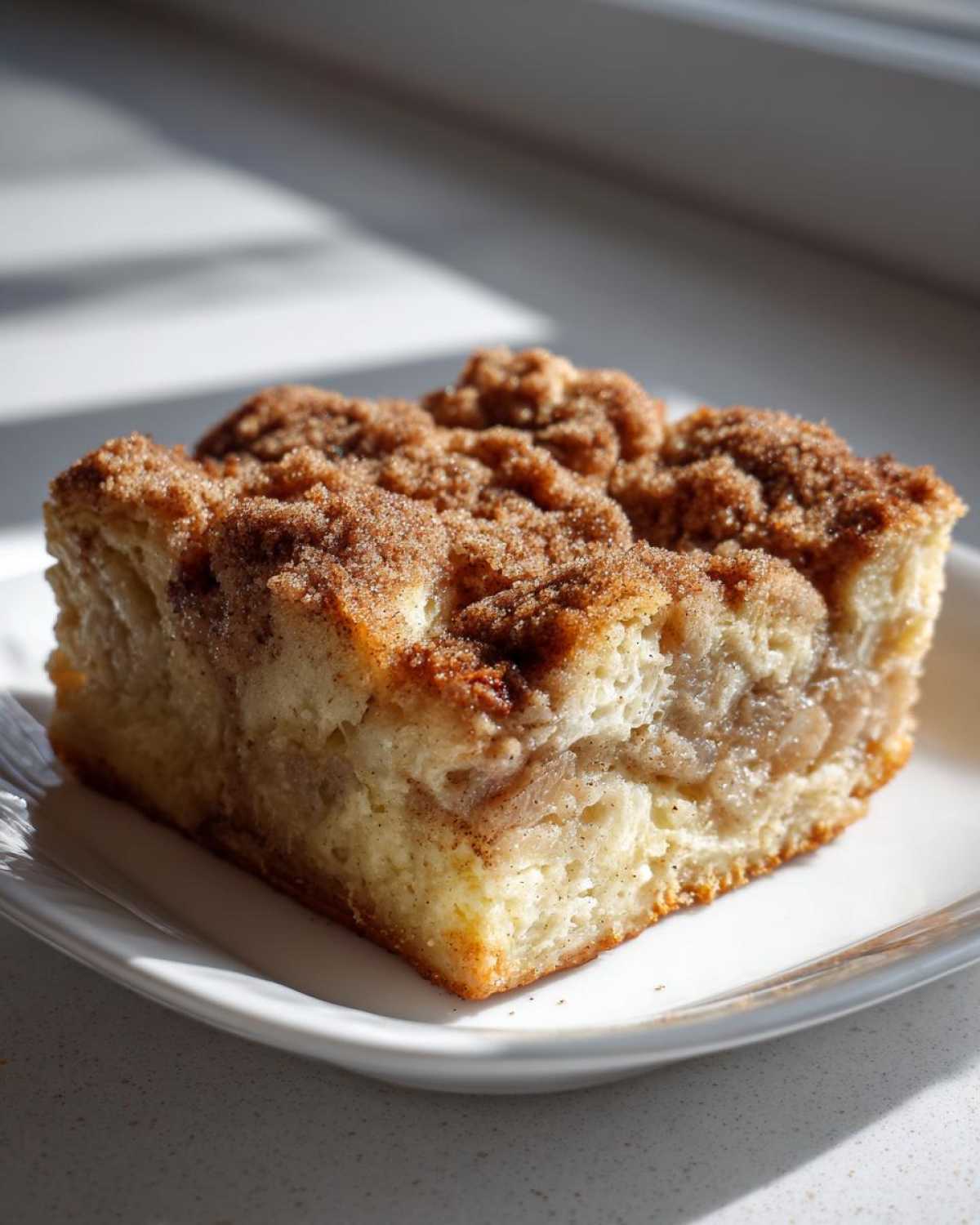
Step-by-Step Instructions for Your Overnight French Toast Bake
Okay, ready to watch the magic happen? Moving the ingredients from the bowl into the pan is the fun part, but timing is everything here. We are building layers of flavor and texture step by step. I promise, once you see how easy this baked french toast is to pull together, you’ll never go back to the skillet method for big brunches.
Assembling and Soaking the Baked French Toast
First things first, grab that 9×13 pan and make sure you grease it super well—I usually use a little leftover butter or cooking spray, just to be safe. Now, toss all your cubed bread in there and spread it out nice and even. While that’s happening, whisk up your custard mixture—I like to use my immersion blender for just three quick zaps to make sure the yolks and cream are totally married! Pour that glorious liquid over the bread. Gently press the bread cubes down with your hands or a spatula to make sure every single piece gets a good drink. Then, cover it up completely and stash it in the fridge. You need at least four hours for the best results, but honestly, doing it the night before really locks in that proper overnight french toast bake texture.
Baking Your Fluffy Baked French Toast
The next morning, set your oven to 350°F (175°C). While that heats, quickly whip up that wonderful buttery crumble topping—I just use my fingers to rub the cold butter into the sugar and flour until it looks like coarse sand. Take the chilled casserole out, scatter that topping over the top evenly, and slide it into the oven. Don’t peek for at least 40 minutes! You’ll want about 45 to 55 minutes total. It’s done when the top is totally golden brown, it looks puffy, and if you poke the very center gently, it feels set, not jiggly. This is how you guarantee fluffy baked french toast that impresses everyone. Let it rest for ten minutes before slicing—that resting time ensures it doesn’t fall apart when you serve it!
If you want some fun mix-ins while you get your topping ready, maybe check out how I use apple and cinnamon in my oatmeal sometimes for inspiration! It’s all about those warm spices!
Tips for Perfect Make Ahead Brunch Recipe Success
Even though this is called a make-ahead recipe, I’ve learned a few tricks over the years to ensure perfection, especially when dealing with those tricky early morning baking sessions. My worst nightmare is bringing out a casserole that looks flat or, worse, has a soupy bottom layer. Don’t let that be you!
If you find that your bread is just refusing to absorb all that lovely custard—maybe your bread cubes were too big or you were just short on time—don’t panic. I once had a breakfast where the center was a little less soaked than the edges. My fix? After the initial 40 minutes of baking, pull the dish out, use a spoon to gently push the edges back towards the center, and if you have any spare custard mix (if you doubled the recipe, you probably do!), drizzle just a tiny bit straight onto the dry spots. It absorbs beautifully during the final 10 minutes. This is a lifesaver for ensuring every slice of this easy breakfast casserole is evenly moist.
Also, don’t think you have to stick only to sweet things for your brunch table! Sometimes I serve this alongside something savory, like my favorite hash recipe, just to balance things out. This sweet potato hash recipe is amazing, and people always appreciate having more than one option ready to go.
When it comes to the crumble topping, keep that butter cold! If the butter is too warm when you mix it in, you won’t get those distinct little crunchy crumbs; you’ll just end up with a greasy puddle over the top. I always chill my flour mixture bowl in the freezer for about ten minutes before I mix the topping. Trust me, that extra chill time is worth it for that beautiful, crunchy crown when it comes out of the oven.
Variations on This Sweet French Toast Bake
While this recipe for baked french toast is fantastic as is—hello, sweet cinnamon crumble!—I truly believe in making recipes work for whatever mood or ingredients I have on hand. Experimenting is what keeps cooking fun, right? This casserole format is so forgiving; you can really dress it up or down depending on how fancy you want your decadent breakfast bake to be.
My favorite way to change things up is usually by adding fresh or frozen fruit right before the soak. Blueberries are a classic; they burst a little while baking and add a lovely pop of color and tartness. Peaches work beautifully, especially if you caramelize them lightly in the pan with a tablespoon of butter before you even add the bread.
For spice lovers, throw in a dash of ground cardamom with your cinnamon for a warmer, almost floral note. Or, if you want to go full autumn vibes, use half cinnamon and half pumpkin pie spice! If you’re looking for something a bit different but still warm and spiced, I’ve adapted this base for an apple version you might love: Check out this wonderful apple cinnamon french toast bake!
Making a Crème Brûlée French Toast Version
If you really want to blow guests away, try turning this into a quick crème brûlée french toast bake! It sounds fancy, but it’s mostly about the finish. After the casserole is fully baked, take off the cinnamon crumble topping (or just scrape most of it off). Before serving, sprinkle a thin, even layer of granulated white sugar over the top. Then, crank your oven to broil for just 2 to 4 minutes. You have to watch it like a hawk—and I mean hawk! You’re looking for that sugar to bubble up and turn deep amber brown, creating that hard, crackly shell. That satisfying *crack* when you dig in? Pure bliss!
Storing and Reheating Your Baked French Toast Casserole
Nobody wants good leftovers to go to waste, especially when they taste this good! Since this is such a huge casserole recipe, odds are you’ll have some remaining, even after everyone goes back for seconds. The great news is that this baked french toast casserole actually tastes *amazing* the next day—sometimes even better once the custard fully settles in overnight the second time around!
To store it, just let the casserole cool off completely on the counter first. If you cover it while it’s still warm, you’re creating a little steam chamber, and that makes for soggy results down the line. Once it’s room temperature, cover the baking dish tightly with plastic wrap or foil. Tuck it into the fridge, where it keeps perfectly well for up to three or four days. Don’t try to leave it on the counter overnight; we want to keep this food safe!
When you’re ready for a slice (or two, let’s be real), reheating is the key to getting that cozy morning feel back. I strongly prefer using the oven for the best texture, especially since we worked so hard on that crumble topping!
The Best Way to Reheat in the Oven
For a perfect slice or two, scoop what you need onto an oven-safe plate or a small baking sheet. Cover it loosely with foil—this stops the top from burning before the middle gets warm. Pop it into a 325°F oven for about 12 to 15 minutes. You want it thoroughly warmed through, not scorching hot. The foil keeps that beautiful cinnamon crumble soft but not mushy.
If you are reheating the entire casserole, cover it well with foil and aim for about 20 to 25 minutes at that same lower temperature. Keep an eye on it! Adding a tiny splash of milk or cream around the edges of the casserole before you cover it with foil ensures you don’t dry out the edges while reheating the center.
Quick Reheating in the Microwave
Look, sometimes you’re running out the door, and you just need something fast. The microwave works in a pinch, but it comes with a slight warning: it can affect the texture of the topping we worked so hard on. It’ll soften the crumble considerably.
Place your slice on a microwave-safe plate. Microwave it on 50% power for about 45 seconds, then check it. If it’s not warm enough, bump it up to full power for 20 more seconds. I always put a tiny little damp paper towel right on top of the slice; this traps a bit of steam and helps prevent the bread from turning rubbery when using the microwave. It gets the job done when you need a fast, warm bite!
Serving Suggestions for Your Baked French Toast
This casserole is so hearty and flavorful on its own, thanks to all that cinnamon and brown sugar, but what’s a brunch without toppings, right? Serving this delicious baked french toast is half the fun because you get to present it like a beautiful centerpiece for your holiday breakfast ideas table! I keep my suggestions straightforward so the star of the show—the bread and custard—can really shine.
First off, you simply must have syrup. I know, it’s obvious, but I’m a thick, warm maple syrup purist. Don’t use that breakfast syrup that pours like water! You want the real stuff that clings beautifully to the edges of the serving scoop. If you want to truly elevate things, consider whipping up a little homemade spiced maple syrup; it pairs fantastically with the nutmeg already in the custard.
Simple Fruit Toppings
A bit of brightness cuts through all that richness perfectly. Fresh berries are my go-to because you just wash them and toss them on the side of the platter. A mix of raspberries and blueberries looks stunning against the golden brown casserole. If you prefer cooked fruit, a quick sauté of apples with brown sugar and butter adds another layer of warm flavor. Seriously, think about adding a side of sliced bananas dusted with cinnamon; it’s simple, elegant, and everyone loves it!
Creamy Sides to Balance the Dish
Since the casserole itself is quite sweet and substantial—especially with that crumble topping—I always offer something creamy on the side to balance things out. Plain Greek yogurt is a fantastic option; it has a tangy note that cleanses the palate between bites of rich bread.
If you are feeling slightly more indulgent, a dollop of lightly sweetened cream cheese mixed with a touch of vanilla extract offers a lovely, slightly tangy richness. It’s not a full glaze, just enough to swirl on top of your plate. For those who love true decadence, you could even serve a side scoop of vanilla bean ice cream—yes, even for breakfast! It melts perfectly into the warm edges of the slice.
If you are looking for something sweet that requires minimal effort but packs a huge flavor punch, you have to check out my recipe for maple pecan pie bars. They are amazing served alongside this casserole if you’re hosting an especially big crowd!
Frequently Asked Questions About This Easy Holiday Breakfast
I always get the same few questions when people try this recipe for the first time, especially since it’s one of my favorite easy holiday breakfast ideas. If you’re new to making this kind of dish, don’t hesitate to ask! Most of the answers just come down to controlling how much liquid gets into the bread.
Can I use regular sandwich bread for this baked french toast casserole?
You certainly *can*, and this is a great way to use up that bag of basic white bread you have sitting around! However, you need to know what you’re trading off. Regular sandwich bread is thinner and softer, so it will absorb the custard much faster and might break apart a little more when you press it down.
You won’t get that wonderfully tall, sturdy structure that brioche gives you. The final result will be a bit denser, more like a classic bread pudding than that light, airy texture we are aiming for in our casserole recipes for brunch. It still tastes fantastic, just slightly different texture-wise!
What is the maximum time I can let the overnight french toast bake rest?
The “overnight” part is really flexible! I usually test my limits around 14 to 16 hours, and that seems to be the sweet spot where the bread is perfectly saturated but hasn’t started to break down its structure.
You can safely leave this overnight french toast bake in the fridge for up to 24 hours total. Any longer than that, and I start getting nervous. The bread can get too mushy, and you might end up with a pocket of liquid at the bottom of the dish because the starches have completely saturated and can’t hold the liquid anymore. If you have an early flight to catch, assembling it right after dinner the night before works perfectly!
If you’re serving this on a cold holiday morning, you might want some warm beverage ideas that pair well! My spiced hot cider recipe is a huge hit at our house: Check out how easy that cider is to make!
Nutritional Estimates for This Decadent Breakfast Bake
Now, I know none of us are baking a casserole this rich and delicious for the nutrients, right? It’s a treat! But for those of you who like to keep track of things, I did run the numbers on a standard serving size for this decadent breakfast bake. This gives you a general idea, but keep in mind that the bread you choose and how much maple syrup you drown it in will change things drastically!
These estimates are based on 10 servings of the baked French toast (without extra syrup poured on top at the table, of course!).
- Calories: About 420 per slice
- Total Fat: Around 22 grams (notice the healthy chunk is unsaturated fat, which is nice!)
- Cholesterol: About 210mg (Thanks, eggs and cream!)
- Carbohydrates: Roughly 45 grams
- Protein: A solid 14 grams, which helps keep everyone full until lunch.
Seriously though, this is a big disclaimer moment. I’m a cook, not a registered dietitian! Since bread density and specific brands of milk or cream can vary, these numbers are just a handy guideline based on the exact recipe quantities listed above. If you are counting every single little thing, you might want to use an online calculator with your exact ingredients.
But hey, look at that protein count! That means you’ve got energy for the rest of your lovely weekend. That’s how I justify the sugar—it’s fuel!
Share Your Cinnamon French Toast Bake Experience
Well, that’s it! We’ve covered the overnight soak, the perfect rich custard, and that glorious, buttery crumble topping. But honestly, my favorite part of sharing these heirloom recipes is hearing about how you adapt them in your own kitchens!
I really hope that making this cinnamon french toast bake becomes a new cozy tradition for your family. Are you someone who sticks strictly to the recipe, or do you always throw in something wild like chocolate chips? I want to know!
Please, when you make this for your next weekend brunch or holiday morning, come back here and leave a rating. Five stars if it made your life easier, of course! Knowing that this recipe is working as hard for you as it does for me makes all the testing and typing worth it.
What Are Your Go-To Toppings?
I mentioned fruit and yogurt earlier, but maybe you have a secret weapon I haven’t thought of. Do you use lemon curd? A drizzle of salted caramel? Tell me your favorite way to finish off a slice of this sweet french toast bake.
Also, I’m always looking for ways to make the cleanup easier next time, so if you have any genius shortcuts you discovered while assembling this, drop them in the comments below! I read every single one, and I even share the best reader tips in my next update. Seriously, don’t be shy!
Questions or Need a Hand?
If you ran into any snags—maybe your custard was too thin, or you worried about your bread cubes soaking properly—please use the comments section to ask! I check in often to make sure everyone gets their perfect bake.
If you have a longer question, or a suggestion you want to send privately, you can always reach out through my official contact page here: Get in touch with me directly! I love hearing from you amazing home cooks!
Thanks so much for baking along with me today. Happy brunches!
PrintUltimate Make-Ahead Overnight Baked French Toast Casserole

A simple, make-ahead baked French toast casserole perfect for feeding a crowd on weekend mornings or holidays.
- Prep Time: 20 min
- Cook Time: 50 min
- Total Time: 1 hour 10 min
- Yield: 10 servings
- Category: Breakfast
- Method: Baking
- Cuisine: American
- Diet: Vegetarian
Ingredients
- 1 loaf (about 1 pound) thick-cut bread (like brioche or challah), cut into 1-inch cubes
- 12 large eggs
- 2 cups whole milk
- 1 cup heavy cream
- 1/2 cup granulated sugar
- 1 tablespoon vanilla extract
- 2 teaspoons ground cinnamon
- 1/2 teaspoon ground nutmeg
- 1/4 teaspoon salt
- 1/2 cup butter, melted (for topping)
- 1/2 cup brown sugar, packed (for topping)
- 1 cup all-purpose flour (for topping)
- 1 teaspoon ground cinnamon (for topping)
Instructions
- Grease a 9×13 inch baking dish. Arrange the bread cubes evenly in the prepared dish.
- In a large bowl, whisk together the eggs, milk, heavy cream, granulated sugar, vanilla extract, 2 teaspoons of cinnamon, nutmeg, and salt until well combined.
- Pour the custard mixture evenly over the bread cubes. Gently press the bread down to help it absorb the liquid.
- Cover the dish tightly with plastic wrap and refrigerate for at least 4 hours, or preferably overnight.
- Preheat your oven to 350°F (175°C).
- Prepare the crumble topping: In a medium bowl, combine the melted butter, brown sugar, flour, and 1 teaspoon of cinnamon. Mix with a fork until coarse crumbs form.
- Remove the plastic wrap from the casserole. Sprinkle the crumble topping evenly over the soaked bread.
- Bake for 45 to 55 minutes, or until the casserole is puffed, golden brown, and the center is set (a knife inserted near the center comes out mostly clean).
- Let the casserole rest for 10 minutes before slicing and serving.
Notes
- For extra flavor, you can add 1 cup of fresh or frozen berries over the bread before pouring the custard.
- If you are short on time, let the bread soak for at least 30 minutes at room temperature before baking.
- Serve with maple syrup or powdered sugar for extra sweetness.
Nutrition
- Serving Size: 1 slice
- Calories: 420
- Sugar: 28
- Sodium: 350
- Fat: 22
- Saturated Fat: 12
- Unsaturated Fat: 8
- Trans Fat: 0.5
- Carbohydrates: 45
- Fiber: 2
- Protein: 14
- Cholesterol: 210