

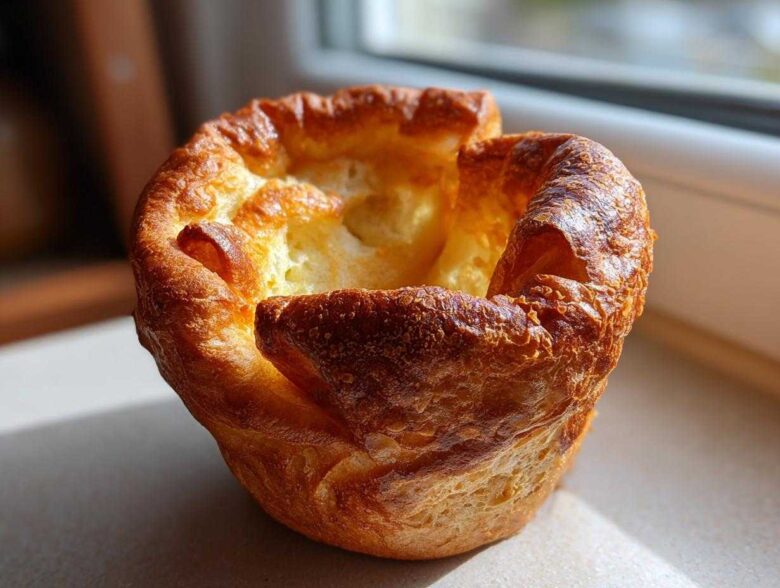
If you’ve ever spent time trying to make a proper Sunday roast only to be met with sad, flat, greasy little puddings, I hear you! It’s the absolute worst when your efforts result in a pancake instead of a towering cloud. That’s why Ethan and I are so excited to share this Perfect Foolproof yorkshire pudding recipe with you. It blends my organized research with Ethan’s innate instincts to ensure you get that amazing rise every single time. Forget disappointment; get ready for that crispy, fluffy glory that defines a true Traditional British Side Dish! You can read more about how we find our kitchen rhythm on our About Us page.
Why You Need This Foolproof yorkshire pudding Recipe
We’ve all been there: staring sadly into the oven, waiting for those majestic pops that just never arrive. This isn’t another recipe that relies on luck! We engineered this method to fight back against the dreaded soggy bottom.
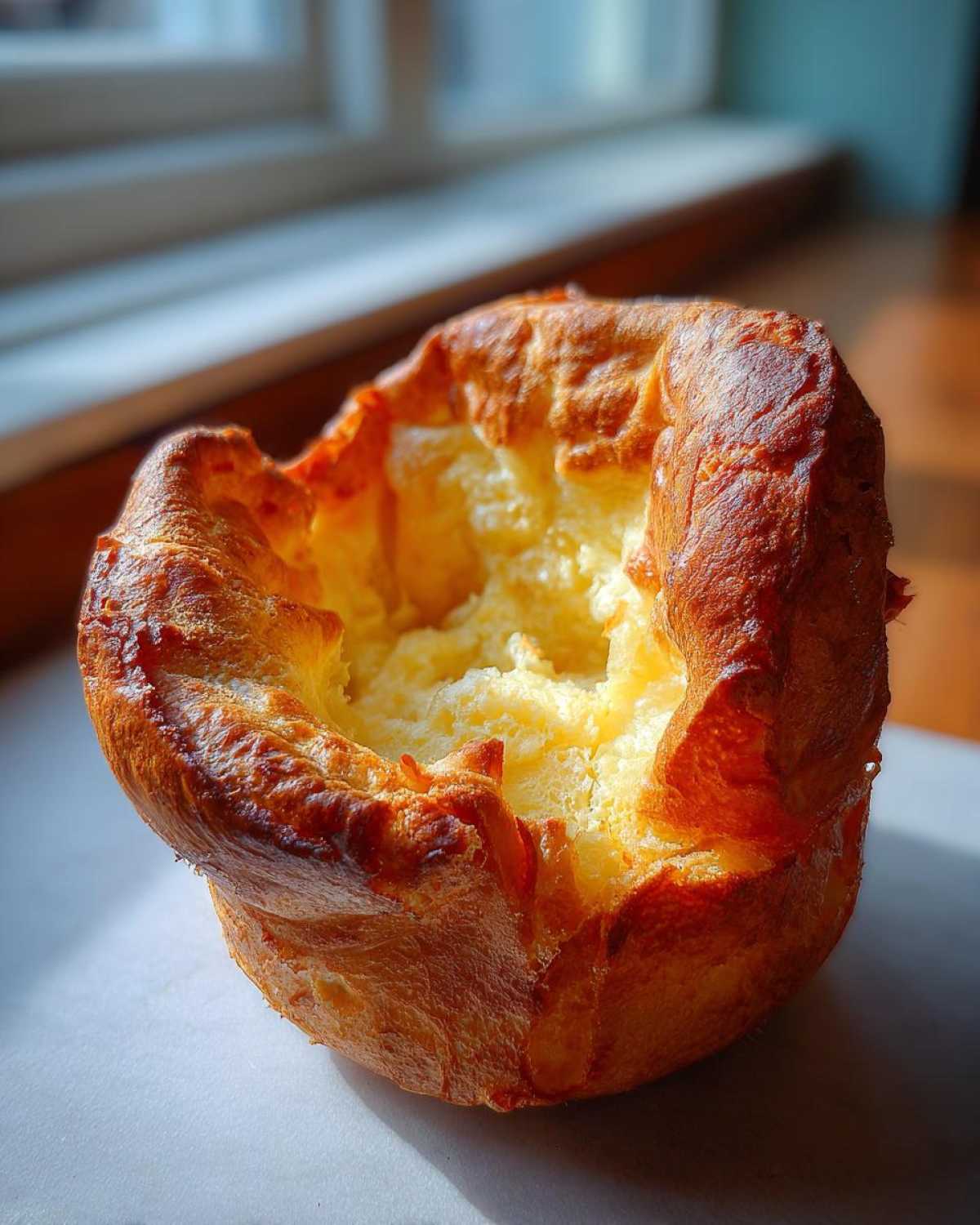
- It guarantees Fluffy Yorkshire Puddings that stand tall.
- We focus on super-hot fat for that shatteringly Crispy Yorkshire Puddings exterior.
- Stop wasting ingredients! This batter is reliable, whether you’re serving it with our slow-cooked beef or on its own.
Ingredients for the Best yorkshire pudding
The secret to great Yorkshire puddings, Maya and I agree, is keeping the ingredient list short and sweet. We aren’t messing around with fancy flours here; simple pantry staples are all you need to nail this! We use four main components, plus the fat for cooking. If you want that truly classic, deep flavor, Ethan insists on using beef dripping instead of plain oil.
Ingredient Notes and Substitutions
For the best rise and texture, please use whole milk—none of that skim business! We’ve tested it, and the fat content really helps with the structure. You’ll need bog-standard all-purpose flour, too. The beauty of this Yorkshire Pudding Recipe is that because the ingredients are so simple, it’s actually quite cost-effective, which is great when cooking for a big Sunday dinner crowd.
How to Make yorkshire pudding: The Hot Fat Secret
Okay, here’s where half the battle is won—and where I sometimes gently butt heads with Ethan! My research says precision is everything, while he smells the air and just *knows* when the batter is right. The good news? We finally made a batter that works perfectly for both of us. This is the secret to an incredibly Easy Yorkshire Pudding Batter that actually provides the fluffiest results you’re looking for.
Preparing the Easy Yorkshire Pudding Batter
We start by whisking the dry stuff—flour and salt—in a big bowl, making that little volcano in the middle for the eggs. Whisk those yolks in first, and then, this is important, add the milk slowly, bit by bit. You have to keep whisking consistently until it looks like regular cream, maybe a tiny bit thinner. If you see a couple of tiny lumps? Don’t panic! Ethan always says those are just ‘flavor pockets,’ but I insist we whisk until it’s mostly smooth. Once it’s combined, cover it up and let it sit in the fridge. Seriously, at least 30 minutes. Resting the batter makes those beautiful lofty heights possible!
Crucial Step: Heating the Fat for yorkshire pudding
This is the moment of truth, the part you cannot shortcut! You need your oven screaming hot—we’re talking 450°F (230°C). Put your oil or dripping into your muffin tin and let it heat up in that hot oven for a good 10 to 15 minutes. How hot? It has to be *smoking*. I mean literally spitting little wisps of smoke when you pull the pan out. Why? Because when that cold, rested batter hits smoking-hot fat, it creates instant steam, and that steam forces your pudding to pop right up! If the fat isn’t hot enough, the batter just soaks it up, and you end up with savory pancakes. You can check out my deep dive into the science behind this incredible steam power over here!
Baking Your Golden Brown Puddings
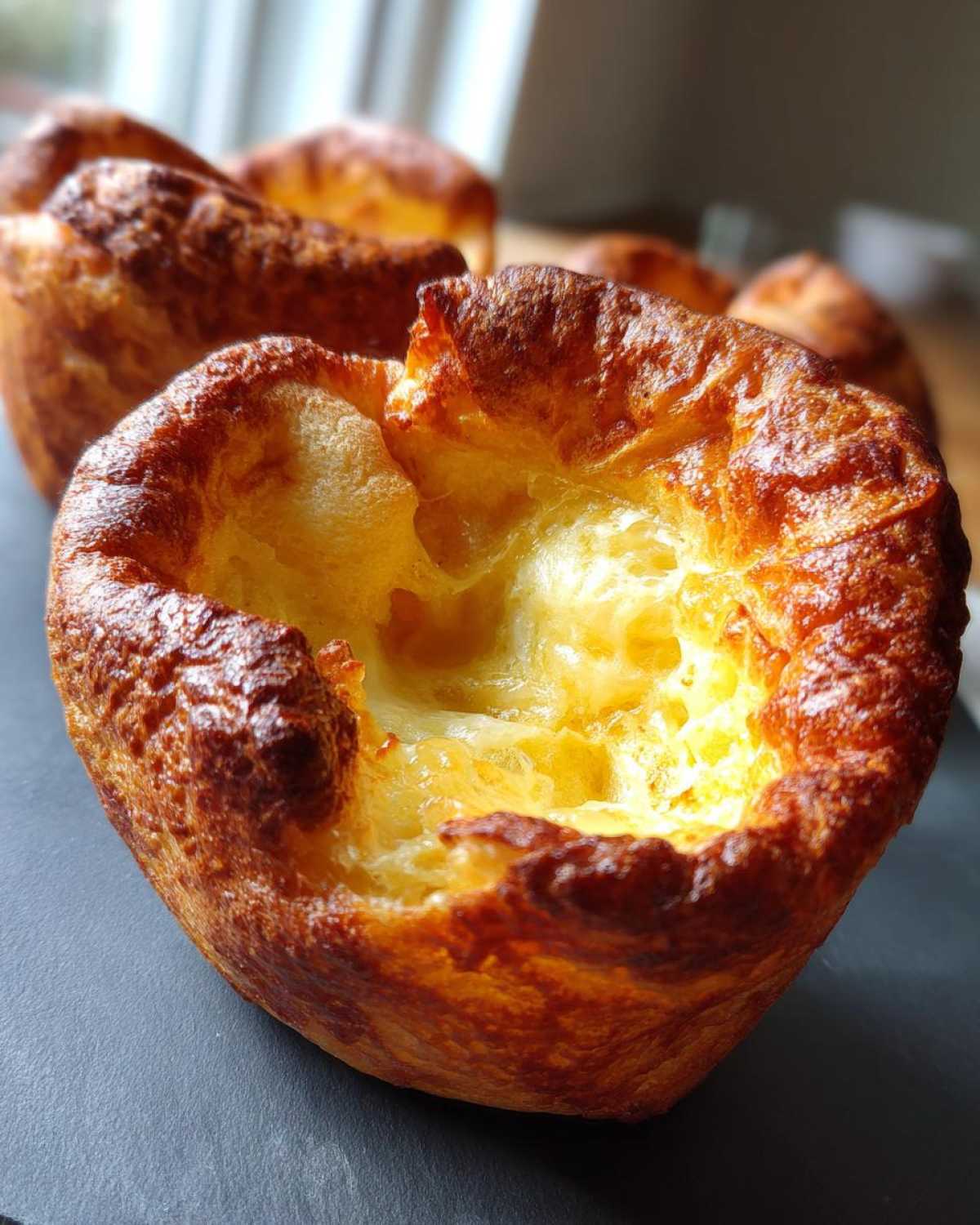
Right, your fat is sizzling hot, and your batter is cold. This contrast is everything! Take the tin out quickly, pour the batter in fast—filling each hole only about one-third full—and get it straight back into that blazing hot oven. Don’t hover! Seriously, don’t even peek for the first 15 minutes. If you open that door early, the change in temperature will cause everything to sigh and collapse right before your eyes. After 20 minutes, you can peek at those gorgeous, puffy clouds!
Tips and Tricks for yorkshire pudding Success
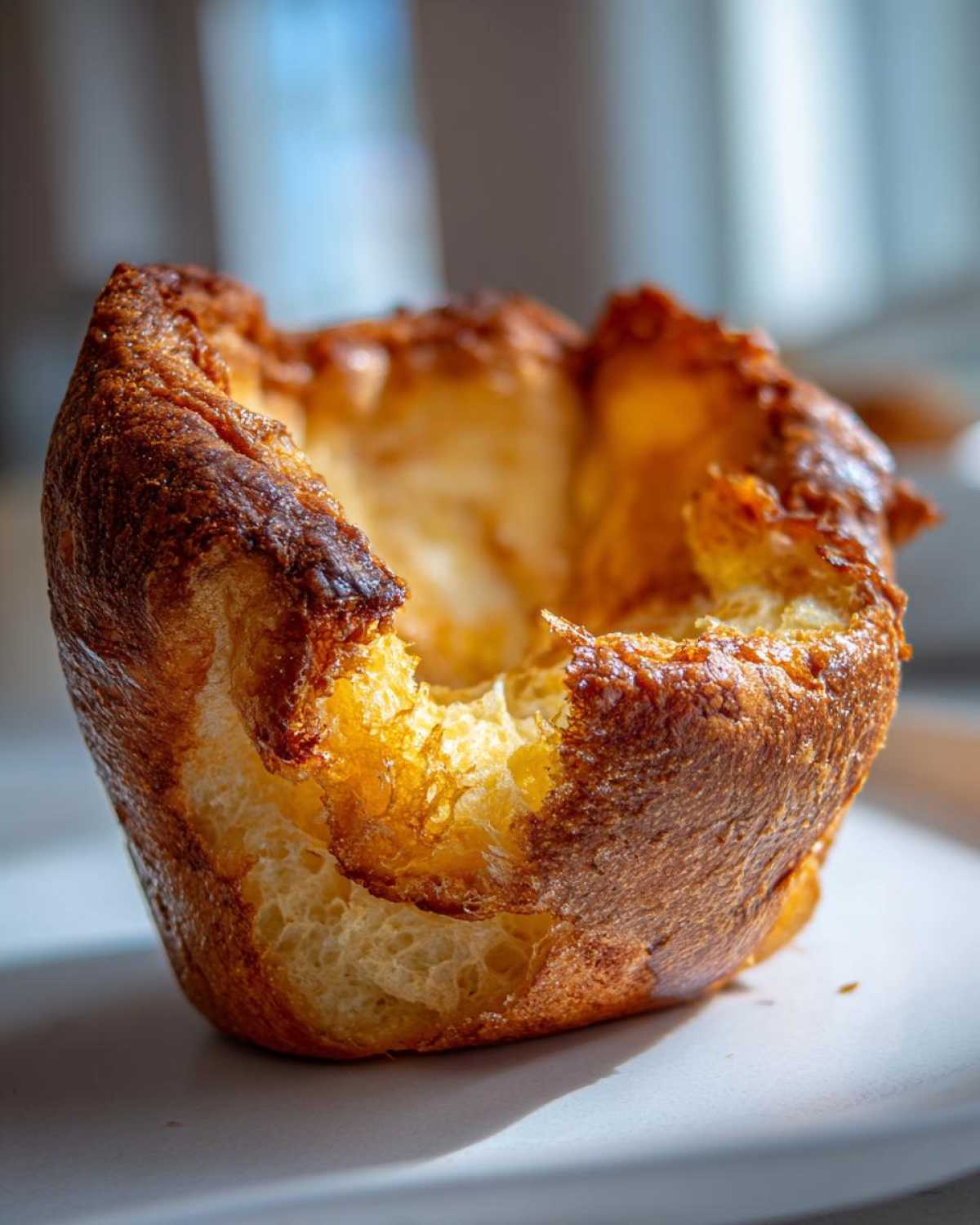
Even with our perfect recipe, sometimes you just need a little nudge to get that ultimate rise. Ethan’s family always swore by beef dripping because it has a super high smoke point, which helps us wick up that heat for the maximum puff! That connection to the past really matters when we’re talking about a Traditional British Side Dish like this. You can find more of our general kitchen experiments and ideas over on the Tasty Tipster blog.
Addressing the Rise: Why yorkshire pudding Fails
Listen, if your puddings are flat, it always comes down to two things, Maya confirmed it in her research! First: Was your batter cold? It absolutely has to be chilled if you want that temperature shock. Second, and this is a big one: Was your fat smoking hot? If you’re nervous, let the tin sit in the oven 15 minutes instead of 10, but you must see smoke before you pour that batter in. Trust us, the science of that steam explosion is what pushes those glorious edges up!
Serving Suggestions for this Traditional British Side Dish
Honestly, what is a Sunday roast without these beauties? They are the perfect vessel for soaking up every last drop of glorious gravy. Of course, they shine next to a perfectly cooked roast beef, but they aren’t fussy! We love piling mashed potatoes and roasted root vegetables right into the hollow center of a warm Yorkshire pudding.
If you are making a beef stew instead of a roast, these are still the perfect accompaniment! Seriously, you need to try them with Ethan’s easy crockpot beef stew—it’s almost criminal how good they are together. They are the ultimate comfort dish!
Variations: Individual Yorkshire Puddings and Dietary Swaps
The recipe we shared above is designed for a standard 12-cup muffin tin, which gives you perfect Individual Yorkshire Puddings—the easiest way to ensure everyone gets a wonderfully puffy portion. They bake up consistently every time this way. If you were trying to make one giant pudding in a square tin, it gets significantly trickier to keep that height and crispness, so I stick to the individual ones!
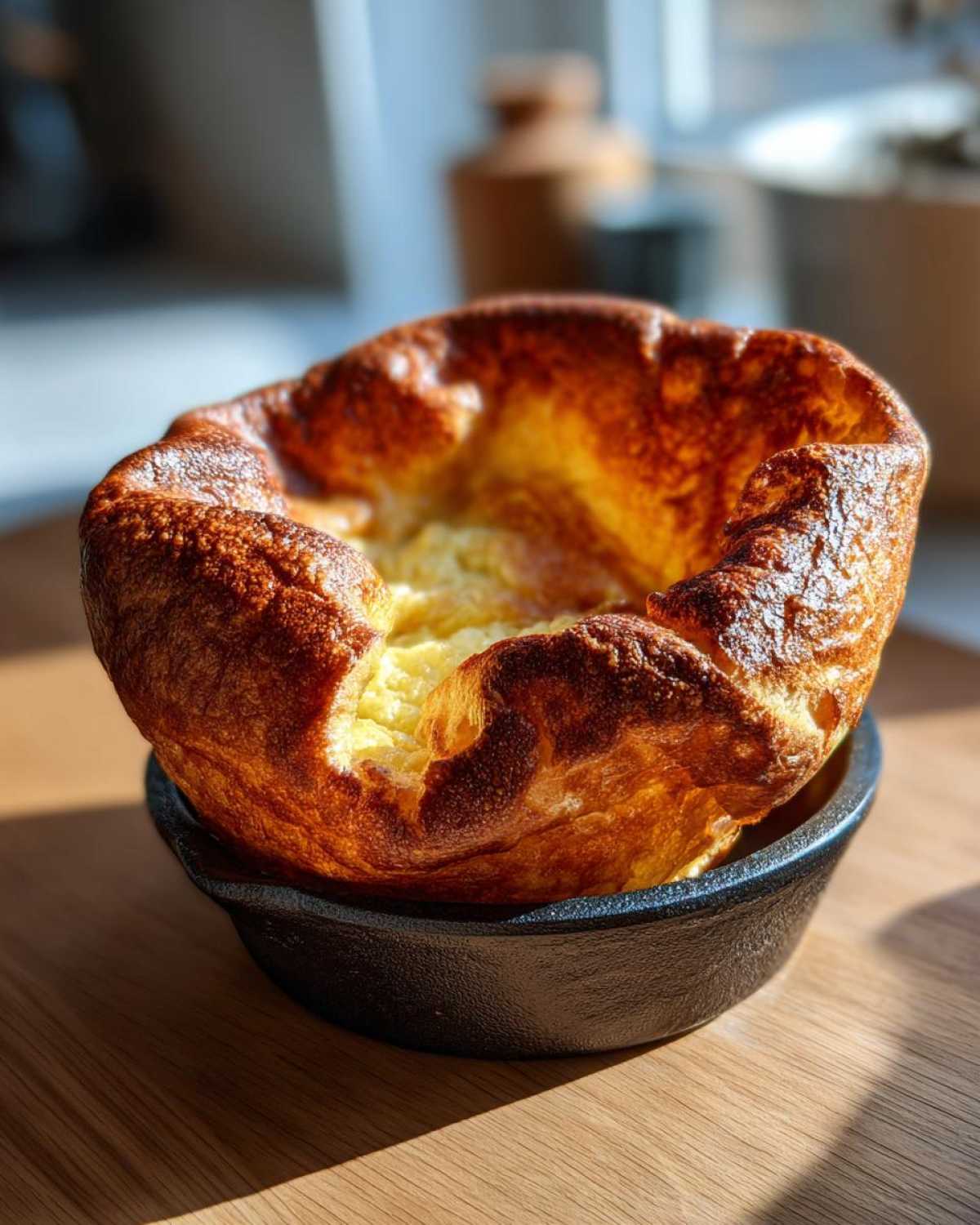
Now, I know many of you look for recipe swaps because of dietary needs. This particular recipe definitely uses standard wheat flour, so it’s not a Gluten Free Yorkshire Pudding right out of the gate. However, Maya and I have seen some really fantastic results when people adapt with quality GF blends. If you’re exploring that route, you might need to adjust your resting time or perhaps add a tiny splash more milk, as GF flours absorb liquid differently. You can check out a dedicated recipe if you need that swap, like the one we found here.
Another variation that works really well is scaling up for massive puddings if you’re making a big roast—but remember the rule applies: the bigger the pudding, the longer it takes for the heat to penetrate, so keep an eye on them! If you’re not a fan of the sheer volume of gravy they hold, but love the texture, you could try filling them halfway, just like we sometimes do when serving them alongside a big bowl of creamy chicken salad!
Storing and Reheating your yorkshire pudding
If you’re lucky enough to have leftovers—which rarely happens in my house!—you need to treat them right to bring back that magical crispness. Don’t even think about the microwave; it turns them instantly soft and sad.
Store leftover puddings in an airtight container at room temperature for up to a day, or in the fridge for two days maximum. To reheat, you absolutely must use a hot oven, about 400°F (200°C), for about five to seven minutes. This blast of dry heat crisps up the outside again perfectly while warming the inside. They’re best eaten the day they are made, naturally, but the oven trick gets them close!
Frequently Asked Questions About yorkshire pudding
We get asked these questions all the time, especially when people are trying to master How to Make Yorkshire Puddings without them collapsing. Getting the technique right takes a couple of tries, but once you nail the temperature dynamic, you’ll never look back. Here are the answers to the most common queries we receive!
Can I use cold batter for yorkshire pudding?
You absolutely should! Having cold batter hitting screaming-hot fat is precisely what creates that initial massive puff we all chase. Cold batter is your friend, but remember, the fat has to be smoking hot on the stove before it even goes into the oven. That temperature clash is pure cooking magic!
Is beef dripping necessary for the Best yorkshire pudding?
Ethan would shout a big ‘YES!’ from the other room, but I’ll be balanced! Beef dripping gives you the most traditional, deep, savory flavor, and it has a fantastic smoke point. However, if you’re making these vegetarian or just don’t have dripping handy, a neutral vegetable oil (like canola or sunflower) works just fine if you get it hot enough. Don’t let a lack of dripping stop you from enjoying these!
What is the secret to tall, Puffy Popovers?
It truly boils down to two non-negotiable secrets that we prove in the main instructions: You must let your batter rest—the longer the better, really—and you must put that batter into oil that is so hot it’s actively smoking. If you skip the resting or the heat, you get sad, flat puddings. That’s the deal for making them tall every single time. Keep those two things in mind, and you’ll be serving these alongside your next chicken dish in no time!
PrintThe Perfect Foolproof Yorkshire Pudding: Crispy Outside, Fluffy Inside

Learn how to make classic British Yorkshire puddings that are tall, golden, and perfectly crisp on the outside while remaining light and airy inside. This recipe is simple and reliable for your Sunday roast.
- Prep Time: 10 min
- Cook Time: 25 min
- Total Time: 35 min
- Yield: 12 small puddings
- Category: Side Dish
- Method: Baking
- Cuisine: British
- Diet: Vegetarian
Ingredients
- 4 large eggs
- 1 cup all-purpose flour
- 1 cup whole milk
- 1/2 teaspoon salt
- Vegetable oil or beef dripping, for cooking
Instructions
- Combine the flour and salt in a large bowl. Make a well in the center.
- Crack the eggs into the well. Begin whisking the eggs, gradually incorporating the flour from the sides.
- Slowly pour in the milk while continuously whisking until you have a smooth, thin batter, similar in consistency to heavy cream. Do not overmix; a few small lumps are acceptable.
- Cover the bowl and let the batter rest in the refrigerator for at least 30 minutes, or up to several hours. Resting the batter helps achieve a better rise.
- Preheat your oven to 450°F (230°C). Place a 12-hole muffin tin (or a roasting tin for larger puddings) into the oven. Add about 1/2 inch of oil or beef dripping to each cup. Heat the oil until it is smoking hot, about 10 to 15 minutes. This step is crucial for a good rise.
- Carefully remove the hot tin from the oven. Quickly and evenly divide the batter among the hot cups, filling each about one-third full. Work fast to keep the oil hot.
- Immediately return the tin to the hot oven. Do not open the oven door for the first 15 minutes of baking.
- Bake for 20 to 25 minutes, or until the puddings are well risen, deep golden brown, and crisp.
- Serve immediately with your roast dinner and gravy.
Notes
- For the best rise, the batter must be cold and the fat must be smoking hot when you pour the batter in.
- If you are making larger puddings in a roasting pan, use beef dripping for the most traditional flavor and crispness.
- If you want individual Yorkshire puddings, use a standard 12-cup muffin tin.
- This recipe uses simple pantry ingredients, making it a cost-effective side dish for your Sunday roast.
Nutrition
- Serving Size: 1 pudding
- Calories: 120
- Sugar: 1
- Sodium: 150
- Fat: 6
- Saturated Fat: 2
- Unsaturated Fat: 4
- Trans Fat: 0
- Carbohydrates: 13
- Fiber: 0
- Protein: 4
- Cholesterol: 65