

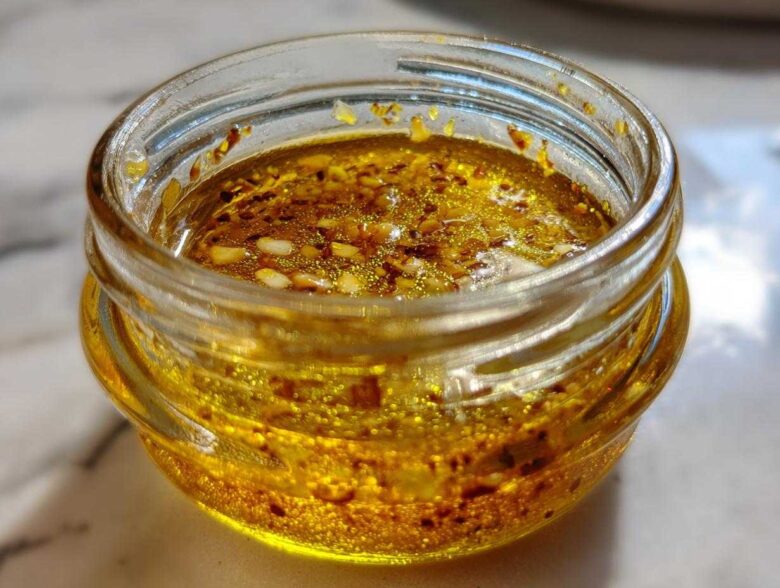
Oh, honey, let’s have a little chat about what’s lurking in your refrigerator door right now. If you’re still buying those giant plastic bottles of pre-made stuff, we need to stop that right now! They are loaded with sugar and stabilizers, and frankly, they taste like sweet sadness. I spent years bouncing between every flavor under the sun, trying to find the right flavor bombs for my greens. Then, I finally cracked the code. This recipe isn’t just *a* recipe; it’s the only versatile, quick, **homemade salad dressing** base you will ever need. Trust me, making this simple vinaigrette base changed everything about how I approach **dressings for salads**. After testing literally dozens of combinations, I landed on this perfect 3-to-1 ratio that stays emulsified and waits patiently for you to use it! For more of my kitchen deep dives and tips, make sure you check out the main kitchen archives right here!
Why This Simple Vinaigrette is the Best Salad Dressing Recipe (5-Minute Prep)
When you’re trying to eat better, the last thing you want to do after a long day is spend thirty minutes whisking ingredients just for Tuesday’s lettuce. That’s why I’m obsessed with this base—it’s truly the easiest **salad dressing** recipe you will ever touch. It’s packed with flavor but keeps ingredients clean, making it wonderfully **healthy salad dressing** material. Forget those highly specific recipes that only work for one type of lettuce! I used to think I needed a whole cupboard dedicated to different **dressings for salads**, but this one foundation does the heavy lifting for everything.
This base is years in the making, adapted from French standards to create something that actually tastes amazing, tastes fresh, and doesn’t use any gums or stabilizers. If you’re prepping your meals ahead, you absolutely need an **easy salad dressing recipe** that you can trust to last a week in the fridge.
Quick Prep Time for Your Salad Dressing
Seriously folks, this takes five minutes, maximum. It’s the ultimate **quick salad dressing**. You dump the ingredients in a jar, shake it up when you need it, and boom—dinner is saved. No messy bowls, no slow pouring of oil while whisking until your arm cramps!
Versatility: More Than Just a Salad Dressing
This isn’t just for sad little bowls of greens, I promise! This simple vinaigrette works magic as a marinade for chicken right before grilling. I often use it to toss my broccoli or sweet potatoes before they head into the oven—it gives them this beautiful little sheen. Keep this recipe handy for making amazing grain bowls, like the ones I do for meal prep; it functions perfectly as a foundational **salad sauce recipes** component for almost any vegetable!
If you’re looking for an amazing way to use this flavor profile in a layered meal, try my Mason Jar Taco Salad—the dressing stays perfectly separated at the bottom!
Gathering Ingredients for Your Homemade Salad Dressing
Okay, so you know this is the **best salad dressing** you’ll ever make at home, right? That means we can’t skimp on the core players! Since this is such a basic **simple vinaigrette**, the quality of what you put in really shines through. Don’t try to use that old bottle of oil you found hiding in the back of the pantry—this recipe demands fresh flavor. It’s all about showing off those good tastes, which is why this earns my full seal of trustworthiness right off the bat. We are using just a few things, so make sure they are good quality!
If you want to see how versatile this base is when paired with heartier greens, check out my recipe for the Crunchy Thai Peanut Salad Bowl—it uses this base perfectly!
Essential Components for a **Simple Vinaigrette**
For your foundational **homemade salad dressing**, you are going to need exactly half a cup of seriously good extra virgin olive oil. This is the bulk of the flavor! Next comes the acid—we’ll use a quarter cup of vinegar, and really any kind works, like red wine or even apple cider vinegar. Don’t forget the tiny flavor boosters: one clove of garlic, which you need to finely mince (not roughly chop, trust me!), and half a teaspoon of salt, but make sure it’s a fine grain salt that dissolves easily. Finally, a quarter teaspoon of black pepper finishes our core flavor profile.
Step-by-Step Guide to Making the Perfect Salad Dressing
Now that you’ve got your high-quality components gathered, let’s put this **vinaigrette dressing recipe** together! The beauty of this method means we skip the messy whisking and bowl cleanup. We are going straight for the jar, which is my number one technique for any **homemade salad dressing** because it helps everything combine so beautifully and quickly. Honestly, watching it come together is half the fun!
Mixing the Acid and Flavor Base for Your Salad Dressing
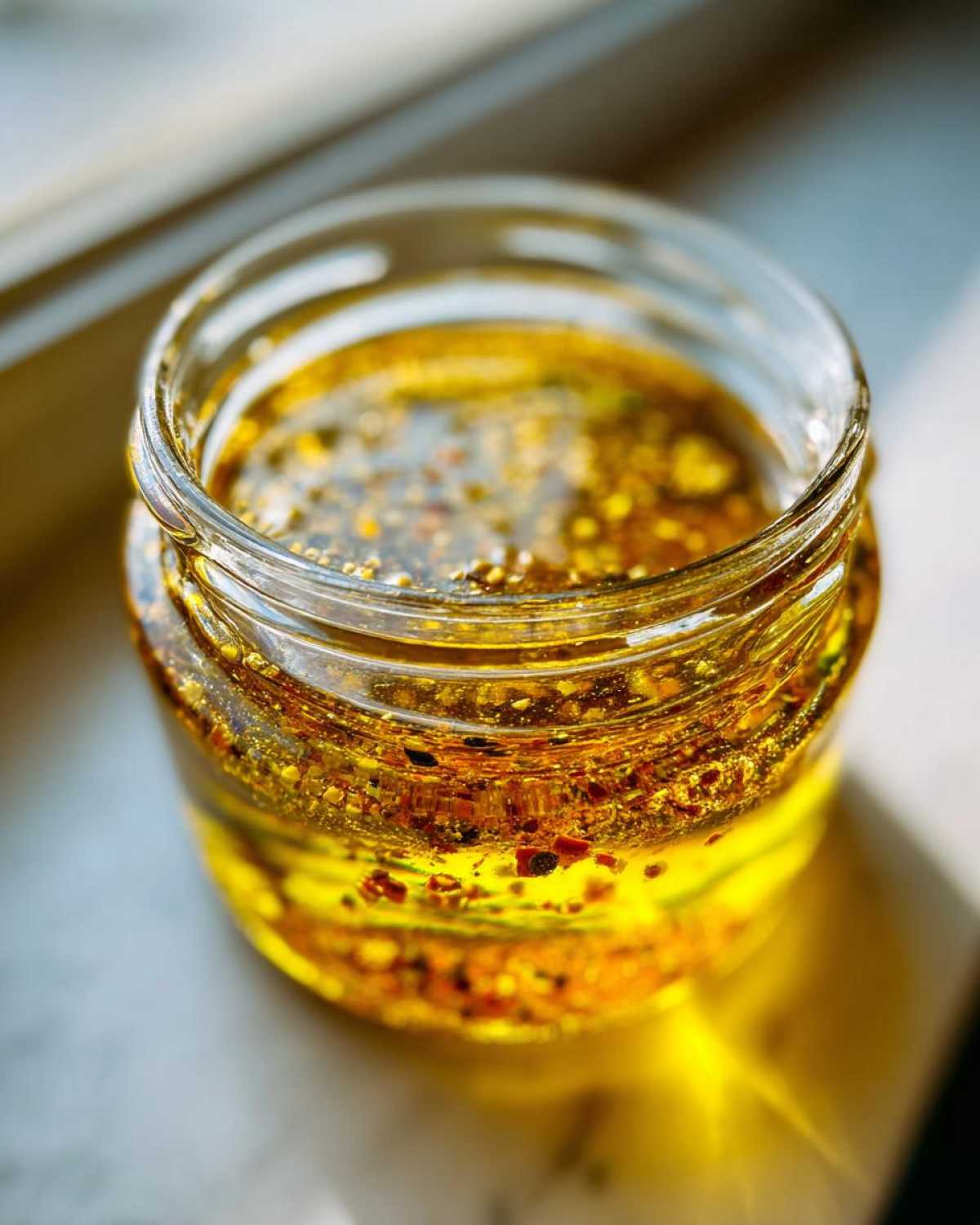
First things first, grab that clean jar. We start by layering our flavor builders right at the bottom. Pour in your chosen vinegar—that’s our acid, remember? Then, quickly add that teaspoon of Dijon mustard (it’s essential for helping things stick together!), your finely minced garlic, your salt, and your pepper. Now, make sure you seal that jar up tight! I mean *really* tight. If you skip this part, you end up with a huge mess when you start shaking, and nobody wants oil sprayed all over their clean kitchen!
Emulsifying the **Easy Salad Dressing Recipe**
Once that flavor base is locked down, it’s time to introduce the star: the olive oil. Pour that half cup right over the top. Secure the lid again, and now comes the action shot! You need to shake this jar like you mean it for a full solid 30 seconds. Don’t just gently tap it; work those arms! What you are looking for is the dressing to change texture. It should look slightly thicker, a little opaque, and beautifully combined—that means it has emulsified. That technique is what elevates this from watery oil-and-vinegar to a legitimate, satisfying **easy salad dressing recipe**.
Before you pour it onto your greens, always give it a quick taste test because salt levels vary everywhere. If you need to adjust your flavor or add a spot of maple syrup for sweetness, do it now and give it one final, quick jiggle. If you’re making this for later, maybe try sealing up some amazing jars right now for future use—you can see my favorite jar recipes, like the Caprese Pasta Salad Jars, for storage inspiration!
Customizing Your Salad Dressing: Flavor Variations
This is where things get really fun, because while you have the perfect base, what’s the point if you can’t make it exactly what you want for the night?
I always keep a batch of the plain stuff on hand, but when I know I’m serving roasted root vegetables or something a little richer, I love kicking this **salad dressing** up a level. Showing off how many different versions you can get from this one recipe totally proves its E-E-A-T status! You don’t need 10 different bottles; you just need this jar and a couple of easy swaps.
Speaking of swaps, if you’re looking for other ways to incorporate those cozy fall flavors into your baking, you have to check out my recipe for Maple Pecan Pie Bars—it uses natural sweetness in the best possible way!
Creating a Lemon Vinaigrette Variation
If you’re going for salads that feel bright, springy, and a little lighter—maybe using fresh butter lettuce or cucumber—you’ll want to pivot away from vinegar entirely and go for pure citrus power. To get that gorgeous, zesty **lemon vinaigrette**, you just swap out the vinegar measurement entirely for fresh lemon juice. That’s it! You get a sharper tang, and it’s fantastic drizzled over fresh fish or shrimp, too. It brightens up anything it touches.
Making a Sweeter Maple Mustard Dressing Style Salad Dressing
If you find the standard recipe a little too sharp for your palate, or maybe you’re dressing a hearty green salad with nuts and cheese, you’ll definitely want to sweeten it up a touch. This is how we lean into that sweet-and-tangy profile that makes something like a **maple mustard dressing** so addictive. Before you shake, just add exactly one teaspoon of maple syrup or a teaspoon of honey right into the jar with the vinegar and spices. Remember, the Dijon mustard is already in there, so you’re amplifying the sweet-savory notes beautifully. This slight addition turns it into a richer, almost caramelized **creamy salad dressing** style, even though it’s still perfectly thin!
Storage and Handling for Your Homemade Salad Dressing
One of the biggest headaches with store-bought stuff is when you need it, and it’s solidified into a block in the back of the fridge. Not with this! This **homemade salad dressing** is excellent for **meal prep dressings** because it lasts beautifully. You can keep this sealed jar in the refrigerator for a full week, no problem at all.
Now, because we are only using real oil and vinegar and zero weird stabilizing chemicals, it’s going to separate. That’s totally normal, and honestly, it’s a good sign—it means you didn’t use any junk! When you pull it out, especially if you’ve had it for a few days, don’t panic when you see the oil floating on top. Just let it sit on the counter for about ten minutes to warm up slightly, and then shake it again like you mean it. That vigorous shake is key to bringing it back to life as a perfect emulsion.
If you’re making a batch for your weekly lunch containers, make sure you give it that vigorous shake right before you toss it with your greens! I love making a big batch on Sunday so I have zero cooking decisions to make during the week. It saves so much time!
If you’re looking for more easy, make-ahead recipe ideas that simplify your week, you absolutely must try my Pumpkin Spice Chia Pudding—it’s perfect for grab-and-go breakfasts!
Frequently Asked Questions About Making Salad Dressing
I always get so many questions when people try this base recipe for the first time! It’s meant to be super adaptable, so naturally, folks wonder about specific ingredient swaps or sticking to different diets. I’ve pulled together the top things people ask about when they start making their own **homemade salad dressing**.
If you’re looking for more insight into my general kitchen philosophy or want to know more about where these tips come from, feel free to check out my About Me page!
Can I make this salad dressing recipe vegan or keto?
Great question, especially since so many grocery store bottled options have hidden dairy or honey! The fantastic news is that the base recipe I provided is naturally 100% **vegan**. We use Dijon mustard, which is safe, and no honey or maple syrup in the main recipe, so you’re good to go there!
If you are trying to keep it strictly **keto**, you just need to watch your acid choice slightly—apple cider vinegar and red wine vinegar are both generally fine. The main thing is to skip any added sweetener (no maple syrup or optional honey) altogether, as that will keep your carbs super low. This makes it a fantastic **keto salad dressing** base!
What is the best vinegar to use for a classic **vinaigrette dressing recipe**?
Oh, this is a fun one because the vinegar choice totally dictates the mood of your final **salad dressing**! For a really classic, balanced flavor that lets the olive oil shine, you can’t beat red wine vinegar. It’s got a nice, fruity tang that most people expect in a standard **vinaigrette dressing recipe**.
If you want something a little sharper and cleaner, white wine vinegar is a good bet, especially if you’re pairing it with delicate greens like arugula. Now, if you want a little earthy depth—like you might see in a homemade **balsamic vinaigrette**—a dash of white wine vinegar mixed with just a teaspoon of good quality balsamic vinegar gives you that rich color without being too overpowering! Experiment with what you have!
Estimated Nutritional Data for This Healthy Salad Dressing
I know some of you are tracking macros or just want to know exactly what you are putting on your greens every day, which is totally sensible! Since we are making this **healthy salad dressing** from scratch, you have 100% control over what goes in, which is half the battle won against store-bought jars.
I ran the numbers on the basic recipe—that’s the one with just olive oil, vinegar, garlic, salt, and pepper, without adding any optional maple syrup or yogurt—so these are conservative estimates. Remember, this data is based on a two-tablespoon serving size, which is usually plenty for a big bowl of salad! If you add creamy elements or sweeteners, you’ll obviously need to adjust your counts. Isn’t it nice knowing you’re only taking in 14 grams of fat and zero cholesterol for that amazing flavor payoff?
If you want to pair this light dressing with an equally satisfying crunchy side, my recipe for Spicy Roasted Chickpeas is absolutely incredible!
Here is the estimated breakdown for two tablespoons of the base **salad dressing**:
- Serving Size: 2 Tablespoons
- Calories: 120
- Total Fat: 14g (with only 2g saturated fat, which is great!)
- Carbohydrates: 0.5g
- Protein: 0.2g
- Sugar: 0.1g
- Sodium: Approximately 150mg
Share Your Favorite Ways to Use This Salad Dressing
That’s it, my friends! We have officially conquered the bottled stuff and created the absolute best **salad dressing** base a home cook could ask for. Now that you have this amazing **simple vinaigrette** in your kitchen arsenal, I need to know what you’re going to do with it!
Please, please, please come back here after you’ve tried it and leave a star rating! Seriously, your feedback helps other folks know that ditching the store-bought jars is totally worth the two seconds of effort. I love hearing your unique twists, too. Did you use Sherry vinegar instead of red wine? Did you try a ridiculously expensive olive oil just for fun? Let me know the exact oil-to-vinegar ratio you loved most in the comments below!
If you’re snapping photos of your gorgeous, perfectly coated greens or your roasted veggies glistening with this goodness, tag me on social media! It genuinely makes my day to see my recipes in action. It’s so rewarding knowing I’ve inspired someone to keep making their own **homemade salad dressing** week after week instead of reaching for that sad, sugary alternative.
If you ever have questions about adjusting the salt, or if you need help troubleshooting something else in the kitchen, don’t hesitate to reach out directly over on the contact page. Happy dressing, and go toss those greens!
PrintThe Only Salad Dressing Recipe You Need: Simple Vinaigrette Base
Make this versatile, healthy vinaigrette base in under five minutes. Use it for salads, grain bowls, or roasted vegetables.
- Prep Time: 5 min
- Cook Time: 0 min
- Total Time: 5 min
- Yield: About 3/4 cup
- Category: Dressing
- Method: Shaking/Mixing
- Cuisine: American
- Diet: Vegan
Ingredients
- 1/2 cup extra virgin olive oil
- 1/4 cup vinegar (red wine, white wine, or apple cider)
- 1 teaspoon Dijon mustard
- 1 clove garlic, minced
- 1/2 teaspoon salt
- 1/4 teaspoon black pepper
Instructions
- Combine the vinegar, Dijon mustard, minced garlic, salt, and pepper in a small jar with a tight-fitting lid.
- Pour the olive oil into the jar.
- Secure the lid tightly.
- Shake the jar vigorously for 30 seconds until the dressing emulsifies and thickens slightly.
- Taste the dressing and adjust salt, pepper, or vinegar as needed for your preference.
- Use immediately or store in the refrigerator for up to one week.
Notes
- For a sweeter dressing, add 1 teaspoon of maple syrup or honey.
- To make a creamy dressing, add 1 tablespoon of tahini or plain Greek yogurt before shaking.
- For a lemon vinaigrette, substitute the vinegar with 1/4 cup fresh lemon juice.
- If the dressing separates during storage, let it sit at room temperature for 10 minutes and shake again before serving.
Nutrition
- Serving Size: 2 Tablespoons
- Calories: 120
- Sugar: 0.1
- Sodium: 150
- Fat: 14
- Saturated Fat: 2
- Unsaturated Fat: 12
- Trans Fat: 0
- Carbohydrates: 0.5
- Fiber: 0.1
- Protein: 0.2
- Cholesterol: 0