

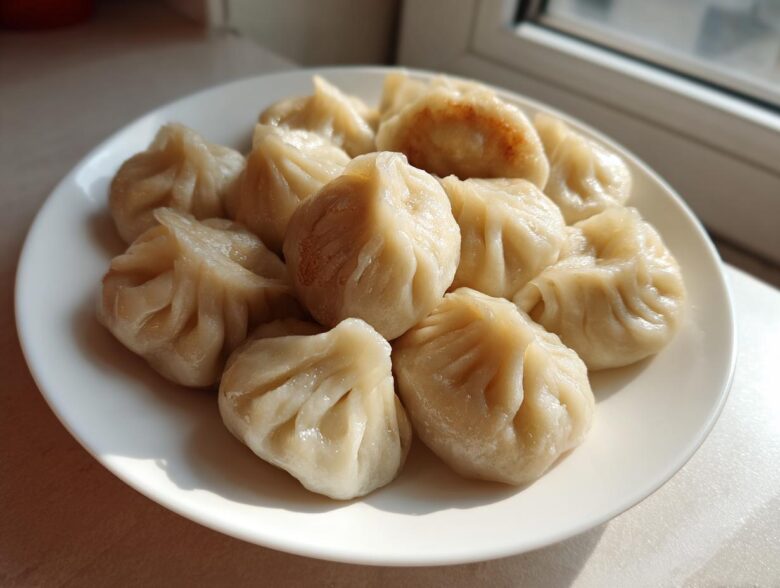
There is just nothing that beats the feeling of making food entirely from scratch, right? When Ethan and I first started cooking together, making Traditional Chinese Dumplings felt impossible—it was all stiff dough and sad, mushy fillings! But believe me now, after years of testing and sharing our kitchen secrets, we’ve nailed it. This isn’t just some recipe; this is the comprehensive guide to making perfect authentic jiaozi, from building that wonderfully simple dough for homemade dumpling wrappers to getting that savory pork cabbage dumplings filling just right. You can read a little more about how we started our journey over at our story. This recipe helped us find our rhythm, blending my methodical testing with Ethan’s family intuition. Trust me, these are worth the effort, and we think you’re going to love them!
Why This Traditional Chinese Dumplings Recipe Works for Everyone
I know what you’re thinking: Making dumplings from scratch sounds like it takes forever! That’s what I thought until we timed it. This recipe is built to succeed, whether you’re pulling out all the stops for a big celebration or just feeding the family mid-week. It’s amazing how quickly these come together once you get into the rhythm.
- Perfect for lunar new year dumplings feasts or quick, satisfying weeknight dinners.
- It’s incredibly freezer friendly dumplings—make a huge batch and thank yourself later!
- The resulting pork cabbage dumplings are flavorful, juicy, and never watery.
Perfect for Lunar New Year and Weeknights
We love making massive piles of these for the Lunar New Year, but honestly? I’ve started making half batches just because Ethan craves them on a Tuesday. The prep might take a little time, but the sheer joy of eating something so completely authentic makes it a win every time. Plus, if you have leftovers ready to go in the freezer, weeknights become heavenly!
The Secret to Non-Soggy Pork Cabbage Dumplings
This is where Maya’s research meets Ethan’s instinct. If you skip step two—salting and squeezing that cabbage—your filling will weep into your pot, and that’s a tragedy we can’t allow. Squeezing out that excess water is non-negotiable for firm, perfectly textured pork cabbage dumplings. Do it, even if your hands get a little salty!
Gathering Ingredients for Traditional Chinese Dumplings
Okay, let’s get our mise en place ready! Making Traditional Chinese Dumplings from scratch feels fancy, but honestly, the ingredient list is super straightforward. We’re keeping things classic here, focusing on fresh pork and cabbage because that combination just sings. Just make sure you measure everything out; I love having my research notes ready when Ethan starts throwing pinches around! Remember, accurate measurements upfront mean you don’t have to fix anything later.
For the Homemade Dumpling Wrappers Dough
This is the easiest part, I promise. It’s just flour and water doing their magic thing. Don’t overthink it; just get your ingredients together so the dough can rest peacefully when it’s done.
- 2 cups all-purpose flour
- 3/4 cup warm water (plus maybe a tiny splash more if your dough is shy)
For the Savory Filling
This filling is where all the flavor lives. That sweet and savory balance is everything here. And hey, here’s Ethan’s little ancestral secret for you—a tiny pinch of cinnamon in the meat really wakes up the pork flavor. I was skeptical, but trust the process! It’s one of the best tips we ever got from his dad.
- 1 pound ground pork
- 1 pound Napa cabbage, finely chopped
- 1/4 cup chopped scallions
- 2 tablespoons soy sauce
- 1 tablespoon Shaoxing rice wine
- 1 tablespoon sesame oil
- 1 teaspoon salt
- 1/2 teaspoon white pepper
- 1/2 teaspoon sugar
- 1 teaspoon grated fresh ginger
- A tiny, tiny pinch of cinnamon (Ethan’s secret weapon!)
Step-by-Step Guide to Making Traditional Chinese Dumplings
This is where the magic happens, and where my planning really comes in handy! Having everything measured means you can focus on the technique. When we first made these Traditional Chinese Dumplings, Ethan stressed the importance of patience in the details, and that’s totally true, especially when handling the dough. Take your time, enjoy the process, and remember that every pleat is a little bit of love going into your meal.
Mixing and Resting the Dough for Homemade Dumpling Wrappers
Start by bringing that flour and water together—it’ll look unruly at first, trust me, that’s normal! Once it comes together into a shaggy mass, turn it out onto your counter. Kneading is a workout, but it’s crucial for those elastic homemade dumpling wrappers, so commit to about 8 to 10 minutes until it feels smooth under your palms. When you’re done, wrap that ball tightly in plastic wrap. It needs at least 30 minutes, maybe even an hour, to rest. That rest time relaxes the gluten so it rolls out beautifully later. Don’t skip it!
Creating the Perfect Pork Cabbage Dumplings Filling
Before mixing anything else, you *must* deal with the cabbage. We salt it and let it sit for ten minutes, and then you need to squeeze—really squeeze! I mean wring it out like a sponge to get rid of all that liquid. Watery cabbage means soggy dumplings, and we simply won’t stand for that! Once it’s nicely drained, toss the pork, cabbage, scallions, and all those seasonings together. Mix it hard, always in the same direction, until the whole filling gets sticky and just holds its shape when you scoop it. If you want the best flavor, you can check out some general cooking theories on the blog here: this page has great foundational info.
Rolling and Pleating Your Authentic Jiaozi
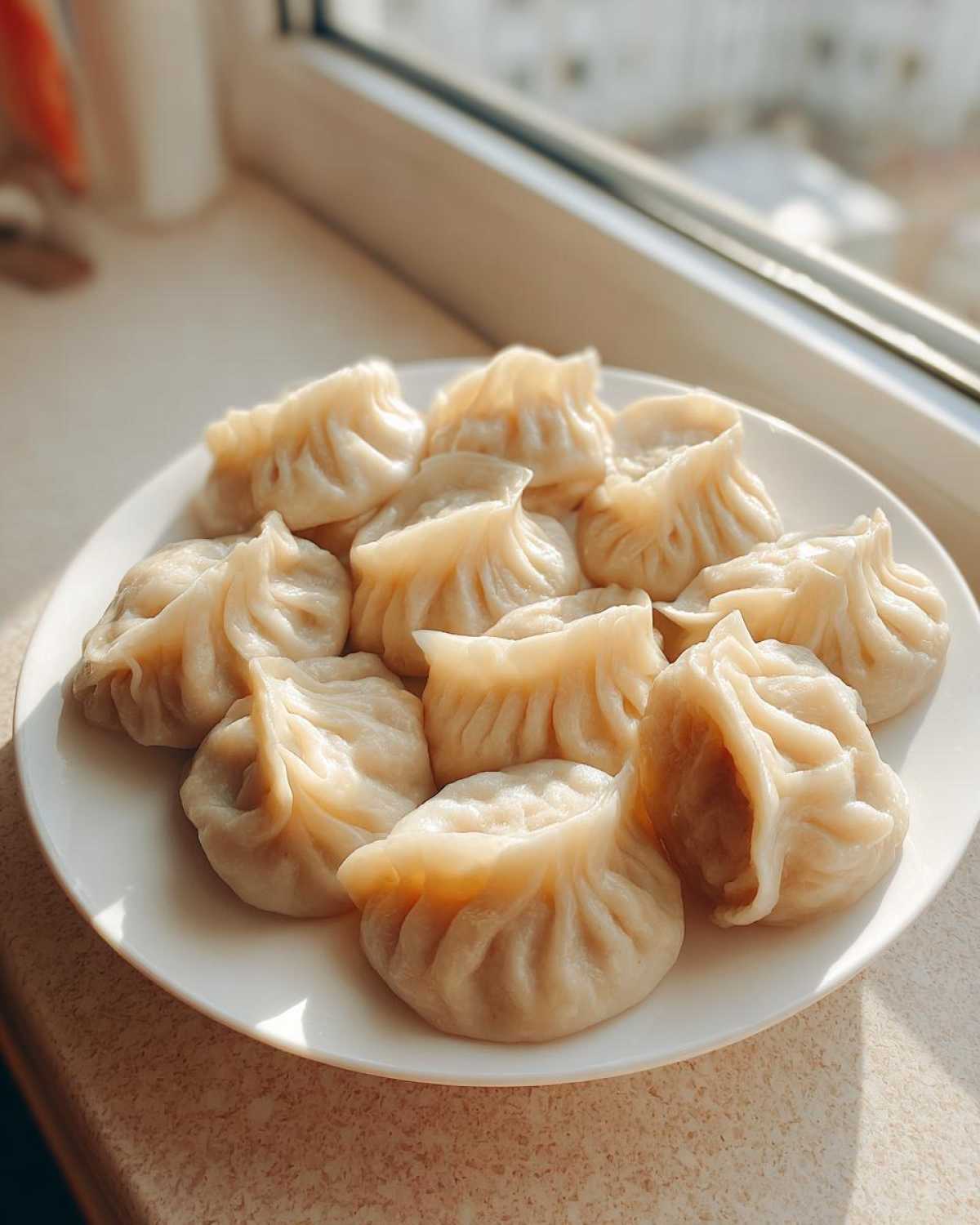
Once the dough rests, roll it into those ropes and cut your little pieces. Now for the wrapper part: The key to sealing is rolling the edges thinner than the center so you get good overlap for crimping. Think of the center as the little pillow holding the filling, and the edges as the strong seal. Place just a tablespoon of filling in the middle. Moisten the edges with a tiny bit of water—just a dab, not a wash—then fold it over into a half-moon. Crimp that seal tight! I like to do small, neat pleats along one side, pushing the dough together as I go. This seals your authentic jiaozi so the filling stays put when they hit the water.
Cooking Your Boiled Chinese Dumplings Perfectly
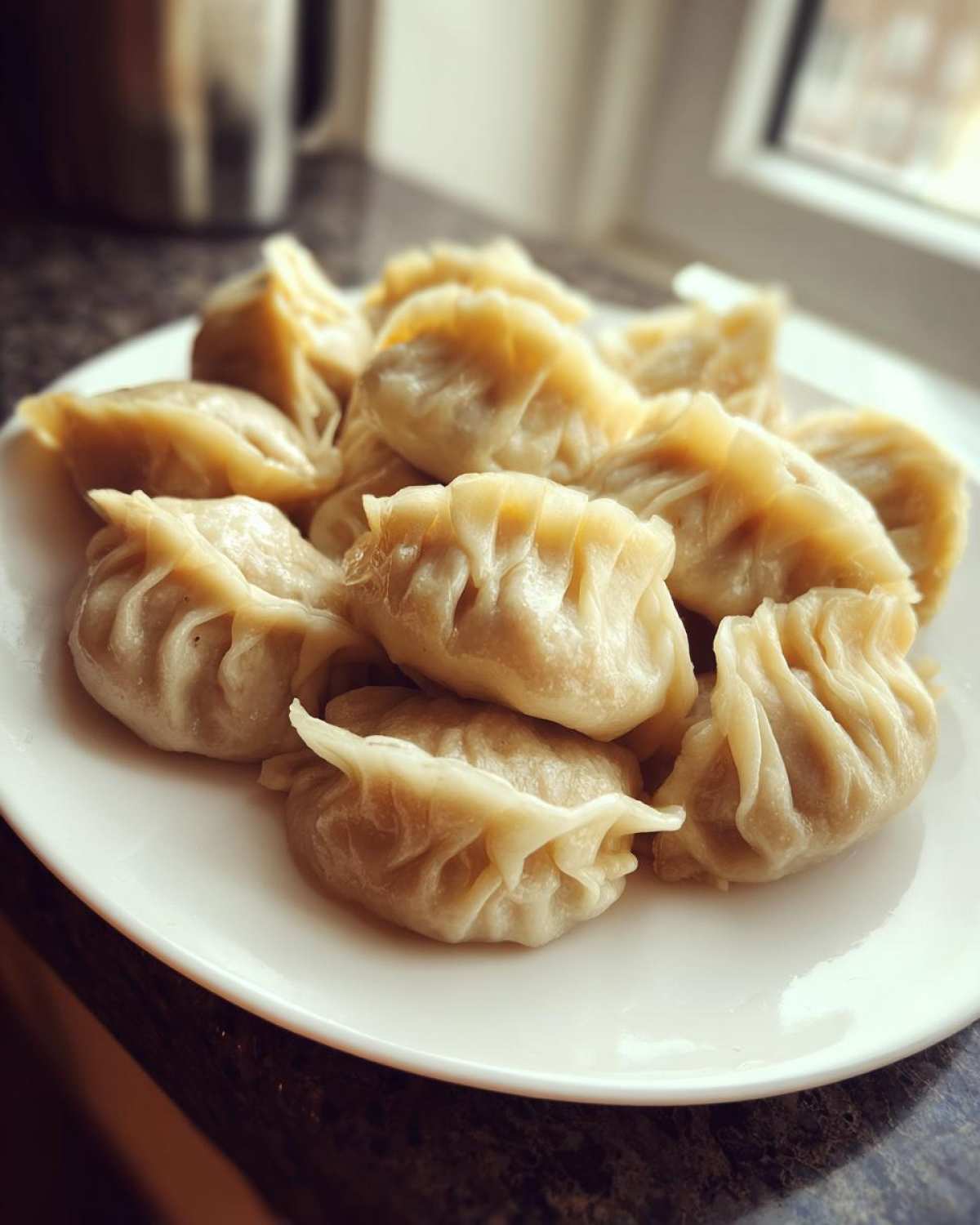
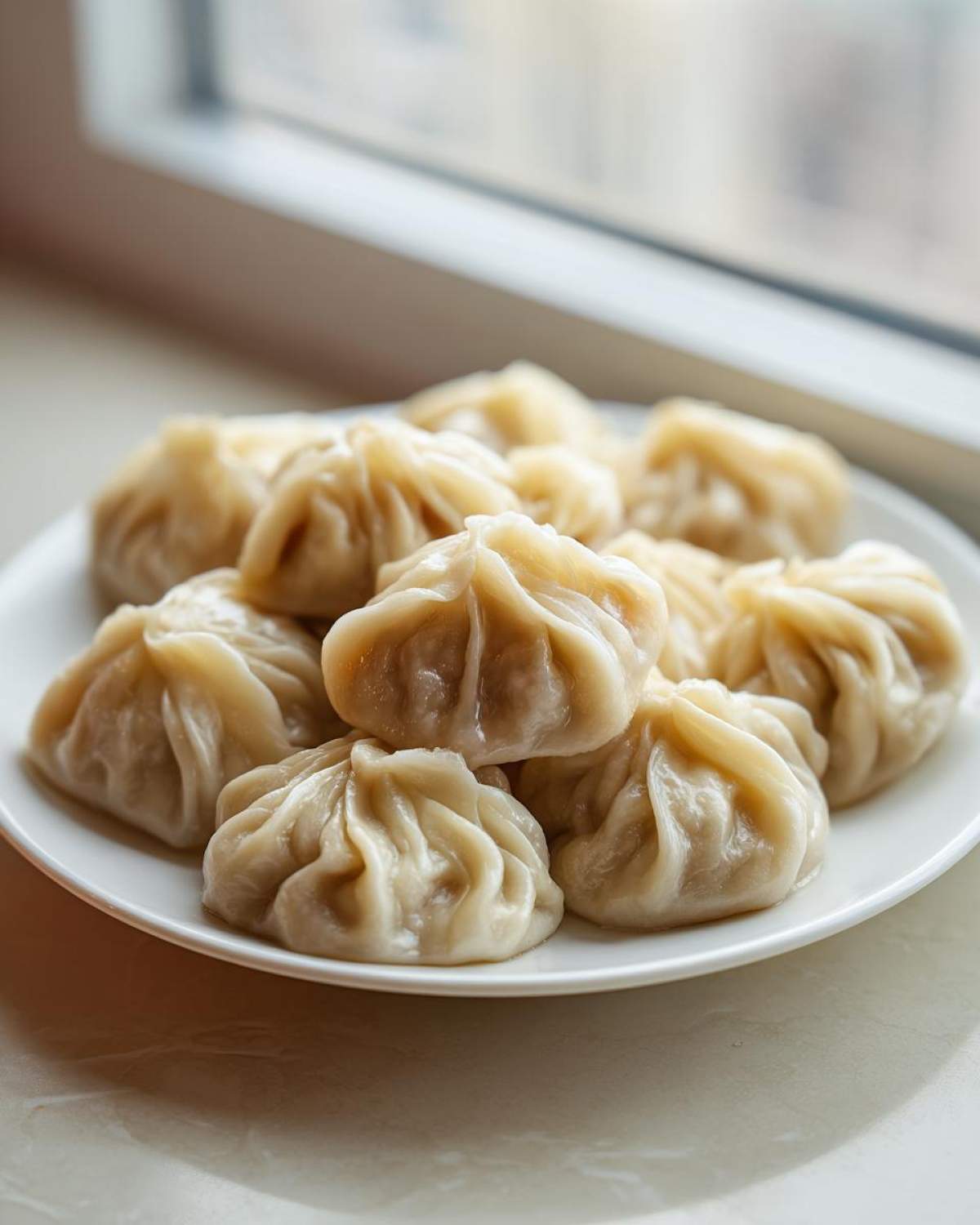
Now we finally get to the moment of truth! Since these are Traditional Chinese Dumplings, the classic method is boiling. It brings out the moisture and keeps the wrapper beautifully tender. You’ll need a big pot of water brought up to a rolling boil—don’t crowd the pot, or the temperature will drop too fast! Gently drop your lovely, sealed dumplings in, making sure they aren’t sticking to each other. They cook fast, usually taking about 5 to 7 minutes.
The best indicator that they are done is that they float right to the top. Once they float, give them another minute or so just to ensure that pork filling in the center is cooked perfectly through. I actually love watching them bob around happily!
If you want to see how we handle dumplings in a completely different, fluffier recipe, check out our take on chicken and dumplings for something totally different: fluffy homemade versions.
Alternative Cooking Method: Pan-Frying
If you’re craving potstickers—and who isn’t sometimes?—it’s super easy to adapt this recipe! The technique is what Ethan calls the “steam, sear, and finish.” You boil them first until they float, just like we did above. Then, pull them out, get a tiny bit of oil hot in a skillet, and sear the bottoms until they’re that glorious golden brown color. It gives you a fantastic textural contrast to the juicy filling!
Making These Traditional Chinese Dumplings Freezer Friendly Dumplings
Listen, this is truly the greatest secret to enjoying Traditional Chinese Dumplings without having to spend an entire afternoon folding every single week. Making these freezer friendly dumplings means you get that incredible homemade flavor whenever the craving hits! Ethan and I always make double batches for this exact reason. You have to freeze them correctly, though, or you end up with one giant block of frozen dough!
The trick is the flash freeze. Lay all your freshly pleated dumplings out on a baking sheet lined completely with parchment paper. Make sure none of them are touching—give them breathing room! Pop that tray into the coldest part of your freezer until they are rock solid, usually about an hour or two. Once they’re hard as stones, you can just transfer them into a heavy-duty freezer bag. We always label the bag with the date and the filling. If you need convenience food down the road, this technique is a lifesaver. Here are some other great make-ahead meals we rely on: check out these breakfast sandwiches if you need more freezer wins!
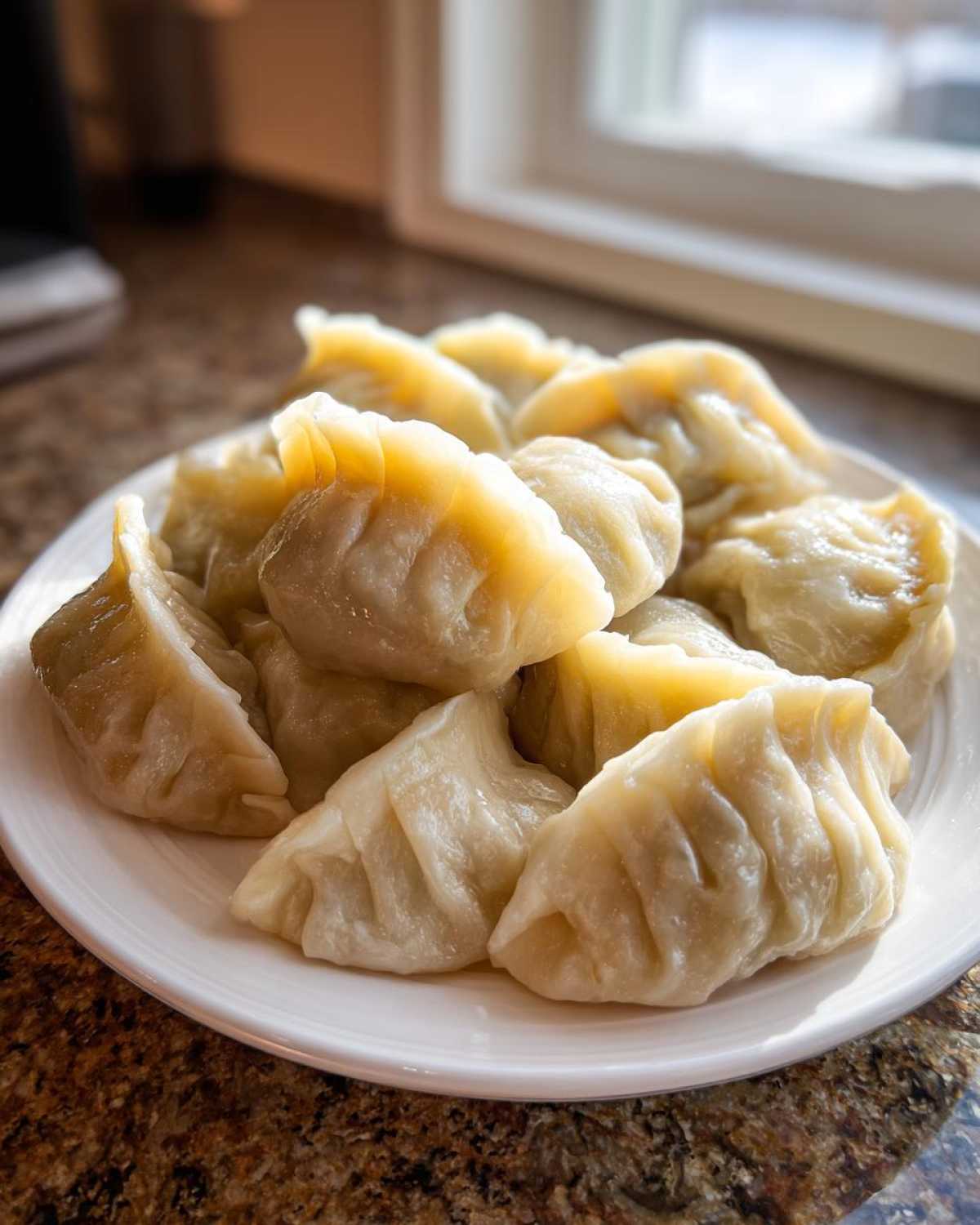
When you cook them straight from the freezer—no need to thaw, EVER—just add about 2 to 3 extra minutes to the boiling time to ensure that pork filling gets hot all the way through. Easy peasy satisfaction for a busy day!
Expert Tips for Perfect Traditional Chinese Dumplings
Okay, we’ve made the dough, we’ve mixed the filling, and we’ve folded them beautifully. Now, let’s talk about those tiny, make-or-break details that take your Traditional Chinese Dumplings from ‘homemade’ to ‘absolutely authentic jiaozi’ status. These are the things Ethan’s family always insisted on, and honestly, they make a huge difference in the final result. Having these little insights in your back pocket is what makes all the effort worthwhile!
Ingredient Notes and Substitutions
We love the classic Napa cabbage, but if you truly can’t find it, savoy cabbage works in a pinch because it holds up well to squeezing. As for the Shaoxing rice wine? It adds that lovely depth, but if you absolutely must substitute it for cooking sherry, use a slightly smaller amount because the flavor is bolder. Ethan says never change the ground pork, though—it has the perfect fat content for juicy pork cabbage dumplings. Keep the ginger fresh; powders just don’t cut it here!
Troubleshooting Common Dumpling Issues
If your wrappers are tearing while you’re folding, nine times out of ten it means your dough rested too long or maybe dried out a little while you were rolling. Keep the dough you aren’t actively using covered with a damp tea towel! If your filling seems too loose or wet, you definitely didn’t squeeze hard enough when draining the cabbage. Go back and give that cabbage another serious wringing—it’s the foundation for every bite!
Serving Suggestions for Your Chinese Dumplings Recipe
We spent all this time making these perfect pork cabbage dumplings, so let’s make sure we serve them right! Honestly, they are fantastic on their own, but a simple dipping sauce really pulls the whole experience together. I usually whip up a quick mix of soy sauce, black vinegar, and a swirl of chili oil. If you want to get fancy, Ethan swears by our cilantro-lime sauce, which adds such a bright, fresh pop. Keep it simple; that’s the best way to honor these Chinese dumplings recipe!
Frequently Asked Questions About Authentic Jiaozi
I totally get it; sometimes you’re making these amazing Traditional Chinese Dumplings but you’re running short on time. We get questions all the time about shortcuts or leftovers, so I thought I’d put the most common ones right here so you don’t have to hunt around! Having these answers ready helps make sure your lunar new year dumplings turn out perfectly, no matter what.
Can I use store-bought wrappers instead of homemade dumpling wrappers?
You absolutely *can* use store-bought wrappers if you’re in a genuine pinch! It saves a good twenty minutes of prep time. However, I have to tell you, the texture of these authentic jiaozi just isn’t the same without the homemade ones. Our flour-and-water wrappers have a beautiful chew that you just don’t get from the packaged stuff. For this Chinese dumplings recipe, I really encourage you to try making them at least once. It’s mostly the kneading that takes time, and the result is so worth it!
How long do these boiled Chinese dumplings last in the refrigerator?
If you have leftovers—which is rare in our house!—you should store the cooked boiled Chinese dumplings in an airtight container. They are best eaten within two days. When you reheat them, I find gently steaming them is the best way to bring back that soft wrapper texture. If you microwave them, they can get a little chewy, so skip that unless you’re truly starving and in a rush!
Sharing Your Traditional Chinese Dumplings Experience
Whew! You’ve made it to the end, which means you’ve successfully created your own batch of beautiful Traditional Chinese Dumplings. We put so much love and testing into this recipe, and honestly, the best part now is seeing yours! I really, really want to know how they turned out for you. Did the wrappers roll thin enough? Did Ethan’s cinnamon trick work its magic?
Please take a moment to hit those little stars and leave a rating right below this section—it really helps other cooks who are nervous about trying authentic jiaozi for the first time. Also, if you got creative, maybe you added some mushrooms or used chicken instead of pork? Snap a photo and tag us on social media! We love seeing the little ways you personalize our family conversations into your own kitchen triumphs. Happy cooking, everyone!
PrintAuthentic Pork and Cabbage Jiaozi (Traditional Chinese Dumplings)
Learn to make delicious, authentic Chinese dumplings from scratch, complete with homemade wrappers and easy pleating instructions. These pork cabbage dumplings are perfect for Lunar New Year or freezing for later.
- Prep Time: 45 min
- Cook Time: 10 min
- Total Time: 55 min
- Yield: About 40 dumplings
- Category: Dinner
- Method: Boiling
- Cuisine: Chinese
- Diet: Low Fat
Ingredients
- 2 cups all-purpose flour
- 3/4 cup warm water (plus more if needed)
- 1 pound ground pork
- 1 pound Napa cabbage, finely chopped
- 1/4 cup chopped scallions
- 2 tablespoons soy sauce
- 1 tablespoon Shaoxing rice wine
- 1 tablespoon sesame oil
- 1 teaspoon salt
- 1/2 teaspoon white pepper
- 1/2 teaspoon sugar
- 1 teaspoon grated fresh ginger
Instructions
- Make the dough: Combine the flour and warm water in a bowl. Mix until a shaggy dough forms. Knead on a lightly floured surface for 8 to 10 minutes until smooth. Cover the dough with plastic wrap and let it rest for at least 30 minutes.
- Prepare the filling: Place the chopped cabbage in a bowl and sprinkle with a pinch of salt. Let it sit for 10 minutes, then squeeze out as much excess water as possible. This step is key for non-soggy dumplings.
- Mix the filling: In a large bowl, combine the ground pork, drained cabbage, scallions, soy sauce, rice wine, sesame oil, salt, white pepper, sugar, and ginger. Mix vigorously in one direction until the mixture becomes sticky and well combined.
- Roll the wrappers: Divide the rested dough into four equal pieces. Roll each piece into a long rope, about 1 inch thick. Cut the rope into 1-inch pieces. Roll each piece into a small ball and flatten it slightly. Use a small rolling pin to roll each piece into a thin, round wrapper, about 3 inches in diameter, keeping the edges thinner than the center.
- Assemble the dumplings: Place about 1 tablespoon of filling in the center of a wrapper. Moisten the edges with water. Fold the wrapper in half to form a half-moon shape. Crimp and pleat the edges to seal the dumpling tightly.
- Cook the dumplings: Bring a large pot of water to a rolling boil. Gently drop the dumplings into the boiling water, ensuring they do not stick together. Cook for 5 to 7 minutes, or until the dumplings float and the filling is cooked through.
- Serve immediately with your favorite dipping sauce.
Notes
- For freezer friendly dumplings: Place uncooked dumplings on a parchment-lined baking sheet without touching. Freeze until solid, then transfer to a freezer bag. Cook directly from frozen, adding 2-3 minutes to the cooking time.
- Ethan’s Tip: A tiny pinch of cinnamon in the pork filling really brings out the savory flavor of the meat. Trust me on this one!
- If you prefer pan-fried dumplings (potstickers), boil them first until they float, then sear them in a hot, oiled skillet until the bottoms are golden brown.
Nutrition
- Serving Size: 5 dumplings
- Calories: 250
- Sugar: 1
- Sodium: 350
- Fat: 12
- Saturated Fat: 4
- Unsaturated Fat: 8
- Trans Fat: 0
- Carbohydrates: 22
- Fiber: 1
- Protein: 15
- Cholesterol: 50