

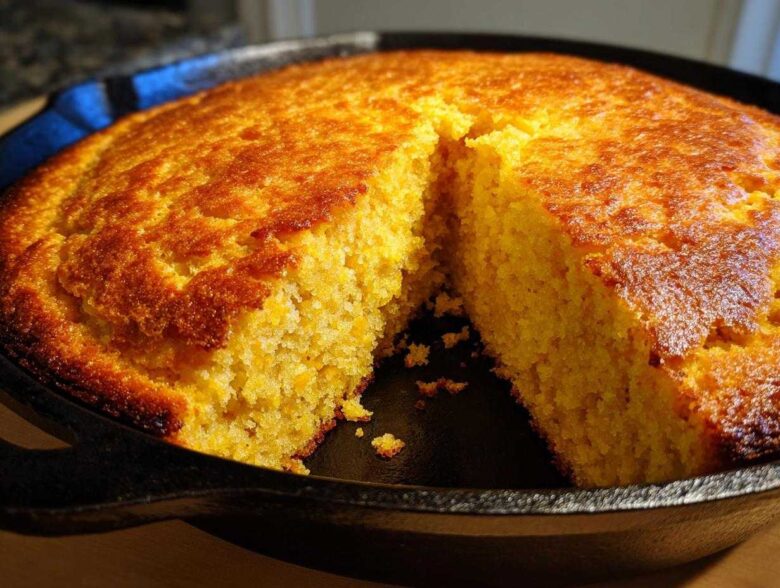
Okay, let’s settle this once and for all: if your cornbread tastes like cake, you’re doing it wrong! Or, you know, you’re making a perfectly lovely sweet bread, but it isn’t the real deal. When Ethan’s grandmother brought over her bread, that unmistakable scent of hot iron and savory corn hit you first. That’s what we chased!
This recipe, our Authentic Southern Cast Iron Skillet Cornbread (No Sugar Added Version), is where Maya’s nerdy research finally met Ethan’s “cook by feel” instinct. We nailed the texture: impossibly crispy edges that snap when you cut them, but the inside? Oh, honey, it is moist and tender. It took us weeks of testing to get this skillet cornbread just right, balancing the baking soda reaction with that perfect hot fat bath. You can read a little more about how we stopped arguing and started baking together right here. Trust me, this is the only homemade cornbread recipe you’ll ever need.
Why This Authentic Southern Skillet Cornbread Recipe Works
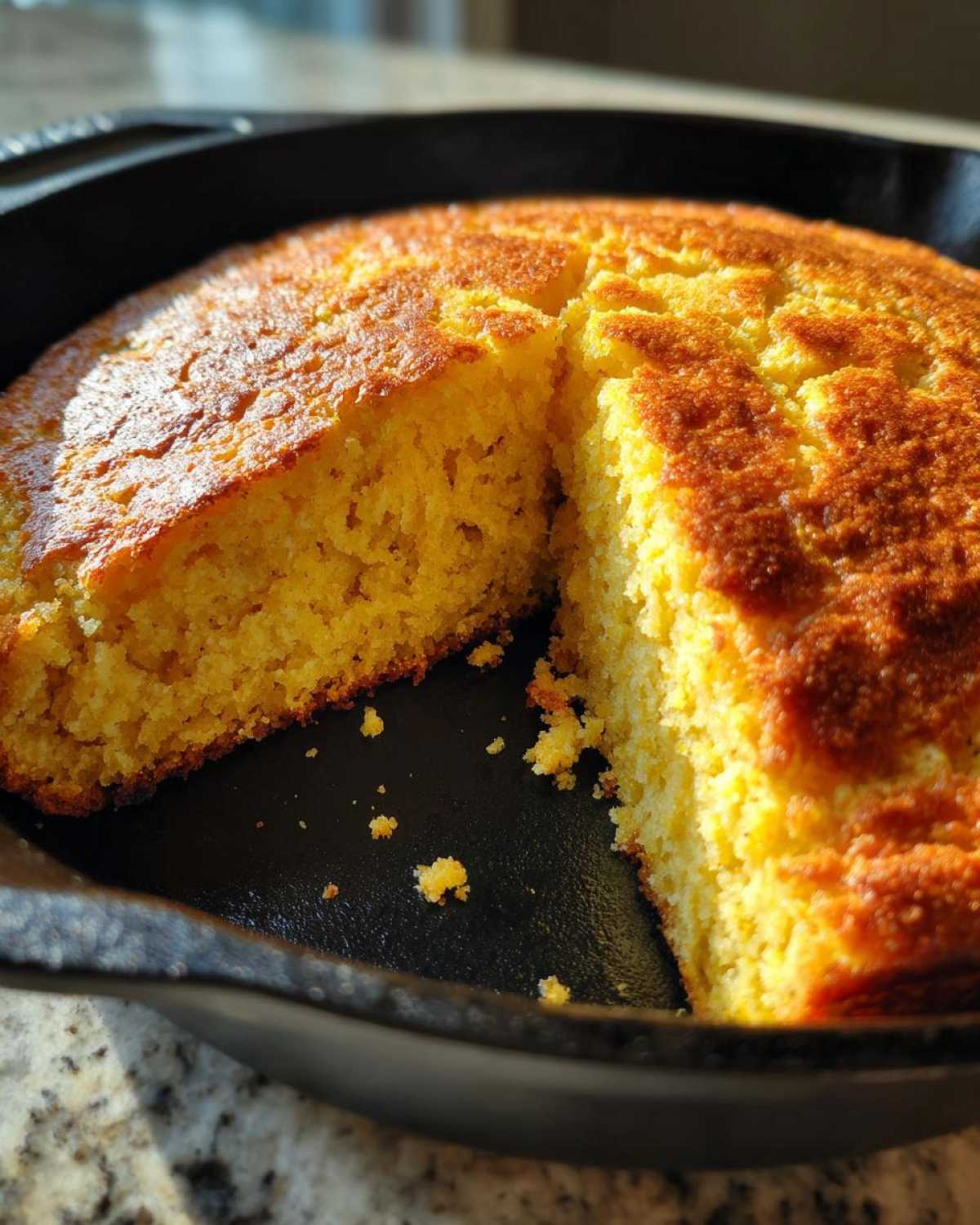
When people ask me what makes this the best skillet cornbread they’ve ever tried, it always comes down to two things we obsessed over: the shatteringly crispy crust and the fluffy, savory interior. Ethan’s grandmother refused to use sugar, insisting it made the bread soft, and my research confirmed that balancing the acid in the buttermilk was key to the lift. It’s the perfect meeting of old-school tradition and modern baking science!
- Achieving Crispy Skillet Cornbread Edges
This is non-negotiable, folks. You have to preheat that cast iron skillet. I mean *really* preheat it—along with your oven! When that cool batter hits that hot surface coated in shimmering fat (hopefully bacon grease!), that immediate sizzle creates the signature golden-brown, crunchy perimeter. Don’t be shy with the heat here; it’s crucial.
- The Secret to Moist Buttermilk Cornbread
Since we skip the sugar, we rely on chemical reactions for texture. The buttermilk is acidic, and when it hits the baking soda, it makes tons of little gas bubbles, which gives us lift and tenderness. But here’s the main thing Maya drilled into us: you *cannot* overmix. Just stir until things look barely acquainted. Overmixing builds gluten, and suddenly you’ve got tough bread instead of moist buttermilk cornbread.
Ingredients for the Perfect Skillet Cornbread
Okay, when you’re gathering your supplies for this skillet cornbread, remember we are aiming for pure, honest flavor here. This is an Old Fashioned Cornbread Baking blueprint, so keep it simple. We skip the sugar entirely in this classic blend, which is why the texture is so superior.
- 1 cup yellow cornmeal
- 1 cup all-purpose flour
- 1 teaspoon baking soda
- 1/2 teaspoon salt
- 1/4 teaspoon black pepper
- 1 large egg, lightly beaten
- 1 cup buttermilk
- 1/4 cup rendered bacon grease, melted (or unsalted butter)
Ingredient Notes and Substitutions
This is where Ethan jumps in. If you can manage to use the bacon grease, please do! That savory, smoky hint is what separates Southern Style Cornbread from everything else. It just gives you that wonderful earthy flavor that butter can’t quite hit by itself. If you’re vegetarian or just don’t have any grease rendered down, melted unsalted butter works great as a substitute—it just won’t have that special Southern kick. Remember, this is our No Sugar Cornbread Classic, so don’t go reaching for that white granulated stuff!
How to Prepare Your Cast Iron Skillet Cornbread
Making truly great cornbread isn’t just about what goes in the bowl; it’s about what happens the second that batter meets the pan. If you follow these steps for this skillet cornbread, you’re going to get that incredible crust that people talk about for weeks. It’s all about timing and heat management, which is where Maya’s timing charts help Ethan bring the heat! Just like getting those potatoes perfect, check out my recipe for crispy oven baked Mexican potatoes—temperature control is everything when baking anything!
Preheating the Skillet for Crispy Skillet Cornbread Edges
Listen up, because this is the step you absolutely cannot skip if you want those crunchy edges. Set your oven to 400 degrees Fahrenheit, and put your empty 10-inch cast iron skillet right in there while it heats up. We want that iron screaming hot. Once the oven hits temp, you carefully pull that skillet out. Now, quickly add your bacon grease or butter—it should shimmer almost instantly. If it doesn’t sizzle when the batter goes in, you blew it! Seriously though, that *hot* fat is our key to success here.
Mixing the Batter for this Easy Skillet Bread Recipe
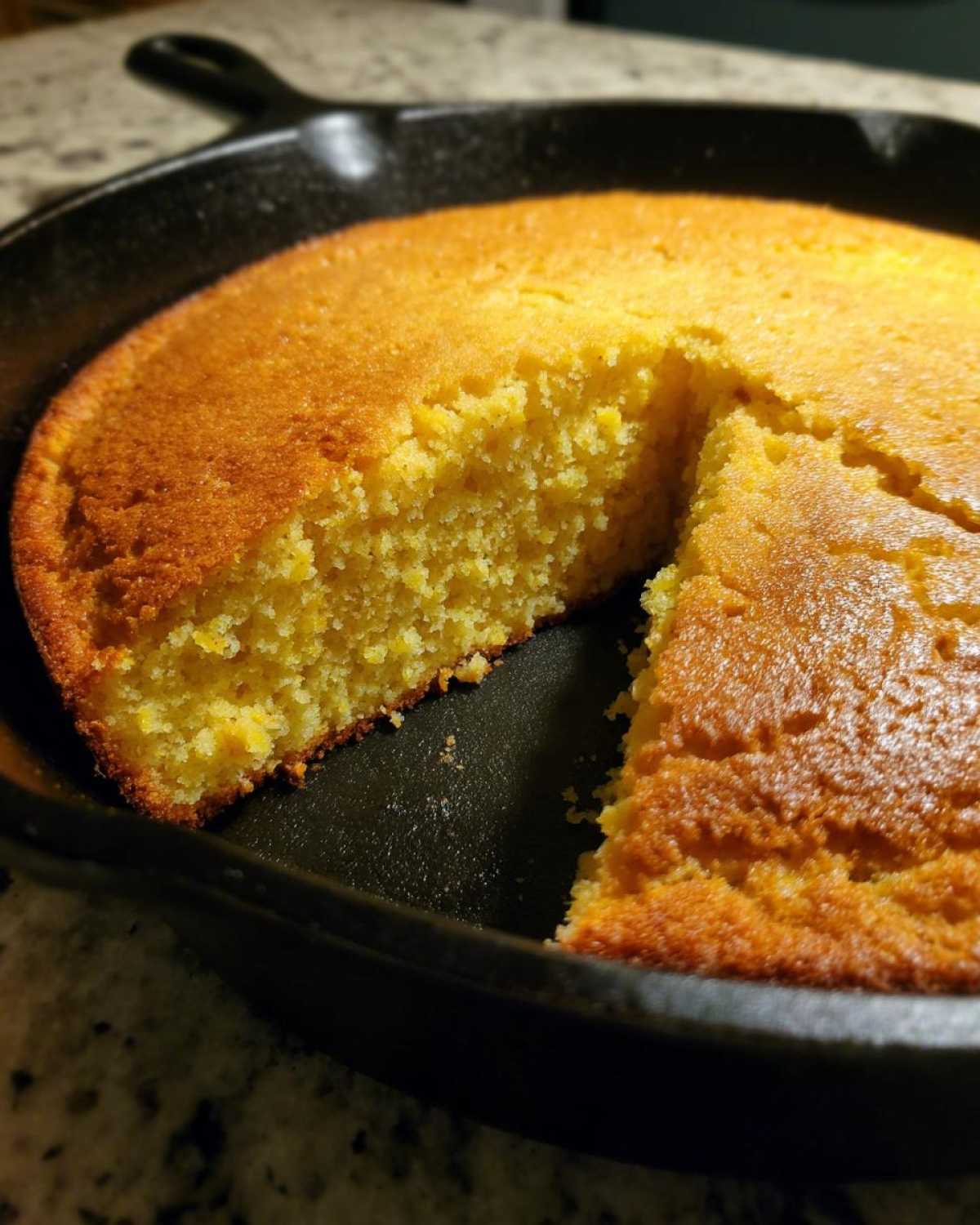
This is where we keep things quick and gentle. Whisk your dry stuff—cornmeal, flour, soda, salt, pepper—all together in one bowl. In a separate, smaller bowl, mix your wet ingredients—the egg and the buttermilk. Now, pour the wet into the dry, and gently fold everything together. I mean it, *fold*. Don’t beat it like you’re making a fluffy yellow cake! We only stir until you can’t see streaks of dry flour anymore. A few lumps? Perfect. That’s actually what keeps this easy skillet bread recipe so tender inside.
Baking and Finishing the Old Fashioned Cornbread Baking
As soon as you’ve mixed that batter, it needs to go into that searing hot skillet. Pour it in—you should hear an immediate, satisfying sizzle across the entire bottom. Work fast and put the whole thing right back into the 400-degree oven. You’ll bake this old fashioned cornbread baking masterpiece for about 20 to 25 minutes. Look for that beautiful golden-brown top, and test it with a toothpick right in the center. If it comes out clean or with just a few moist crumbs attached, you’re done. Let it rest for just five minutes in the pan before slicing!
Tips for Success with Homemade Cornbread Recipe
You’ve got the heat, you’ve got the batter—but trust me, a couple more pointers will take this from good to legendary. Even the best plans benefit from a little extra know-how. I always tell folks that baking, especially something rustic like this, is about respecting the ingredients and the process. These little things are what Maya researches and what Ethan swears by.
First off, if you can’t get your hands on bacon grease, that’s fine, but remember that butter doesn’t quite give you that deep, almost earthy flavor of true Southern Style Cornbread. For the absolute best crust, make sure your baking soda is fresh. Old soda won’t give you the lift we need to counteract the density of the cornmeal and flour.
Also, if you’re looking for inspiration for next time and want to see how others handle their bread, check out some great recipes over at Two Southern Sweeties. And if you want to see what else we’ve been testing lately in the kitchen, head over to the main blog page!
Serving Suggestions for Your Rustic Bread Recipe
This isn’t the kind of bread you drench in maple syrup, bless its heart. This rustic bread recipe is built for dipping, soaking up sauces, and balancing out rich, savory meals. Ethan’s family serves this buttery skillet baked good all year round, not just during holiday gatherings. It has the structure and the flavor profile to stand up to big, hearty dinners without crumbling under pressure.
Because we skipped the sugar, we don’t have to worry about making the dish *too* sweet. We lean into those earthy corn notes, especially when we use that bacon grease. When you pull this golden beauty out of the skillet, don’t just serve it plain. It wants to be paired with something exciting!
The Best Cornbread for Chili
Hands down, this is the absolute best cornbread for chili you are going to find. When you make a big pot of thick, meaty chili—or maybe one of our easy pumpkin chilis that you can find the recipe for right over here—you need something sturdy to scoop it with. Sweet cornbread just falls apart and turns mushy; this savory version stands its ground.
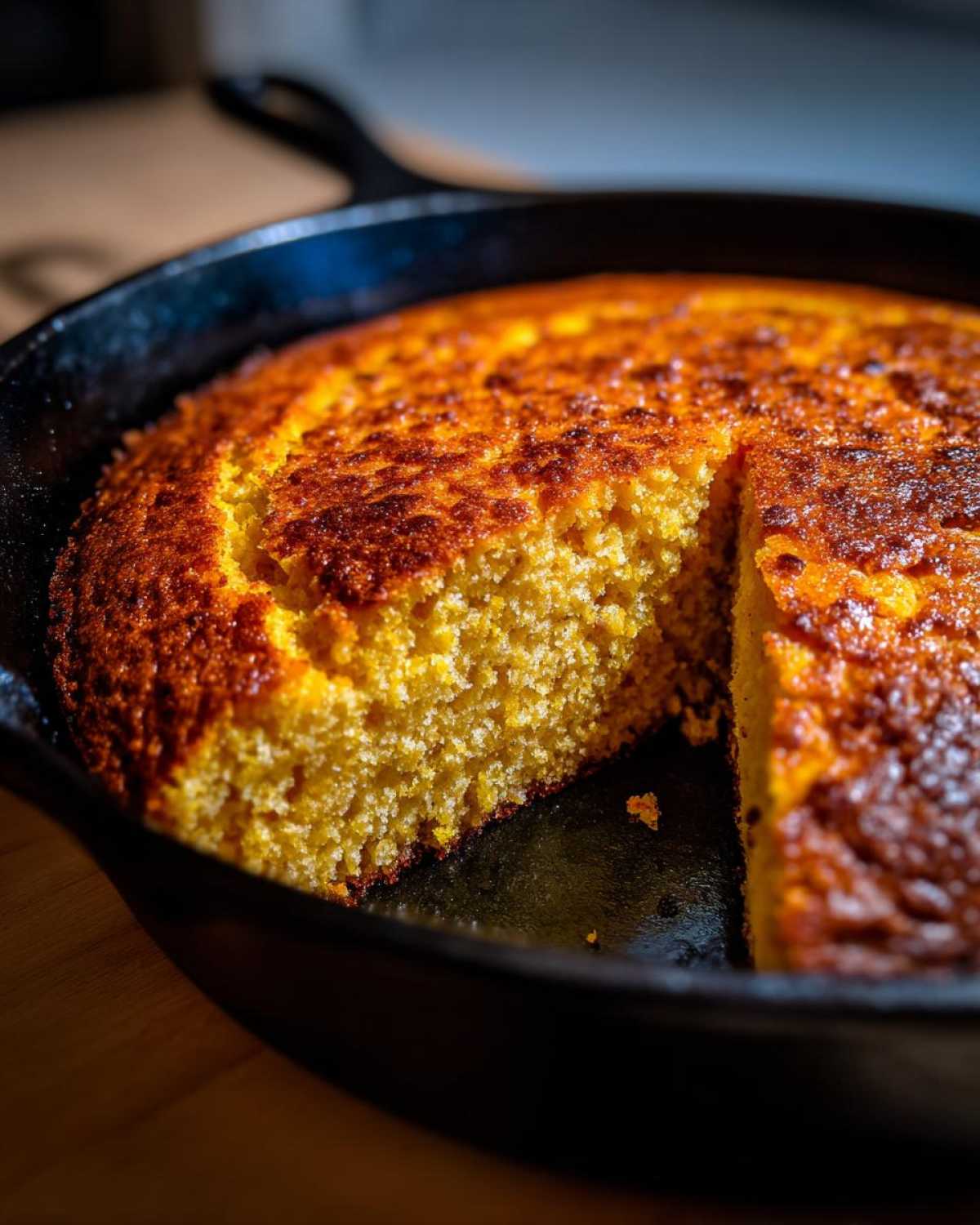
It’s also fantastic alongside black-eyed peas, collard greens, or even just a big, steaming bowl of beef stew. The slight saltiness from the seasoning and the crispy edges are just the right counterpoint to heavy, flavorful dishes. It’s comforting, traditional, and honestly, it doesn’t even need butter!
Storage and Reheating Your Buttery Skillet Baked Goods
So, you’ve served dinner, and there are a few glorious pieces of skillet cornbread left over. What do you do? We want to keep that texture magic alive, right? That crispy edge is our pride and joy, and we don’t want to lose it to staleness!
For short term storage—say, you think you’ll be eating the rest of it by tomorrow—just leave it right in the cast iron skillet, covered loosely with foil or plastic wrap, and keep it on the counter. Because this is a No Sugar Cornbread Classic, it doesn’t have as much sugar drawing moisture, so room temperature storage is excellent for about 24 hours. Don’t stick it in the fridge immediately; cold temperatures tend to dry out bread products really fast.
If you need to keep this moist buttermilk cornbread for longer than that, definitely wrap those pieces tightly in plastic wrap and then pop them into an airtight container in the fridge. It should be good for three or four days that way, though I’d encourage you to eat it sooner!
How to Bring Back Those Crispy Skillet Cornbread Edges
Here’s the million-dollar question: how do you revive it without turning the whole thing into a steaming, soft mess? You have to use the skillet again! That’s the only way to get the crust back.
Take your slightly cool cornbread piece and place it directly back into that clean cast iron skillet—yes, even if you just used it for the first batch. Place the skillet over medium heat on the stovetop for about three or four minutes. You aren’t trying to cook it again; you’re just re-crisping the bottom and sides. Watch it carefully, because that residual heat builds fast!
If you want to warm the whole slice through evenly, you can pop the skillet into a 300-degree oven for just five minutes after you reheat the bottom on the stove. It’s quick, it’s easy, and instantly, you’re back to enjoying that perfect, buttery skillet baked good texture. Trust me, reheating it this way is miles better than microwaving it!
Frequently Asked Questions About Skillet Cornbread
I know you have questions! When you bake something from scratch, especially when you’re trying to nail that authentic flavor profile, there are always a few little things that pop up in your head before you even start mixing. Ethan and I have wrestled with most of these ourselves while perfecting this skillet cornbread, so I pulled the most common ones we hear!
Can I make this skillet cornbread without bacon grease?
Absolutely, you can! Look, I know bacon grease isn’t everyone’s go-to, and we certainly don’t want to stop you from making this just because you’re out! As I mentioned in the ingredient notes, if you can’t use bacon grease, just substitute the exact same amount with standard unsalted butter. It’s going to create a wonderful, rich, buttery skillet baked good. The flavor profile shifts slightly—it won’t have that distinct savory, smoky background that the Southern veterans expect—but the texture for this easy skillet bread recipe will still be spot on because you’re using the hot pan trick!
How do I prevent my skillet cornbread from sticking?
Honestly, if you follow the main baking instructions for this Cast Iron Skillet Cornbread and you’re worried about sticking, let me tell you the secret: heat the fat! It’s not about greasing the pan early and letting it sit cold. You need that 10-inch skillet screaming hot (400°F!) before you even add the fat. The fat melts into the porous iron almost instantly, creating a barrier. When the batter hits that super-hot, shimmering grease, it immediately starts cooking the bottom layer, physically preventing it from sticking while it develops those amazing crispy skillet cornbread edges. If you’re panicking, pour the fat in while the oven is preheating, and just give it a good 60 seconds of hot metal contact before you pour your batter in to bake!
Is this recipe suitable for a quick cornbread side dish?
Yes, yes, and yes! If you’re looking for a quick cornbread side dish for a weeknight meal, this is it. Seriously. Between the 10 minutes of prep time and the 25 minutes bake time, we are looking at only 35 minutes total to have this beautiful, savory loaf on the table. That timing keeps it firmly in the ‘quick and easy’ category, even though the results taste like something that took all afternoon. It’s perfect when you need a reliable from scratch cornbread fast!
What’s the difference between this and a sweet cornbread version?
This is probably the biggest debate in the cornbread world! This recipe is strictly a savory, traditional, Southern take—it’s a No Sugar Cornbread Classic. We let the cornmeal and the buttermilk do the talking. If you prefer that super sweet cake-like bread, you’ll want to look for a recipe that uses white sugar or honey, like that lovely sweet cornbread with honey pinned around, but for serving alongside chili, beans, or greens, this savory version is unparalleled.
Estimated Nutritional Data for Classic Skillet Cornbread
Now, I know Maya loves to get into the science of what our food does for us, and knowing the numbers is part of that. But before you dive into this, remember this is just an estimate based on the ingredients list we used. Since we rely heavily on rendered Bacon Grease Cornbread in our family recipe, that fat content is going to shift dramatically if you switch to butter. We’re looking at a dense, savory bread, not a light cake, so keep that in mind!
Here is a snapshot of what one serving—one slice—of this savory loaf typically looks like, based on 8 servings total:
- Calories: 210
- Total Fat: 11g
- Saturated Fat: 4g
- Carbohydrates: 24g
- Sugar: 1g
- Protein: 5g
- Sodium: 350mg
See that sugar count? That’s part of why this is such a fantastic Old Fashioned Cornbread Baking staple. It’s savory, it fills you up, and it supports the meal instead of competing with it. We designed this to be a perfect complement to rich stews and chilis, and the nutrition reflects that rustic, simple approach. Enjoy every single bite—especially that crispy edge!
Share Your Perfect Skillet Cornbread Results
So there you have it! Our absolute favorite skillet cornbread recipe—the one that finally brought peace to our kitchen counter—is now yours. We truly hope you experience that moment when you pull it out of the cast iron and the edges are perfectly caramelized and crisp. I live for that moment! Maya and I put a lot of love and yes, a few arguments, into perfecting this savory, authentic Southern method.
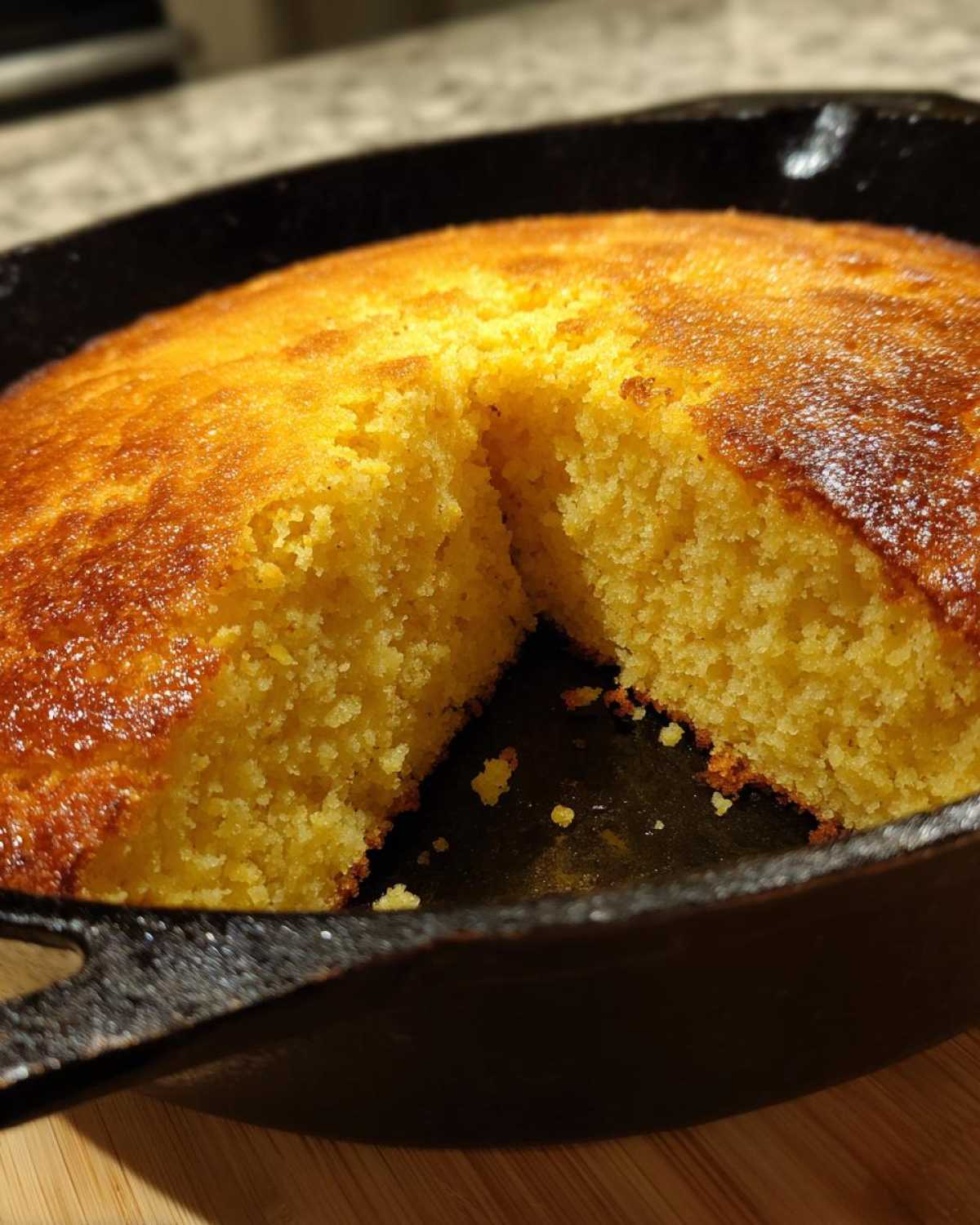
Now that you’ve baked this masterpiece, we want to hear about it! Did you stick to the traditional bacon grease, or did you try the butter variation? Pop down into the comments below and give this recipe a star rating—we rely on feedback from folks like you to know what’s working in everyone’s kitchen! If you made any brilliant little adjustments to your homemade cornbread recipe, we’d love to know about those too. You can always reach out directly through our contact page if you have any deep-dive questions.
We’re constantly baking and testing new things, and seeing your creations inspires us so much. You can even check out how other folks are making their Cast Iron Skillet Cornbread over at Cooking For My Soul, they have a great visual guide here.
But the biggest question I have for you is this: What’s the first thing you’re going to eat this perfectly crunchy, moist cornbread with? Are you pairing it with a smoky chili, or maybe just slathering it with butter? Let us know your favorite pairing for this rustic bread recipe!
PrintAuthentic Southern Cast Iron Skillet Cornbread (No Sugar Added)
Make this classic Southern Skillet Cornbread in your cast iron pan for irresistibly crispy edges and a moist, savory center. This no-sugar recipe uses buttermilk and bacon grease for true old-fashioned flavor.
- Prep Time: 10 min
- Cook Time: 25 min
- Total Time: 35 min
- Yield: 8 servings
- Category: Side Dish
- Method: Baking
- Cuisine: Southern
- Diet: Vegetarian
Ingredients
- 1 cup yellow cornmeal
- 1 cup all-purpose flour
- 1 teaspoon baking soda
- 1/2 teaspoon salt
- 1/4 teaspoon black pepper
- 1 large egg, lightly beaten
- 1 cup buttermilk
- 1/4 cup rendered bacon grease, melted (or unsalted butter)
Instructions
- Preheat your oven to 400 degrees Fahrenheit. Place your 10-inch cast iron skillet inside the oven while it preheats. This step is key for crispy edges.
- In a medium bowl, whisk together the cornmeal, flour, baking soda, salt, and pepper.
- In a separate small bowl, whisk together the egg and buttermilk.
- Carefully remove the hot skillet from the oven. Add the bacon grease to the hot skillet and swirl it around to coat the bottom and sides completely. Let it sit for one minute to ensure the grease is shimmering hot.
- Pour the dry ingredients into a large mixing bowl. Add the buttermilk mixture and the melted bacon grease (from the skillet, if you can pour it without burning yourself, otherwise use the measured amount from the ingredients list) to the dry ingredients. Mix only until just combined; do not overmix. A few lumps are fine.
- Immediately pour the batter into the hot, greased skillet. The batter should sizzle when it hits the pan.
- Return the skillet to the oven and bake for 20 to 25 minutes, or until the top is golden brown and a toothpick inserted into the center comes out clean.
- Let the cornbread cool in the skillet for 5 minutes before slicing and serving warm.
Notes
- For the best crispy skillet cornbread edges, make sure your cast iron skillet is fully preheated before adding the batter.
- If you do not have bacon grease, you can substitute it with an equal amount of melted unsalted butter for a buttery skillet baked good.
- This is a no sugar cornbread classic; if you prefer a sweeter version, add 2 tablespoons of honey to the wet ingredients.
Nutrition
- Serving Size: 1 slice
- Calories: 210
- Sugar: 1
- Sodium: 350
- Fat: 11
- Saturated Fat: 4
- Unsaturated Fat: 7
- Trans Fat: 0
- Carbohydrates: 24
- Fiber: 1
- Protein: 5
- Cholesterol: 45