

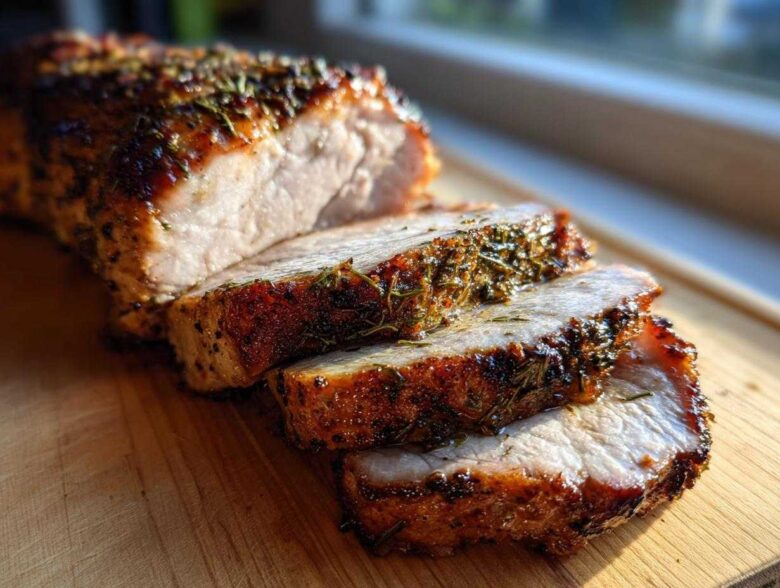
We used to think making a perfect roast pork loin roast was this huge ordeal—something only Ethan’s grandma could pull off. I mean, I’d come in with my charts showing the ideal oven temperature zones, and he’d be sniffing the air, declaring it needed another thyme sprig! We fought, we argued, and honestly, we ended up with dry meat half the time. But what if I told you that achieving a ridiculously tender, juicy pork loin roast is totally achievable, even on a Tuesday? Ethan finally taught me that sometimes instinct needs a little planning, and I taught him why soaking the seasoning matters. This simple method makes a fantastic weeknight dinner but is robust enough for the whole family on a Sunday roast recipe day.
We figured out a two-step roasting secret that balances the sear on the outside with the moisture inside. If you’ve ever felt guilty about serving tough pork, this is the blueprint that finally brought our kitchen peace (and much better texture!). You can see more about how we finally synced up our methods over on our About Us page, but for now, let’s get this pork in the oven!
Why This Juicy Pork Loin Roast is Your New Weeknight Dinner Favorite
I get it. Weeknights are chaos. That’s why this recipe really shines—it’s almost all hands-off cooking once the prep is done. Ethan insists you can pull this together faster than ordering takeout, and honestly, he might be right. If you need an easy pork dinner that still feels special, keep reading.
- It delivers a truly juicy pork loin every single time, no guesswork required.
- Prep time is under 15 minutes, getting that flavor straight onto the meat.
- It’s perfect for leftovers, making lunch the next day a breeze.
The Secret to a Tender Roast
We use a clever two-stage oven trick that shocks the meat slightly. We blast it hot for fifteen minutes, which seals in those lovely juices. Then, we drop the heat way down so the center cooks slowly and gently. This controlled finish ensures that internal temperature hits that sweet spot.
Gathering Ingredients for Your Pork Loin Roast
Okay, I love that this recipe doesn’t require a trip to the specialty spice store. We are keeping this minimal, which is perfect for a spontaneous weeknight dinner. Everything here is a pantry staple, except maybe the roast itself, which is the star! Make sure you get a good, quality piece of meat if you can.
Here is exactly what you need hanging out on the counter before we start rubbing that oil into the meat:
- 3 lb pork loin roast, trimmed (get rid of any big silver skin pieces!)
- 1 tablespoon olive oil
- 1 teaspoon kosher salt (we need those big crystals)
- 1 teaspoon black pepper (freshly cracked tastes so much better)
- 1 teaspoon garlic powder
- 1 teaspoon dried thyme
- 1/2 teaspoon paprika
Ingredient Notes and Substitutions
The seasoning blend Ethan and I settled on is amazing because it hits all the right savory notes—thyme and garlic are just meant to be together. But here’s where Ethan shines: if you want to really deepen the flavor profile—especially if you’re making this for a proper sunday roast recipe—toss in a tiny pinch of ground cinnamon. Seriously, trust him on this one; it brings out this subtle, meaty sweetness that balances the herbs perfectly. Don’t skip that little addition if you have it!
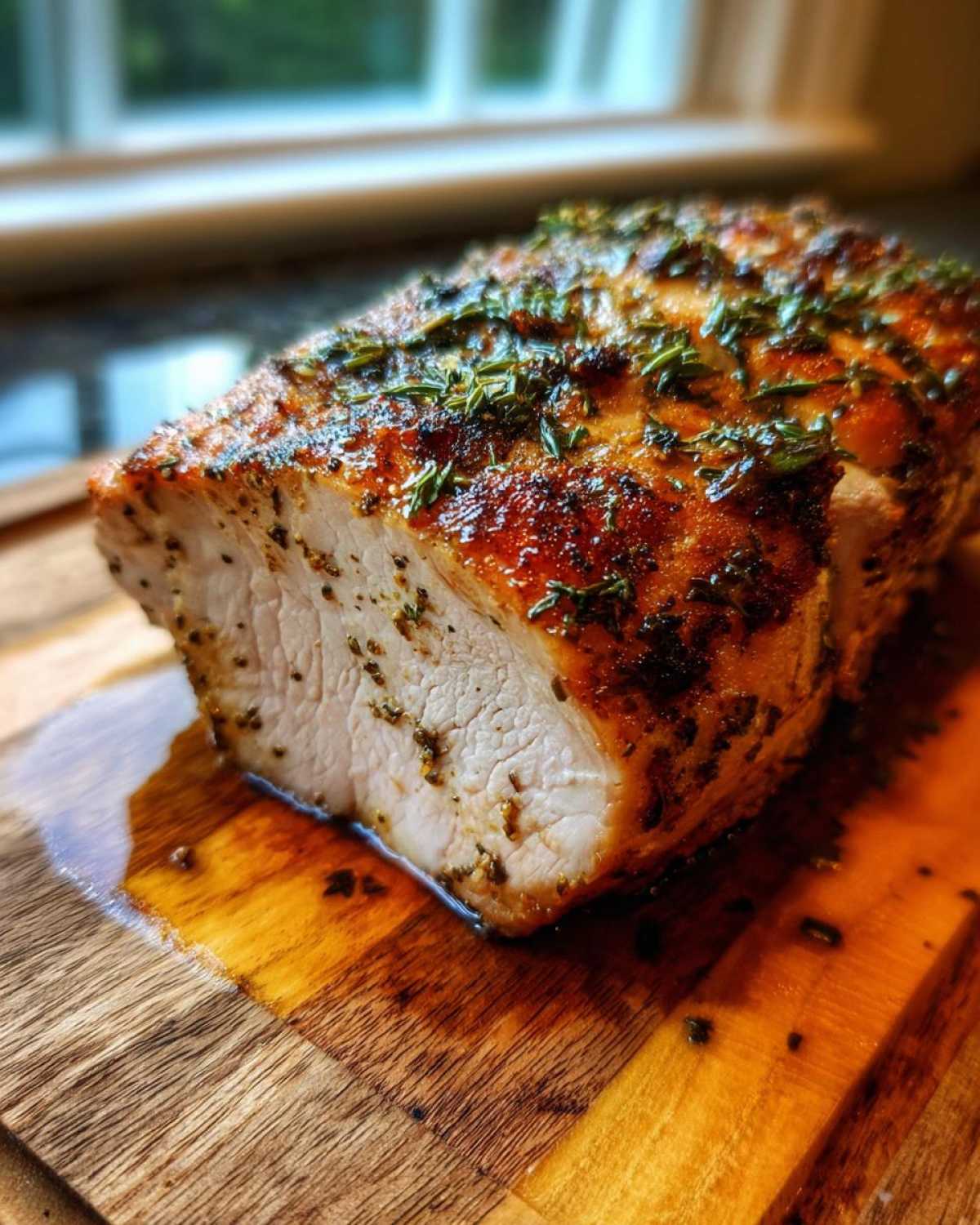
Essential Equipment for the Perfect Oven Roasted Pork
You don’t need a gadget graveyard for this recipe, thankfully! We like keeping things simple. The absolute most important thing—and I cannot stress this enough—is your meat thermometer. Honestly, if you skip the thermometer, you’re just guessing, and guessing usually means dry meat. You’ll want a roasting pan or a sturdy baking sheet with a rim so none of those flavorful juices escape. That’s it! Keep it simple, folks, and listen to your thermometer!
Step-by-Step Guide to the Best Pork Loin Roast
Alright, let’s get cooking! This is where all that careful prep turns into the most wonderful dinner. Ethan says this is the part where the “magic happens,” but really, it’s just following the plan I researched so he wouldn’t stress about timing. Preheat your oven to a roaring 400 degrees Fahrenheit first. We need that hard initial blast to build up some crust on the outside of that beautiful roast.
After patting the roast completely dry (this is huge for texture!), rub it with the olive oil, then coat it generously with your herb and salt mixture. Place it in the pan and stick it in the hot oven for exactly 15 minutes. Don’t cheat this step! Then, drop the heat down to 350 degrees Fahrenheit. From here on out, we rely on the thermometer, not the clock, to tell us when it’s done. We keep cooking until we hit that golden number, which is usually about 15 to 20 minutes per pound after the initial sear. You can check out how we handle roast chicken temperatures in this post—the science of a perfect roast translates really well!
Achieving the Ideal Pork Loin Internal Temp
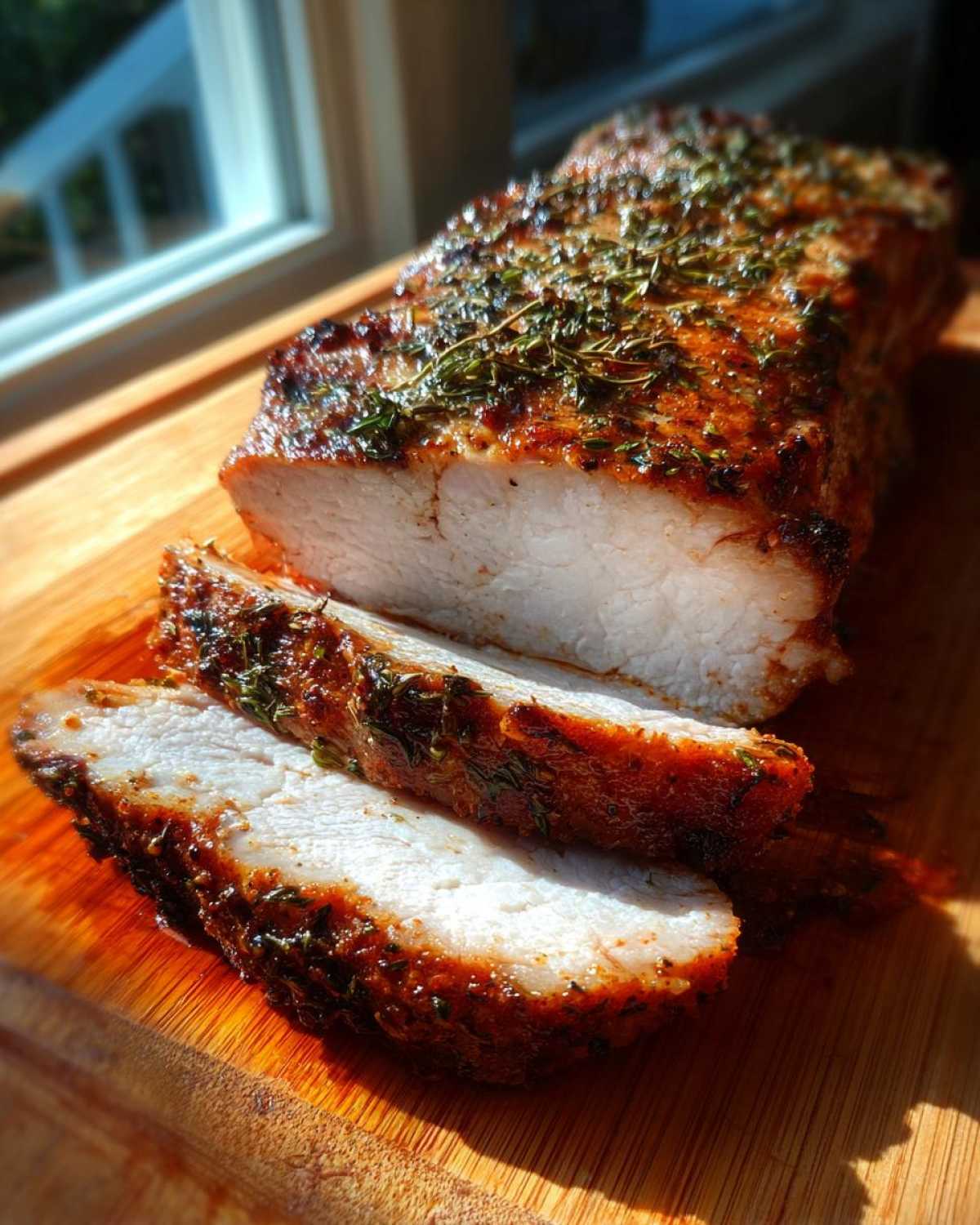
This is non-negotiable, my friends. You *must* use a meat thermometer stuck deep into the thickest part. We are aiming for the magic number: 145 degrees Fahrenheit. The second the thermometer tells you you’ve hit 145°F, pull that roast out immediately! At that temperature, the pork is perfectly safe yet completely succulent. If you wait even five extra minutes, you lose the “juicy” factor we worked so hard for.
The Crucial Resting Period for Your Pork Loin Roast
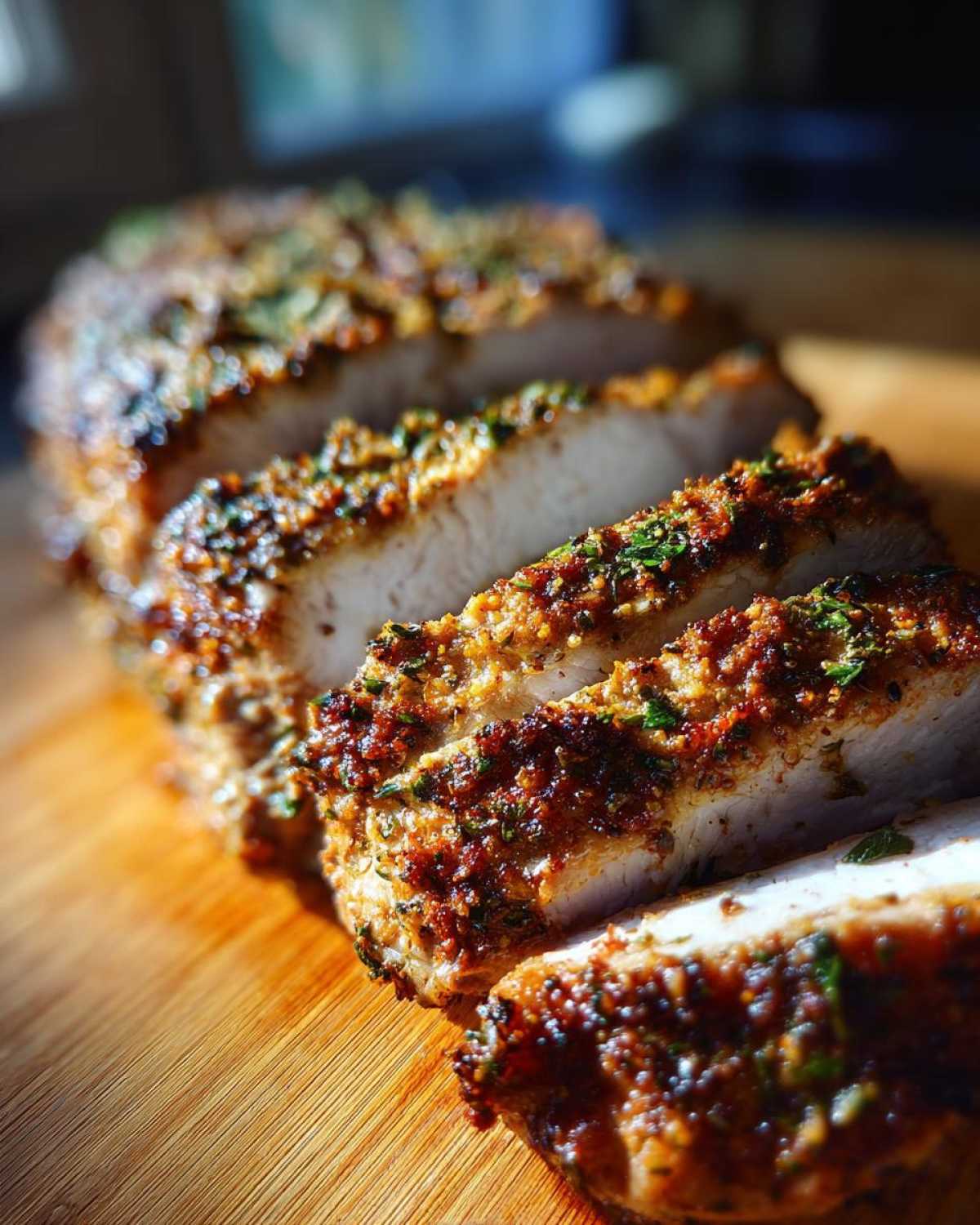
Trust me on this one: put the foil on, walk away, and clean your prep dishes while the roast rests. If you try to slice into that meat right out of the oven, all of those lovely, hot juices—the ones that make the meat tender—will just run right out onto your cutting board.
Giving it 10 to 15 minutes allows those juices to redistribute back into the fibers of the meat. This resting time is what separates a good roast from a truly unforgettable one. It’s hard to be patient, but this step guarantees moisture.
Making a Simple Pan Sauce Gravy for Your Pork Loin Roast
Okay, we have a gorgeous, juicy pork loin roast sitting there resting, and we seriously cannot let those flavorful roasted bits in the bottom of the pan go to waste! This pan sauce gravy is my favorite way to turn a simple meal into a full-on sunday roast recipe experience. It’s so quick, Ethan usually whips it up while I’m slicing onions for something else.
You just need a little medium heat on your stovetop. Scrape up all those lovely brown spots—that’s pure flavor! Next, whisk in one tablespoon of flour just for a minute to cook out that raw taste. Then, slowly pour in about one cup of chicken broth while you keep stirring until it’s glossy and thick. It’s heaven!
If you need a little inspiration on making stellar sauces, check out how Ethan handles creamy gravies in our recipe for Chicken Fried Steak; the principles are super similar for building that base!
Tips for Success: Guaranteeing a Juicy Pork Loin
Look, I know you followed the recipe perfectly, but sometimes you just need that little extra reassurance to guarantee a spectacular result. The first, most crucial thing you can do for that amazingly juicy pork loin is this: Pat it dry. I mean bone-dry! Use like three paper towels until the entire surface feels slightly rough. If it’s wet when you season it, you get steamed meat instead of that beautiful, savory crust we talked about.
Secondly, I beg you, don’t rely on the clock! That old recipe card saying “cook for 70 minutes” is just a guideline. If you skip the meat thermometer, you’re gambling with your dinner. That 145°F internal temperature needs to be confirmed in the very center of the roast. No thermometer, no perfect roast.
Storage and Reheating Instructions for Leftover Pork Loin Roast
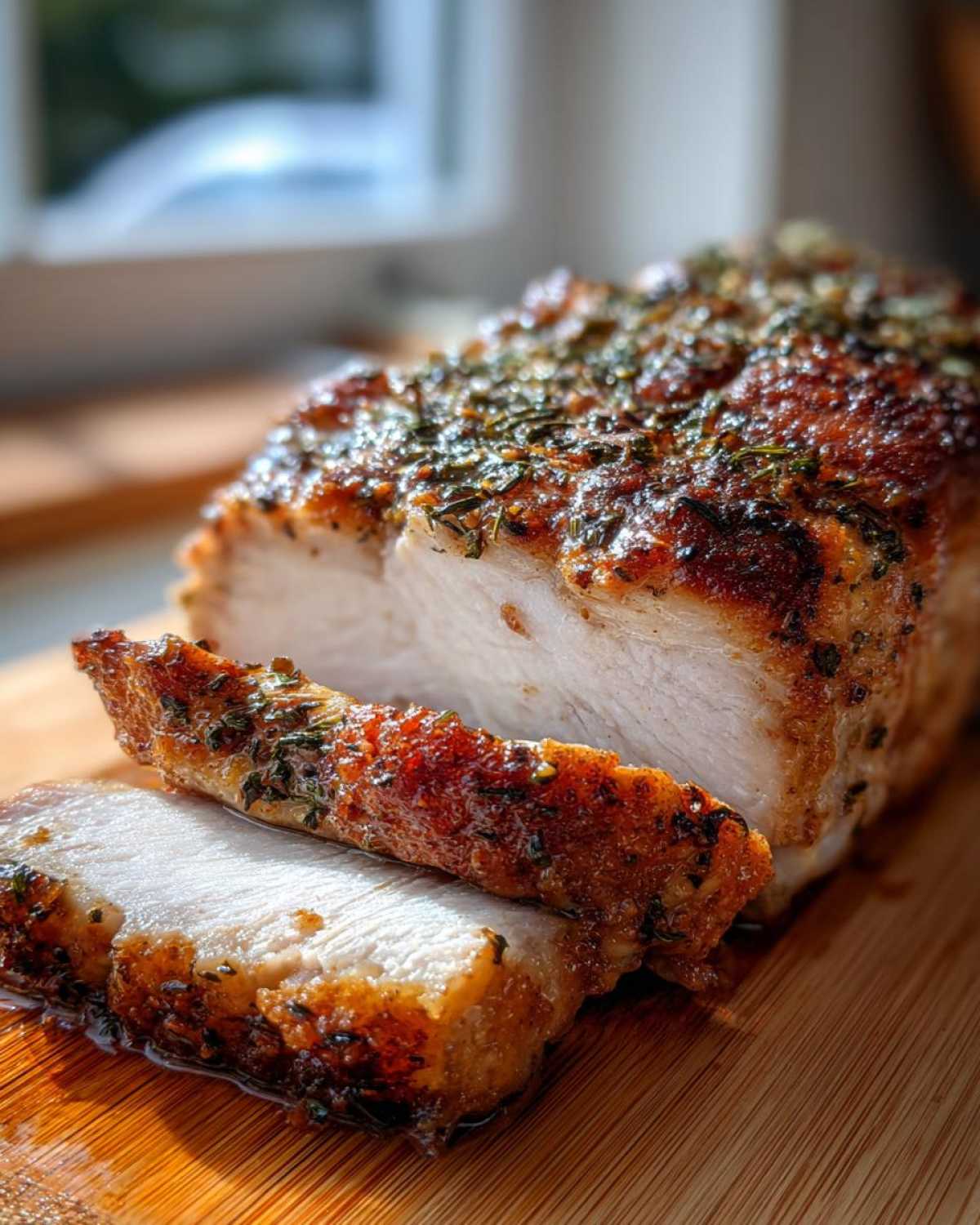
The best part about making a big roast? Leftovers! I swear, sometimes the meat tastes even better the next day once it’s had a chance to chill out in the fridge. Ethan always wants to eat it cold straight off the cutting board, but I prefer to reheat it gently so we don’t lose any of that wonderful tenderness we worked so hard to achieve.
When you store your leftovers, make sure you wrap them up tight. Pop the sliced meat into an airtight container. If you have any of that delicious pan sauce gravy left over, that’s even better! That extra moisture helps keep things tender as it cools.
For reheating, the microwave is too aggressive; it cooks the meat again and makes it tough. Instead, I place a few slices in a small skillet over low heat. Then, I add just a splash—maybe a teaspoon—of chicken broth or water around the edges of the meat before covering the pan. The steam gently warms the pork back up without drying it out. It works like a charm!
If you are looking for other ways to use up savory leftovers in the slow cooker, you should definitely check out our recipe for Easy Crockpot Beef Stew; sometimes taking that leftover meat and giving it a whole new life is the perfect solution!
Frequently Asked Questions About Your Pork Loin Roast
Okay, I know we covered a ton of ground here, moving from the initial sear all the way to the perfect pan sauce gravy, but often, the very best ideas come from just chatting through the common sticking points! Ethan and I argue about temperature settings almost as much as we argue about herbs, so I understand why you might have a few lingering questions about this pork loin roast.
What is the safe pork loin internal temp for slicing?
This is the million-dollar question for handling pork! The USDA guideline we follow religiously (and the one that guarantees you a moist finish) is 145 degrees Fahrenheit. You need that pork loin internal temp reading right in the thickest spot. But remember what I said? That temperature is only half the battle. You absolutely must let it rest for at least 10 minutes after it hits that mark. Resting lets the meat relax and redistribute the juices, ensuring that 145°F is held securely inside the meat fibers—that’s how you get that juicy texture!
Can I make this an easy pork dinner on a busy night?
Yes, yes, and yes! That’s one of the main reasons we developed this streamlined approach. The active prep, where you’re grinding spices and rubbing oil, really is under 10 minutes. Once that initial 15-minute high-heat blast is done, you drop the oven temp, and that’s it! The oven is doing all the heavy lifting. You can use that hour to set the table or even start making that simple pan sauce gravy. It’s the perfect recipe when you need a dependable, comforting, easy pork dinner without spending your whole evening chained to the stove.
If you want to see more of our quick tips and tricks that have made our kitchen much less argumentative, feel free to browse our main recipe index here!
Serving Suggestions for Your Sunday Roast Recipe
So, you’ve pulled that perfectly rested pork loin out, and you have that gorgeous pan sauce gravy simmering away—now for the fun part! A beautiful roast deserves equally comforting sides, but since we kept the main dish so simple, the sides should be reliable and straightforward. We love keeping things classic here at Tasty Tipster. Nothing beats tender roast pork next to creamy potatoes!
For a perfect, easy setup that screams Sunday roast, I always lean on two champions. First up, roasted root vegetables—toss carrots and Brussels sprouts with a little oil and roast them right alongside the pork for the last 30 minutes. Second, and this is Ethan’s must-have, are the fluffiest mashed potatoes you can imagine. We have a fantastic guide on making the ultimate velvety mashed potatoes that soak up that gravy beautifully. Simple, delicious, and everyone leaves the table happy!
PrintJuicy Oven Roasted Pork Loin Roast
Learn how to make a tender, juicy pork loin roast using simple ingredients and precise oven temperatures. This easy recipe is perfect for a weeknight dinner or a satisfying Sunday roast.
- Prep Time: 10 min
- Cook Time: 60 min
- Total Time: 70 min
- Yield: 6 servings
- Category: Dinner
- Method: Oven Roasting
- Cuisine: American
- Diet: Low Fat
Ingredients
- 3 lb pork loin roast, trimmed
- 1 tablespoon olive oil
- 1 teaspoon kosher salt
- 1 teaspoon black pepper
- 1 teaspoon garlic powder
- 1 teaspoon dried thyme
- 1/2 teaspoon paprika
Instructions
- Preheat your oven to 400 degrees Fahrenheit.
- Pat the pork loin roast dry with paper towels. This helps create a good crust.
- In a small bowl, mix together the kosher salt, black pepper, garlic powder, dried thyme, and paprika. This is your simple seasoning blend.
- Rub the olive oil all over the pork loin roast.
- Sprinkle the seasoning mix evenly over the entire surface of the pork loin, pressing gently so it sticks.
- Place the seasoned roast in a roasting pan or on a rimmed baking sheet.
- Roast at 400 degrees Fahrenheit for 15 minutes. This initial high heat helps sear the outside.
- Reduce the oven temperature to 350 degrees Fahrenheit. Continue roasting until the internal temperature reaches 145 degrees Fahrenheit on a meat thermometer inserted into the thickest part of the roast. This usually takes about 15 to 20 minutes per pound after the initial blast.
- Once the pork loin internal temp hits 145 degrees Fahrenheit, remove it from the oven immediately.
- Transfer the roast to a cutting board and tent it loosely with foil. Let it rest for at least 10 to 15 minutes before slicing. This resting period is key for a juicy pork loin.
- Slice against the grain and serve with pan sauce gravy if desired.
Notes
- For a quick pan sauce gravy, place the roasting pan over medium heat on the stovetop. Scrape up any browned bits from the bottom of the pan. Add 1 tablespoon of flour and cook for one minute, then slowly whisk in 1 cup of chicken broth until thickened.
- If you prefer a slightly different flavor, Ethan suggests adding a pinch of ground cinnamon to the seasoning mix to bring out the pork’s natural sweetness.
- Always use a meat thermometer; cooking by time alone can lead to dry meat.
Nutrition
- Serving Size: 4 oz cooked
- Calories: 280
- Sugar: 1
- Sodium: 450
- Fat: 12
- Saturated Fat: 4
- Unsaturated Fat: 8
- Trans Fat: 0
- Carbohydrates: 0
- Fiber: 0
- Protein: 40
- Cholesterol: 105