

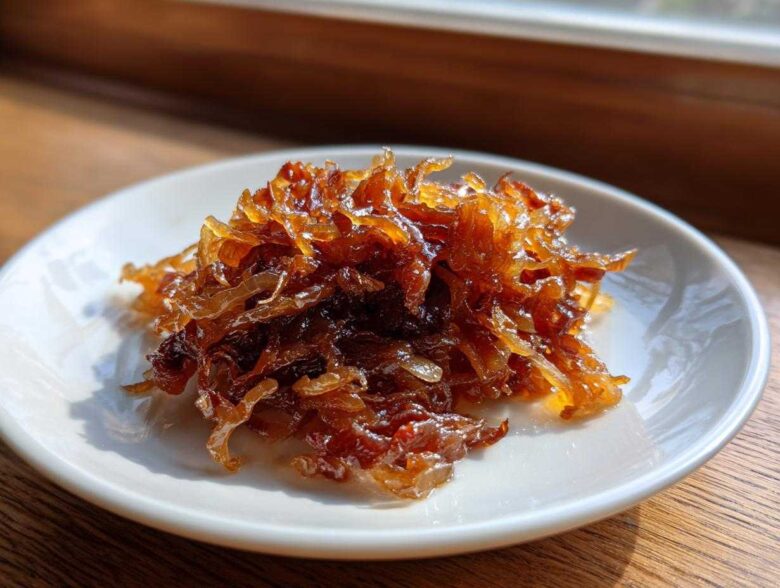
Sometimes, the greatest magic in the kitchen isn’t about adding fancy, exotic ingredients. It’s about *transforming* something totally ordinary into something rich and unbelievable. That’s exactly what happens when you master the technique for perfect caramelized onions. Seriously, we go from sharp, borderline-spicy raw onion to this deeply sweet, jammy topping in one pan. Ethan always tells me he can just *feel* when the flavor is right based on smell alone, but I rely on my research to nail the timings! This guide blends both our methods so you can stop arguing over cooking times and start enjoying the incredible savory sweet onion flavor you deserve. Trust me, once you nail this, you’ll use them everywhere.
Why Mastering Caramelized Onions is a Kitchen Staple Onions Skill
Look, I know an hour just for onions sounds extreme, but stick with me! This isn’t just about cooking an onion; it’s about unlocking sugars that you can’t find anywhere else. Mastering good caramelized onions elevates basic meals instantly. Ethan always points out that the deep flavor onions create is irreplaceable, turning a simple side dish into a gourmet onion side dish. It’s the foundation for so many of our favorite comfort foods, I promise it’s worth the small amount of active time.
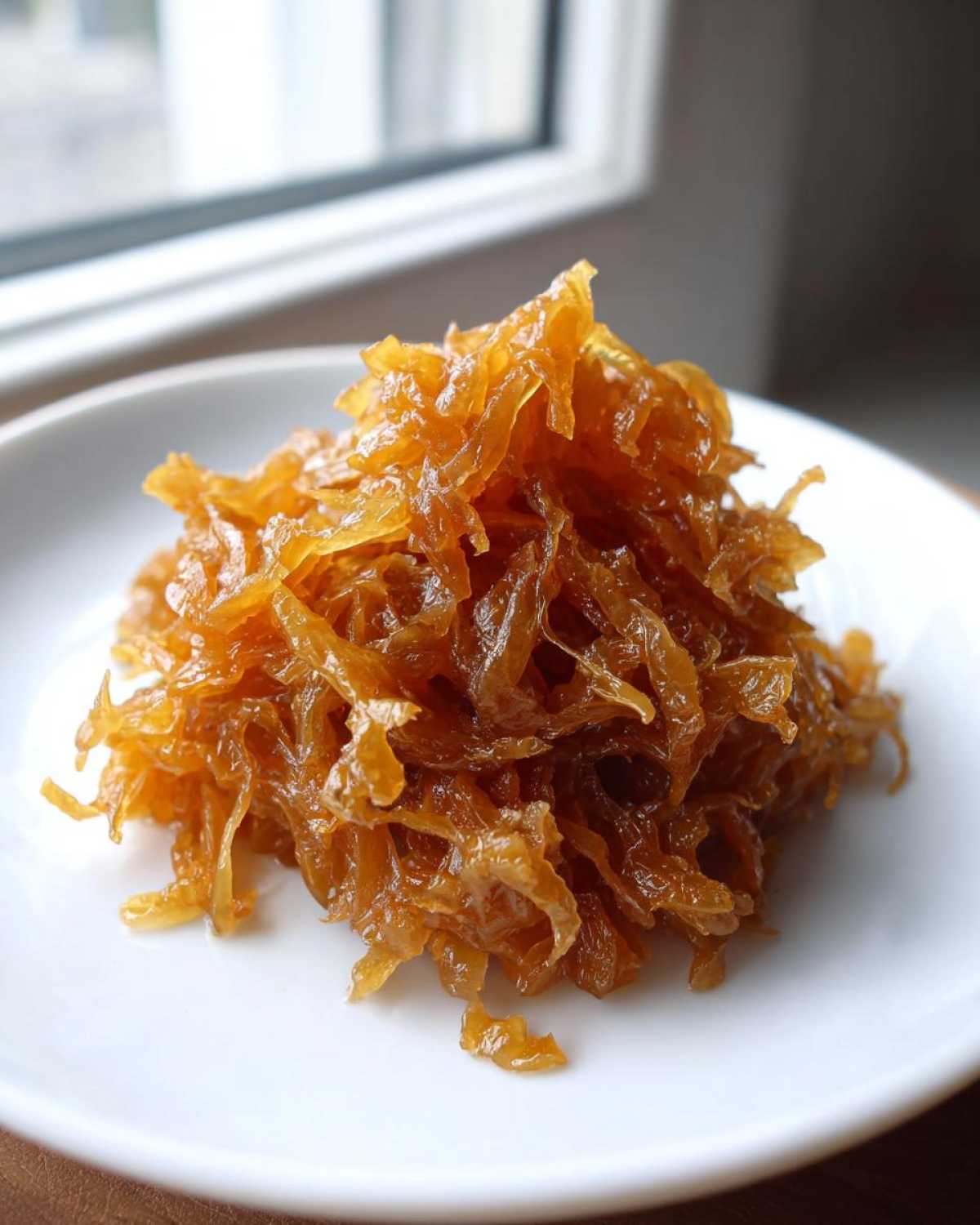
Ingredients for Perfect Caramelized Onions
Okay, let’s get our tools ready! The beauty of this recipe is how truly simple the ingredient list is. Ethan swears by using a heavy pan, but the ingredients are what really matter here. Make sure your onions are thinly sliced so they break down evenly.
- 4 large yellow onions, thinly sliced
- 2 tablespoons unsalted butter
- 1 tablespoon olive oil
- 1 teaspoon salt
- 1/2 teaspoon sugar (optional, for faster browning)
- 1/4 cup water or vegetable broth (for deglazing)
That’s it! We rely on the basics to get that incredible flavor payoff.
How to Caramelize Onions: The Slow Cooked Onions Method
Alright, this is where we earn that rich flavor. If you want true, deep sweetness, you have to commit to the slow cooked onions method. Forget the high heat panic! We need patience here. Ethan always says, “You can’t rush sugar; you have to convince it to change.” This technique ensures you get the best caramelized onions possible, ready to be the star of your next French Onion Pasta Sauce or dip.
Preparation and Initial Softening
First things first—get those onions sliced thin and even. Uniform slices mean they soften at the same rate, which is super important! We start in a large skillet over medium-low heat with that butter and oil mix. Toss in the onions and the salt, and just let them hang out for about fifteen minutes. You’re looking for them to go totally soft and clear. Just stir them every now and then so they don’t stick early on.
Achieving Deep Flavor Onions Through Low Heat
Now we hit the real magic zone. Turn that heat down to low. This is where the actual caramelization happens, slowly turning them pale gold. If you see dark brown spots forming too fast on the bottom, don’t panic! Just splash in a tiny bit of water and scrape up those tasty bits—that’s called deglazing, and it’s key flavor intelligence. Keep stirring every few minutes for another half hour or so. They are done when they shrink down, look like jam, and are a gorgeous deep brown color. That’s how you know you’ve achieved serious deep flavor onions!
Quick Onion Hack: Speeding Up Caramelized Onions
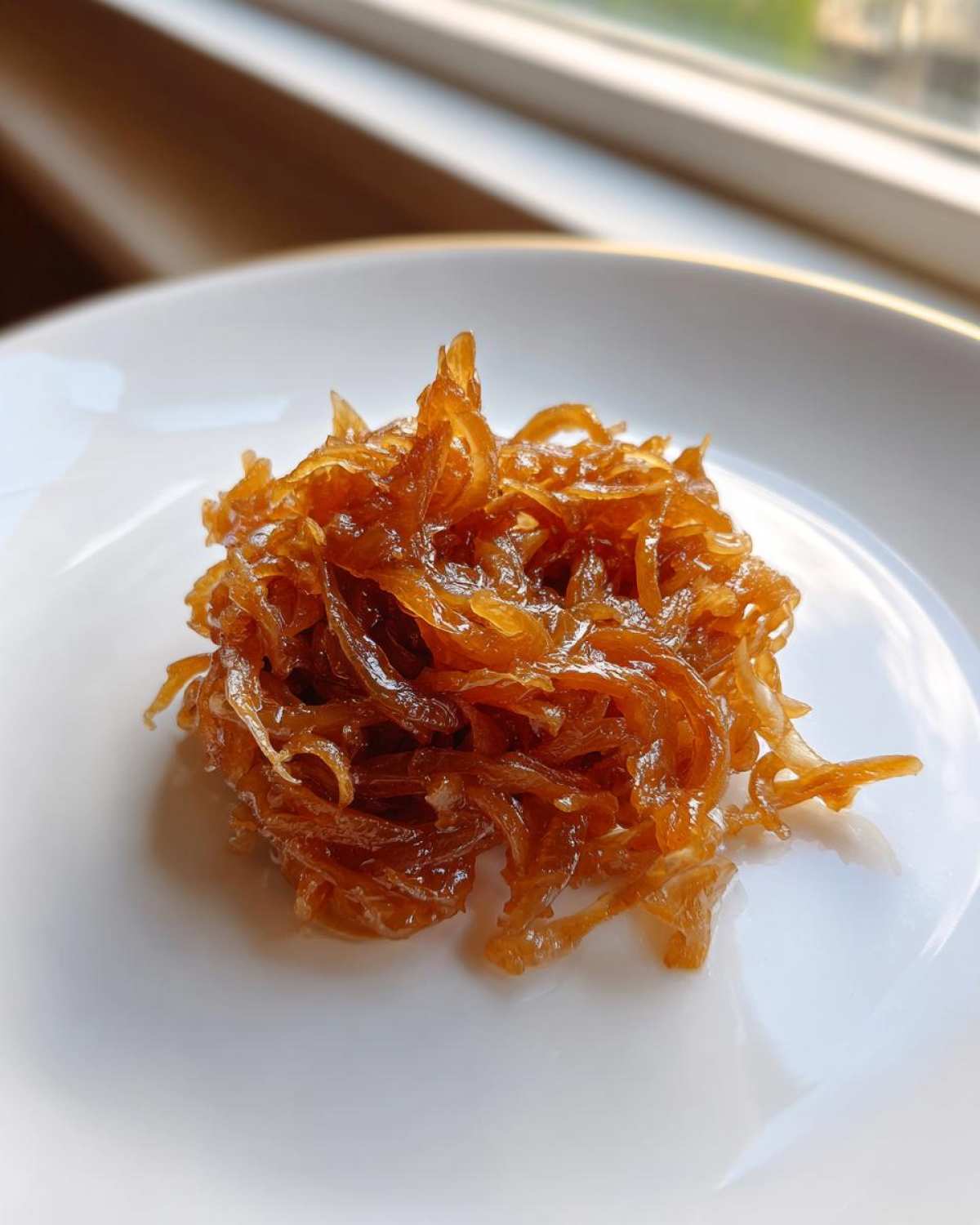
I get it. Sometimes you need that flavor boost, but you don’t have an hour to devote to the full slow cooked onions process. Ethan’s dad has a trick for this, though I always warn him it’s *not* the same as the real deal. For a quicker way to get those caramelized onions going, try adding about an eighth of a teaspoon of baking soda right in with your salt and onions at the very beginning. This little bit of alkaline speeds up the browning process!
It works because it raises the pH level, making those sugars change color faster. However, Maya in me has to report that the final taste isn’t quite as complex as when you take the time to coax out the sugar naturally. Still, for a weeknight meal, it’s a great little shortcut! Check out this resource for more ideas on how to caramelize onions quickly.
Tips for Success When Making Caramelized Onions
Getting perfect caramelized onions isn’t about luck; it’s about following a few solid rules Ethan learned by watching his grandmother, and a few science-backed ones I perfected in testing! The first thing you absolutely need is a nice, heavy-bottomed skillet. Seriously, thin pans will scorch your sweet onions before they even have a chance to start browning properly. That initial salt helps draw out moisture, kickstarting the process!
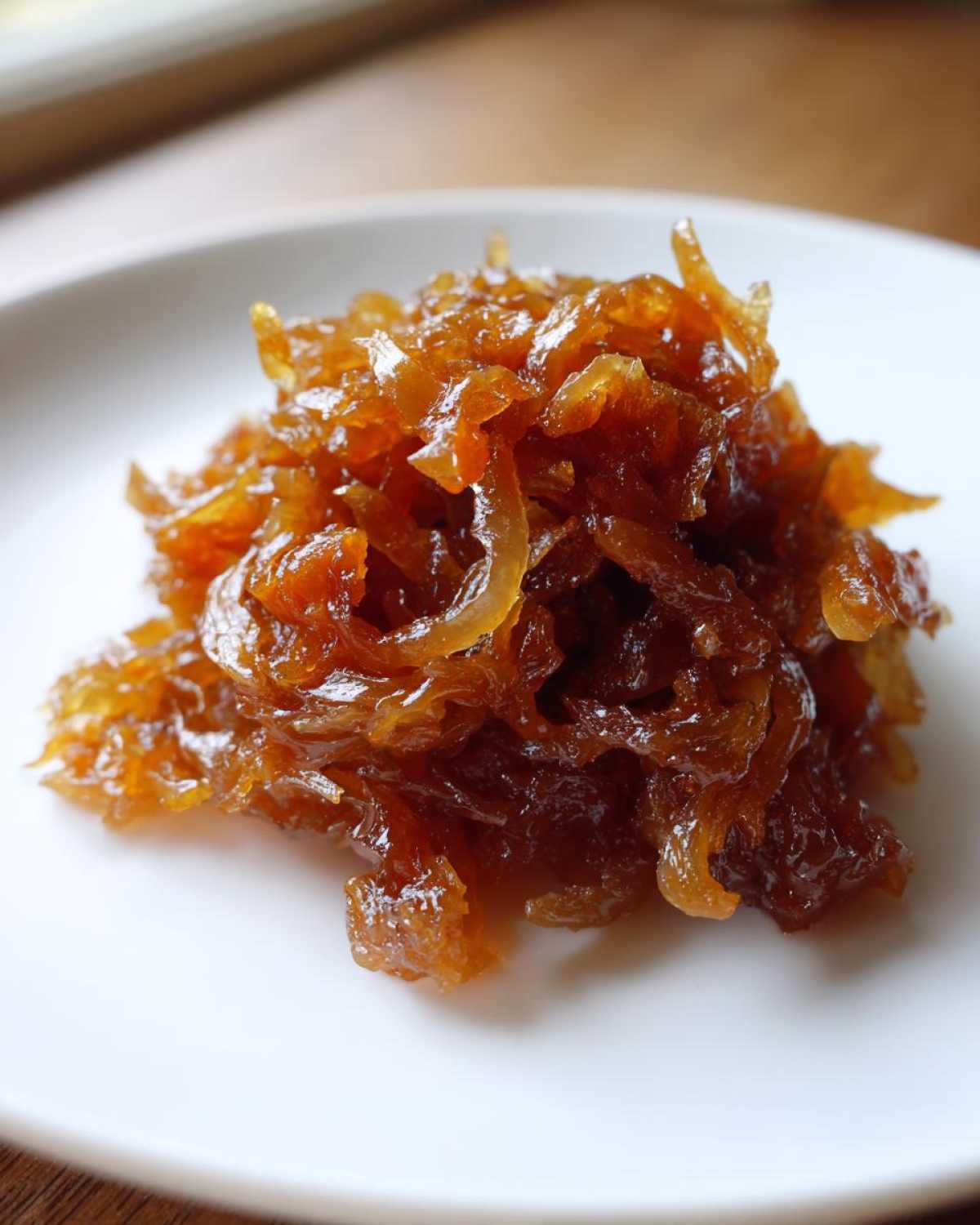
Don’t be afraid of the occasional scraping noise! If you see dark bits sticking to the bottom—that’s the fond—it means you’re building flavor. You want to scrape that up with a little water before it burns things. That’s the secret to amazing cooking tips for onions!
Ingredient Notes and Vegan Caramelized Onion Recipes
If you’re keeping things dairy-free, you should know that you can absolutely make vegan caramelized onion recipes using just olive oil instead of butter. My research shows that butter adds richness because of the milk solids, but oil works just fine for the caramelization itself. Just ensure you use a good quality olive oil so the flavor holds up across that long cooking time. It’s a great way to keep this staple versatile!
Using Your Savory Sweet Onion Topping in Recipes
Okay, you’ve done the hard work! You’ve created this beautiful, jammy batch of caramelized onions. Now, what do you do with them? This is where Ethan really shines because he wants to put this sweet onion topping on *everything*. Honestly, these are too good to just sit in the fridge; you have to use them as the flavor powerhouse they are.
The best part about having these ready to go is that they instantly upgrade a simple meal into something that tastes like you spent three hours meticulously cooking. Think of them as your secret weapon for weeknight gourmet magic. I’ve seen Ethan pile them high as an onion topping for burgers, and folks just lose it over the depth of flavor!
Idea 1: Base for French Onion Pasta Sauce
Ethan’s favorite way to use a massive batch is by turning them into a creamy base. You take about a cup of these sweet babies, sauté them a bit longer with some garlic, then toss them into a white sauce with some Parmesan. It makes the most incredible creamy onion pasta ingredient. It’s rich, savory, and truly decadent—way better than starting from scratch!
Idea 2: The Ultimate Caramelized Onion Dip Recipe
If you’re looking for a showstopper appetizer, this is it. Mix these onions right into softened cream cheese, maybe some Gruyere if you’re feeling fancy, and a touch of seasoning. It turns into the most unbelievably rich caramelized onion dip recipe. The natural sweetness balances the richness of the cheese perfectly. It’s a guaranteed party hit, and it takes literally two minutes to mix together once your onions are ready!
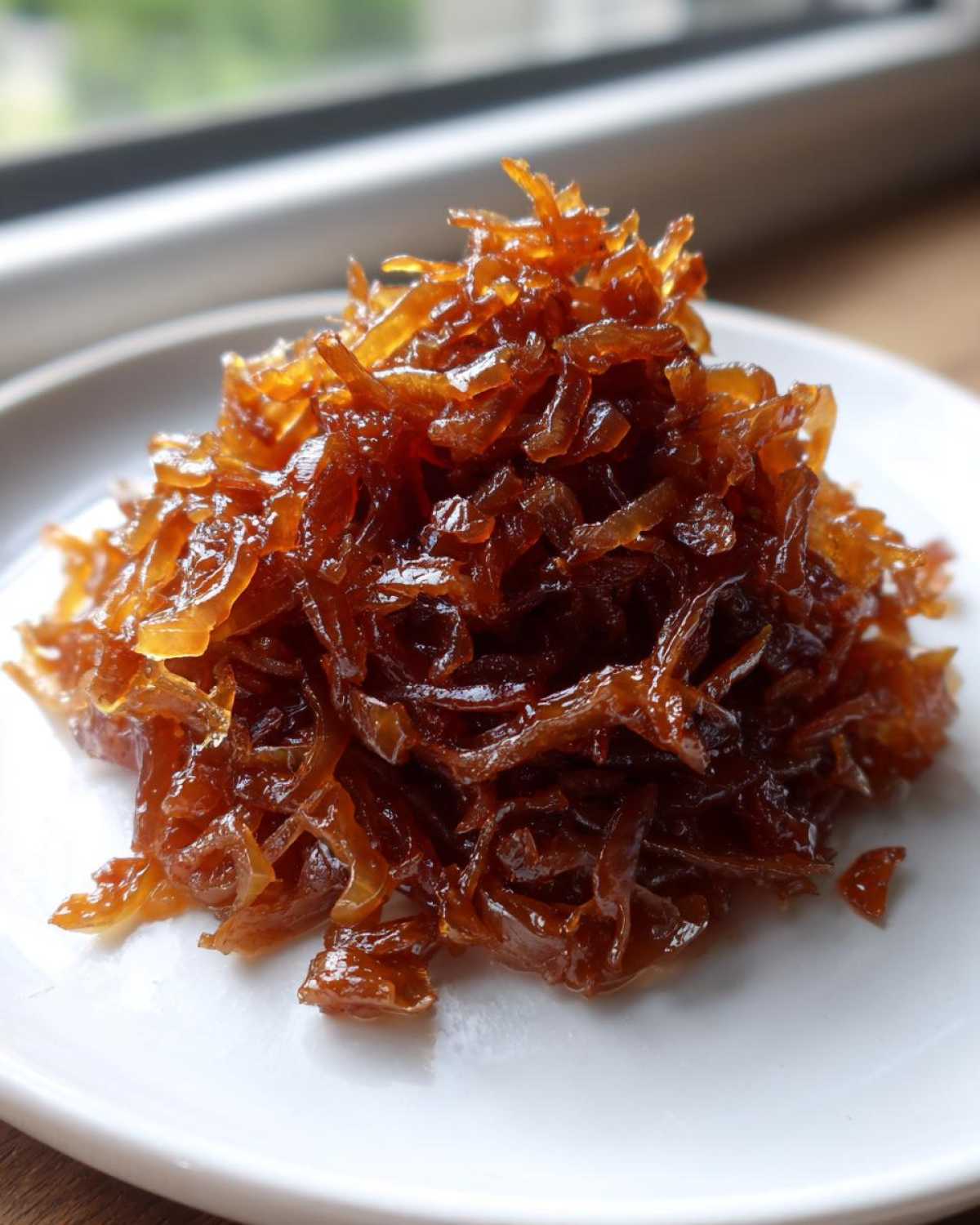
Don’t forget, if you want quick ideas on how to use onions made faster, check out this 3-Ingredient Caramelized Onions Recipe for inspiration!
Storage and Reheating Instructions for Caramelized Onions
So, you’ve made a huge, gorgeous batch of caramelized onions! Great job! Now you need to store them so they stay delicious for later. The great news is that these hold up really well. If you’re only keeping them for a few days, just pop them in an airtight container in the fridge. But honestly, they freeze like a dream—I often make a double batch just for the freezer!
When you’re ready to reheat them, do it gently on the stovetop over low heat. If you froze them, just thaw them overnight first. A quick blast in the microwave works too, but low and slow on the stove keeps their jammy texture perfect.
Estimated Nutritional Data for Caramelized Onions
I always tell people that while Ethan is cooking from instinct, I need the blueprint, so here is the research for our **caramelized onions**! Please remember these numbers are just estimates based on the recipe above—if you add extra oil or use a different type of onion, the final count will shift a bit. I find this helpful when planning meals!
- Serving Size: 1/4 cup
- Calories: 95
- Sugar: 11g
- Sodium: 180mg
- Fat: 5g
Common Questions About Making Caramelized Onions
I get so many questions about this process—it seems simple, but everyone worries they’re going to burn them! Don’t worry, we’ve covered the sticking points in our main guide, but here are a few quick answers to the things I hear most often about getting those perfect caramelized onions.
For example, people always ask how long it really takes. If you’re following the true slow method, plan on about 35 to 45 minutes of cooking time total. Quick hacks are faster, but they skip that deep umami flavor you’re really looking for!
Can I use Vidalia or other sweet onions for caramelized onions?
Yes, absolutely! Sweet onions like Vidalia have higher sugar content, which means they caramelize even faster than the standard yellow ones we used. Just watch the heat closely because they can brown quicker than you expect!
Another fun question I got last week was about turning these into a quick spread. Can you use this technique to make a homemade onion jam? You sure can! If you let them cook down even *longer* after they hit that deep brown stage and add just a tiny splash of balsamic vinegar at the end, they turn into a glorious jam perfect for crackers or cheese boards. If you have other questions for us, feel free to reach out through our contact page!
Sharing Your Perfect Caramelized Onions Creation
Whew! We did it! Now you have the secret to making the most incredible savory sweet onion topping! I really, really want you to try this technique. Once you nail the low-and-slow magic for your caramelized onions, please come back and drop a rating below. Let me know in the comments if you used them on your burgers or dunked them in a decadent dip! Happy cooking, everyone!
PrintThe Ultimate Guide to Perfect Caramelized Onions: From Sharp to Sweet
Learn the best way to cook onions sweet by mastering the technique for perfect caramelized onions. This guide covers the slow-cooked onions method to create a deep flavor kitchen staple perfect for dips, pasta, or as a gourmet onion side dish.
- Prep Time: 10 min
- Cook Time: 40 min
- Total Time: 50 min
- Yield: About 1.5 cups
- Category: Side Dish
- Method: Stovetop Sauté
- Cuisine: General
- Diet: Vegetarian
Ingredients
- 4 large yellow onions, thinly sliced
- 2 tablespoons unsalted butter
- 1 tablespoon olive oil
- 1 teaspoon salt
- 1/2 teaspoon sugar (optional, for faster browning)
- 1/4 cup water or vegetable broth (for deglazing)
Instructions
- Prepare the onions: Peel and slice the onions thinly and uniformly. Uniform slices help them cook evenly.
- Start the cooking process: Place a large, heavy-bottomed skillet over medium-low heat. Add the butter and olive oil. Once the butter melts, add the sliced onions and the salt.
- Initial softening: Stir the onions to coat them in the fat. Cook, stirring every 5 to 10 minutes, for about 15 minutes until the onions soften and become translucent. This step draws out moisture.
- Begin caramelization: Reduce the heat to low. Continue cooking, stirring every 5 to 8 minutes. The onions will start to turn pale gold. If the bottom of the pan starts to brown too quickly, add a tablespoon of water to scrape up the browned bits (this is flavor!).
- Deepen the color: Continue cooking slowly for another 20 to 30 minutes. Stir more frequently as they darken to prevent burning. If you are using sugar, add it during the last 10 minutes of cooking.
- Achieve deep flavor: The onions are done when they are deep brown, jammy, and significantly reduced in volume. This slow cooking process develops the savory sweet onion flavor.
- Deglaze (Optional): If the onions are sticking heavily, add 1/4 cup of water or broth to the pan, scrape up all the browned bits from the bottom, and cook until the liquid evaporates.
- Use immediately or store: Use your caramelized onions as a topping for burgers, as a base for French onion pasta sauce, or chill them for a caramelized onion dip recipe.
Notes
- For a quick onion hack, add a pinch of baking soda (about 1/8 teaspoon) with the salt to speed up the browning process, though the flavor will be slightly less complex than the slow-cooked onions method.
- These slow-cooked onions freeze very well. Cool them completely, place them in an airtight container, and freeze for up to three months.
- If you are making a vegan caramelized onion recipe, use only olive oil or vegan butter instead of dairy butter.
Nutrition
- Serving Size: 1/4 cup
- Calories: 95
- Sugar: 11
- Sodium: 180
- Fat: 5
- Saturated Fat: 2
- Unsaturated Fat: 3
- Trans Fat: 0
- Carbohydrates: 12
- Fiber: 2
- Protein: 1
- Cholesterol: 5