

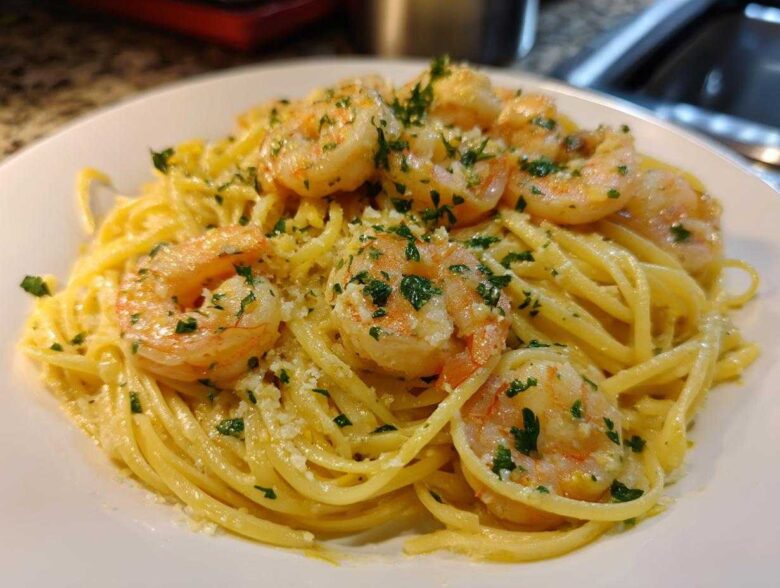
Oh, you know those nights, right? You walk in the door, you’re starving, and the *last* thing you want is a complicated recipe that takes an hour of constant attention. I used to feel like I had to choose between eating takeout or settling for bland pasta. Not anymore! I cracked the code on what I call my absolute favorite go-to meal. This recipe absolutely delivers that gorgeous, restaurant-style experience of Creamy Lemon Shrimp Pasta Fresh Flavor, but honestly, it’s faster than ordering delivery.
Trust me, I’ve messed up enough weeknight dinners to know what works. When you start using fresh ingredients, especially real lemon zest, the flavor just pops! This is the magic combo that leaves you feeling satisfied, not heavy. You finally get that decadence without the fuss. You can find some great general tips on making rich sauces over at our general creamy lemon pasta post, but this shrimp version is truly special.
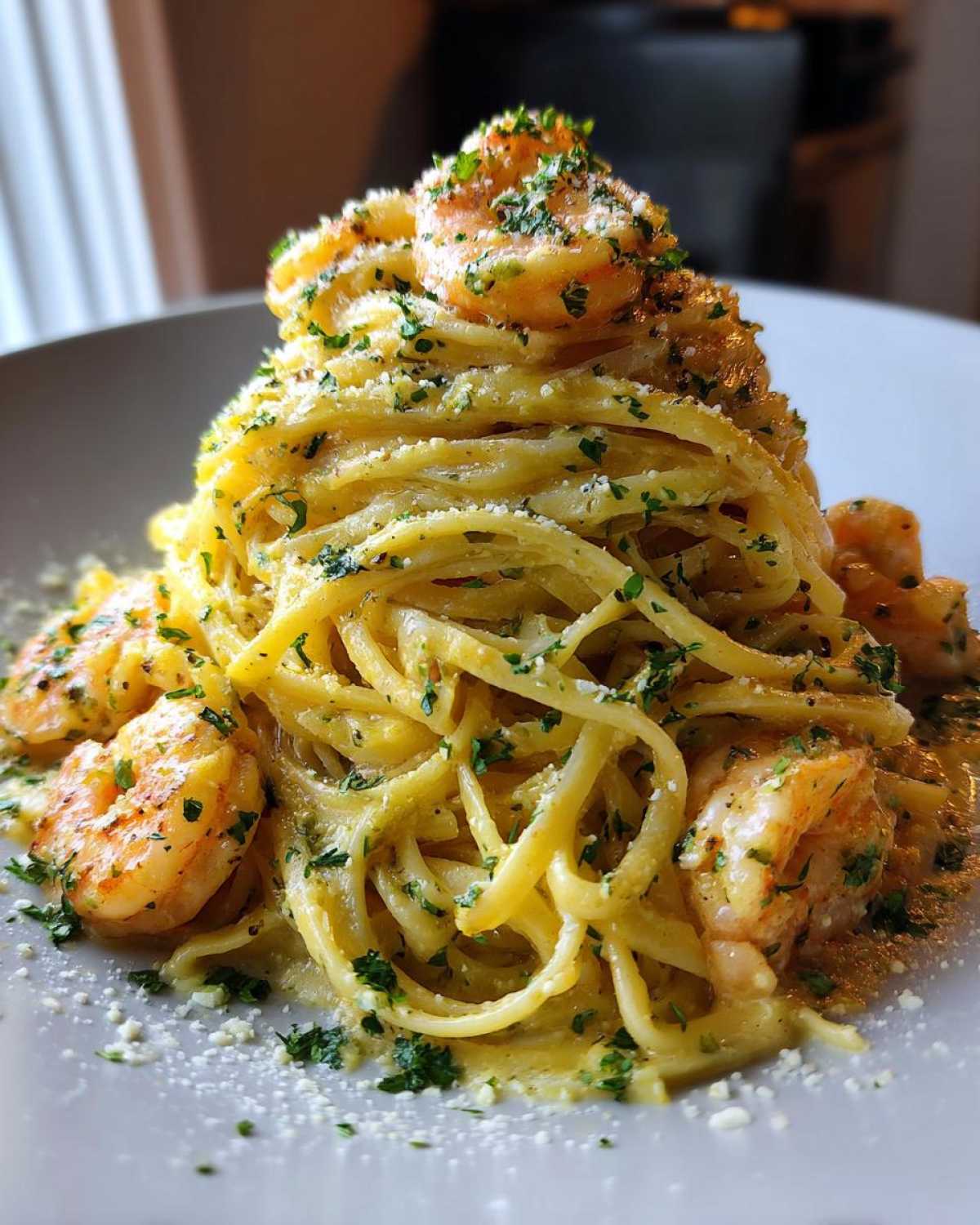
Why This Creamy Lemon Shrimp Pasta Fresh Flavor is a Weeknight Winner
Listen, I get it. Sometimes you just need dinner on the table, like, yesterday. This dish? It shines because it tastes like you spent hours at the stove, but truly, you didn’t. It’s gourmet flavor made fast, and that’s why I keep coming back to it when I’m busy.
Here’s the real lowdown on why this recipe beats those tired old canned sauces:
- It’s Seriously Fast: We’re talking under 30 minutes total time from start to finish. If you can boil water, you can make this! It’s the definition of a Quick weeknight shrimp dinner.
- The Flavor is Bright, Not Heavy: That creaminess is decadent, sure, but the heavy cream lightens up beautifully when paired with fresh lemon. It’s rich but doesn’t weigh you down. It feels celebratory!
- Real Lemon Impact: There is no substitute for fresh lemon zest and juice. Bottled stuff tastes flat, period. When you use fresh, the aroma alone makes your whole kitchen smell amazing.
- Perfect Texture Every Time: We talk about the sauce clinging perfectly to the linguine, not pooling sadly at the bottom of the bowl. That’s thanks to a little starchy pasta water magic we use later on.
Speed and Simplicity for Your Quick Weeknight Shrimp Dinner
I timed myself last Tuesday—I had rinsed the shrimp, chopped the garlic, and started the water before my kettle even finished boiling! With only 10 minutes of prep time, you can easily have this dish served and be sitting down to eat by the time most take-out places get your order ready. It proves you don’t need complicated techniques for amazing results.
Gathering Ingredients for Creamy Lemon Shrimp Pasta Fresh Flavor
Okay, now that you’re excited about dinner, let’s talk about supplies! I’ve listed everything you need below, but honestly, the secret to making this recipe sing is quality over quantity here. Since the ingredients are so simple, if one of them is weak, the whole dish suffers.
We’re making a stunning Lemon garlic pasta with shrimp tonight, so grab these things. I always keep these staples on hand, but the fresh lemon is non-negotiable—I’m serious!
You’ll need one pound of linguine or fettuccine; I prefer linguine because those long strands hold onto this creamy sauce perfectly. For the star, get one pound of nice large shrimp. Make sure they are peeled and deveined; nobody wants to stop to do that mid-cooking! You also need the basics: olive oil, salt, pepper, and that crucial tablespoon of butter for starting the sauce.
The liquids are simple: a half-cup of dry white wine—I usually just grab whatever cheap Sauvignon Blanc is open—or you can use chicken broth if you prefer not to cook with wine. Then comes the richness: one cup of heavy cream, and a half-cup of Parmesan cheese. Don’t use the shaker can stuff unless it’s a total emergency! Grating your own Parmesan makes a difference in how smoothly the sauce comes together.
Essential Components for the Best Fresh Lemon Pasta Sauce
If I had to break down the sauce into its star players, it would be these four things. Focus your energy here, and you nail the flavor profile every time. This is what gets us that beautiful, bright finish.
- The Shrimp: Gotta be plump and ready to go. We season them up lightly before they hit the pan, because they cook so fast!
- The Cream: Heavy cream, please! Half-and-half is too thin, and whole milk just won’t give you that luxurious coating we’re aiming for.
- The Zest and Juice: This is where the ‘fresh flavor’ kicks in. You need the zest of one whole lemon for aroma and oils, followed by three tablespoons of fresh juice for the tang. Don’t skip zesting; that bright yellow peel holds all the essential oils!
- The Aromatics: Four cloves of garlic, minced up. We cook these just until they smell amazing, never browned. Burnt garlic ruins the whole delicate balance of this creamy dish.
Preparing the Pasta and Shrimp for Creamy Lemon Shrimp Pasta Fresh Flavor
Alright, we’ve got our ingredients ready to go, so it’s time to get cooking! This entire process moves fast once you start, which is why having everything measured out is key. First things first, get that pasta water going. We need to cook our linguine until it’s perfectly *al dente*—that means it still has a little bite in the center, you know?
While that’s bubbling away, grab your biggest skillet. We’re heating up the olive oil, seasoning our shrimp really lightly with salt and pepper, and getting them in there! Shrimp cook in like, three minutes total. Seriously! They go from nearly raw to perfectly pink so quickly. The moment they curl up and turn opaque, take them OUT and toss them onto a plate. Do not leave them sitting in that hot pan while you make the sauce, or you’ll end up with tough rubber bands instead of sweet shrimp.
This is crucial for our **Creamy Lemon Shrimp Pasta Fresh Flavor**: keeping the shrimp tender means they just need a quick warm-up at the end. If you want some other ideas on cooking shrimp perfectly, check out this crispy shrimp recipe—it’s a different style, but the initial cooking technique is similar!
Expert Tip for Perfect Al Dente Pasta
I cannot stress this enough: before you drain that pasta, grab a mug and scoop out at least one full cup of that murky, starchy cooking water. This is my secret weapon, folks! That water is liquid gold because the starch acts like a natural emulsifier. When we add it later, it helps the cream and the fat bind together into a silky sauce instead of separating into oily puddles. If you forget this step, your beautiful sauce won’t cling to the pasta as well. Always save that water!
Building the Flavor Base: How to Make Creamy Lemon Sauce
Now we’re back to that skillet where the shrimp just hung out for a minute. If it looks a little dry, add that tablespoon of butter in with the olive oil you already have there. We need a nice little pool of fat to perfume everything. Add in your minced garlic—and I mean really mince it! Don’t let it sit too long; we only want it fragrant, maybe 60 seconds max until that wonderful garlic smell starts filling your kitchen.
Next up is the deglazing step, which sounds fancy but is really simple! Pour in that half-cup of white wine or broth. Turn the heat up just a tiny bit and let it bubble for a couple of minutes. You’re just simmering off the harsh alcohol taste and scraping up all those little brown shrimp bits stuck to the bottom of the pan—that’s pure flavor! I always make sure to check my guide on restaurant-style sauces if I need a reminder on how important this scraping step is.
Once that liquid has reduced slightly, drop the heat way down low. This is critical for the texture of our Creamy Lemon Shrimp Pasta Fresh Flavor; if the heat is too high when you add the dairy, it can curdle. Gently pour in the heavy cream and immediately add your lemon zest and that full measure of lemon juice. Swirl it around until it’s all warming up nicely.
Finally, sprinkle in that Parmesan cheese while stirring constantly. It melts down right into that hot liquid, creating the base for our incredible sauce. If it seems too stiff, grab that starchy pasta water we saved earlier and add a splash or two until it coats the back of a spoon beautifully. Remember what I always say: use fresh lemon juice only! Bottled juice just doesn’t give you that ‘zing’ needed to cut through the richness.
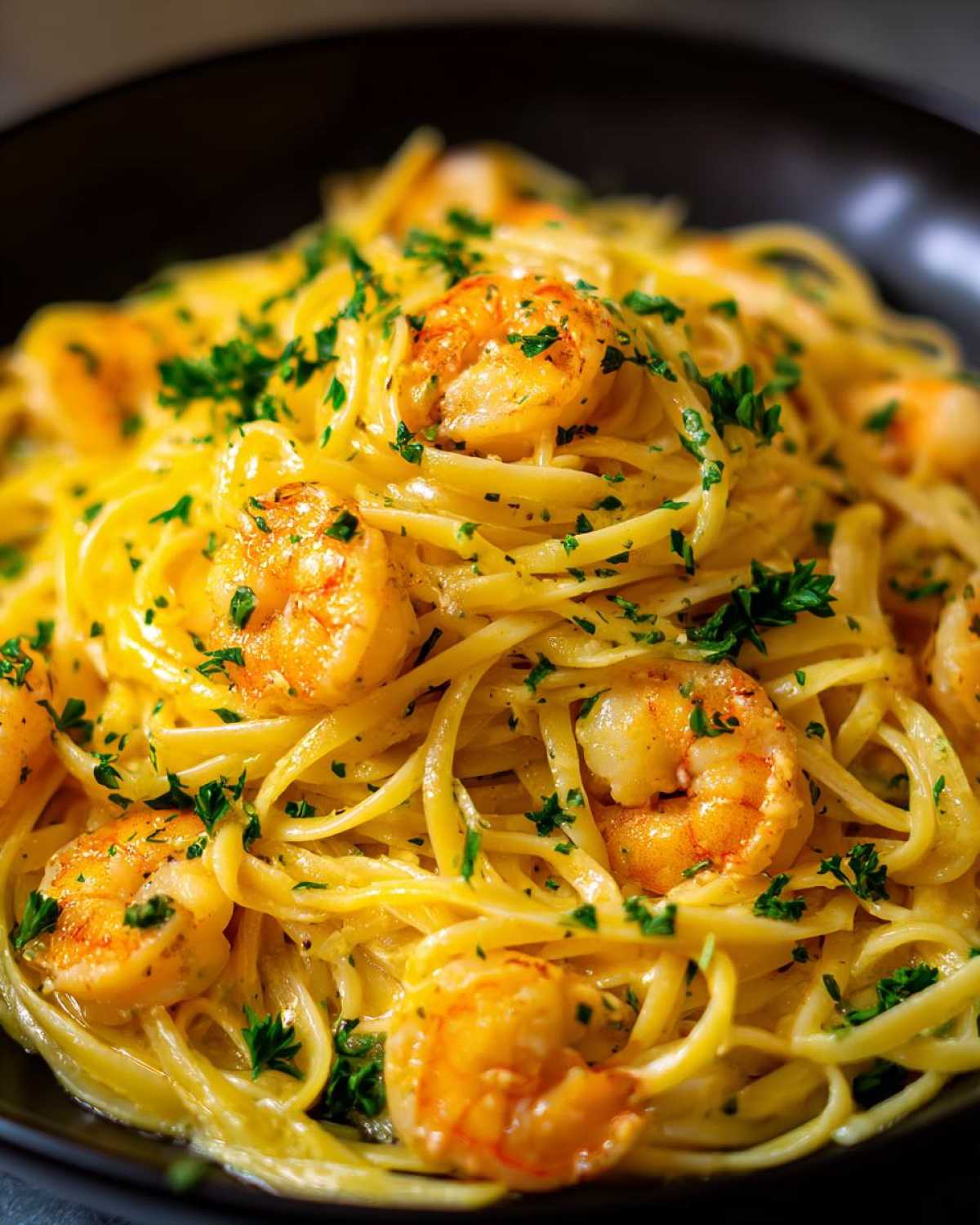
Combining Elements for the Ultimate Creamy Lemon Shrimp Pasta Fresh Flavor
Okay, this is the moment we’ve been waiting for! Everything comes together now and suddenly you’ve got dinner—a stunning, restaurant-quality bowl of Creamy Lemon Shrimp Pasta Fresh Flavor. You worked hard on that gorgeous sauce, so let’s get the other components integrated perfectly.
First, take those beautiful, plump shrimp you set aside earlier—they just need a little warm-up, not a full second cook, so toss them right back into that skillet with the creamy lemon sauce. They’ll warm up in about 30 seconds.
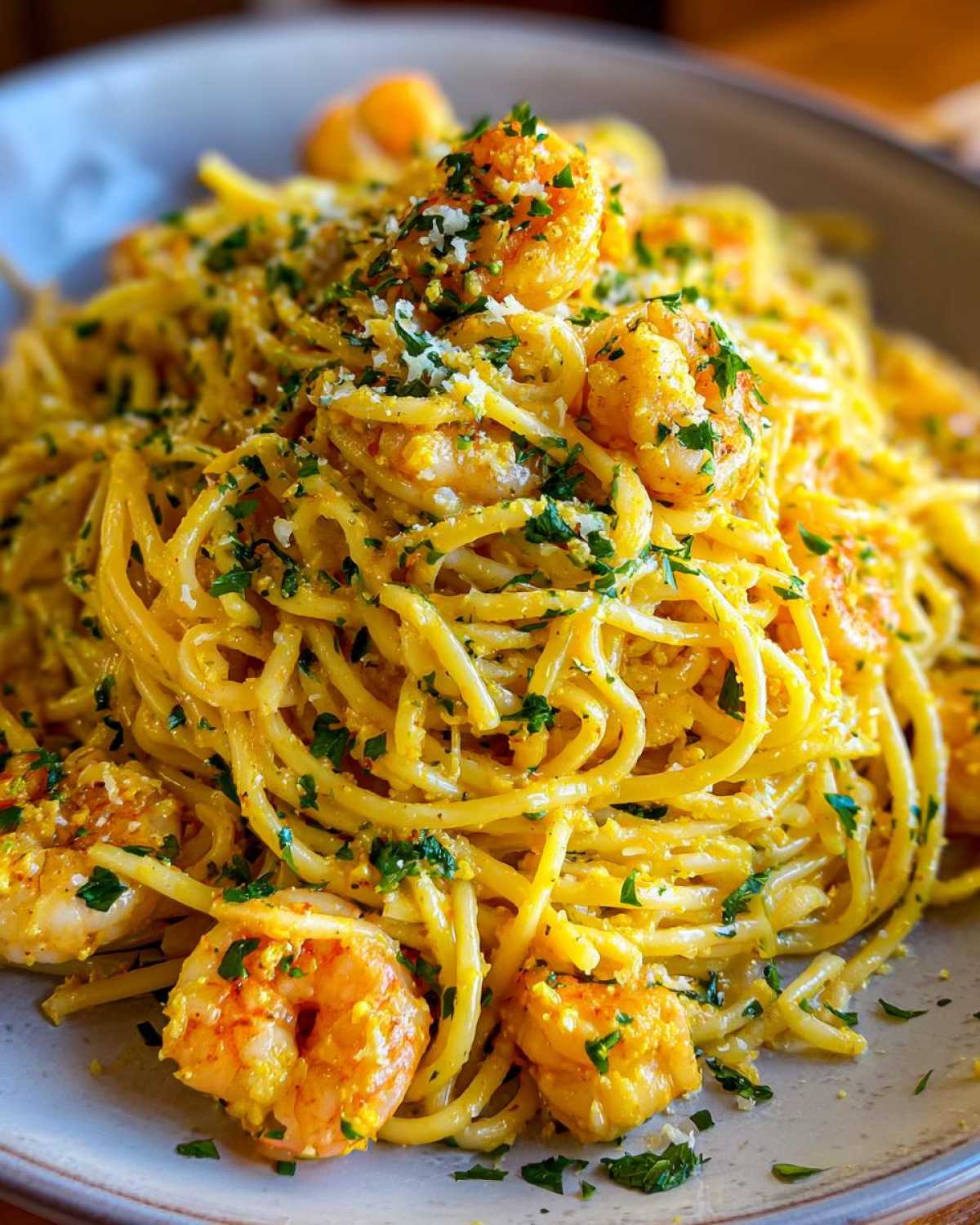
Next, take your drained, perfectly *al dente* pasta and add it right on top of the sauce and shrimp. Don’t be shy! If your sauce looks a little too tight—and this happens sometimes, especially if you didn’t save enough pasta water—now is the time to fix it. Drizzle in a small ladleful of that reserved starchy water and toss everything rapidly. That agitation, combined with the starch, helps the sauce hug every single strand of linguine. I mean, visually it’s stunning; the sauce just transforms into this luscious coating.
Once everything is coated and warm, turn off the heat immediately. We finish this dish with freshness, so scatter that bright, chopped fresh parsley all over the top. Don’t skimp! The green color against the pale yellow sauce and pink shrimp just makes it look professionally plated.
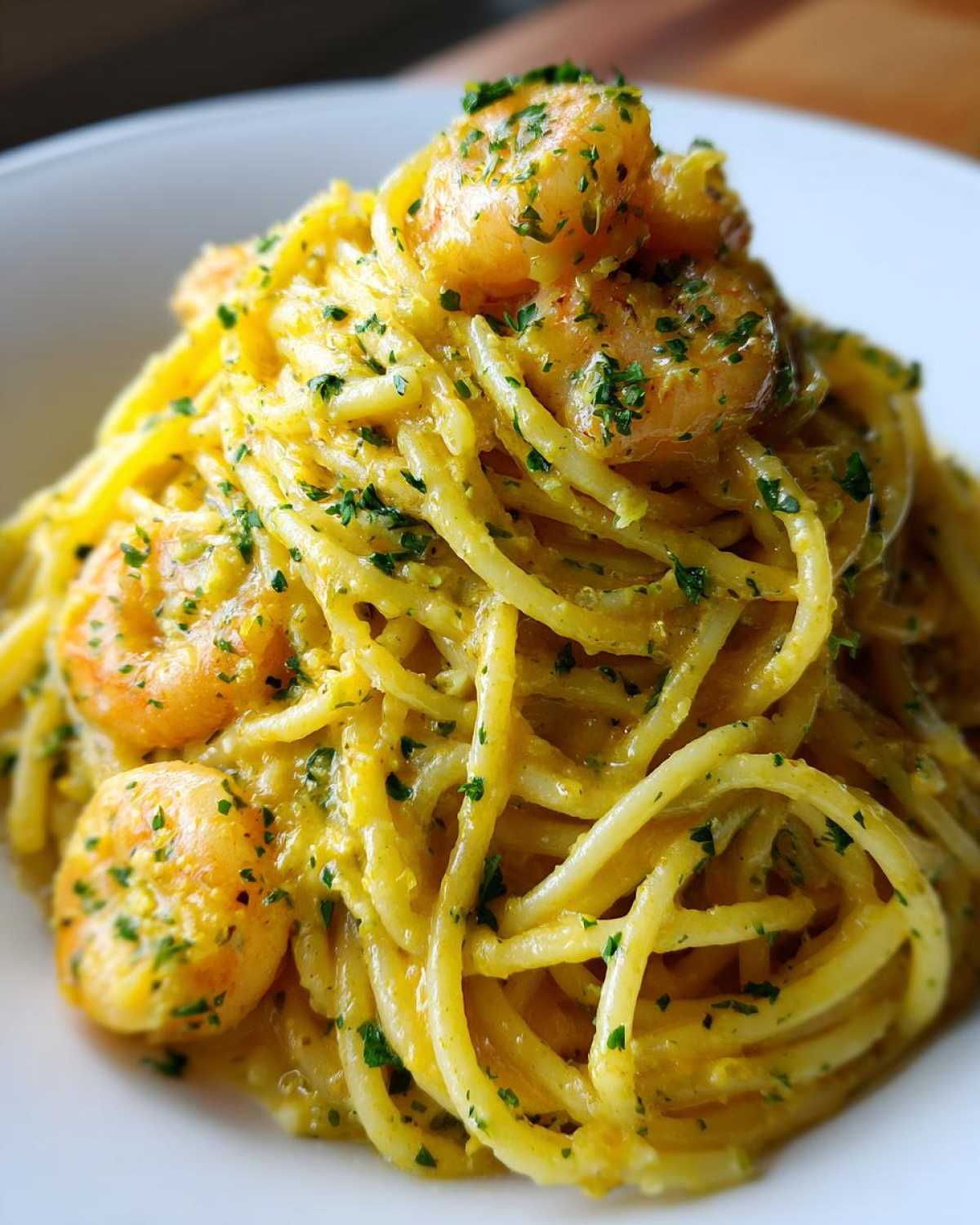
Give it one final, gentle toss to distribute that fresh parsley evenly. Then, taste it! This is where I usually add just a few more grinds of black pepper or maybe a tiny pinch of salt, depending on the saltiness of my Parmesan. I always make sure I serve this dish right away, ideally with a side of crusty bread to mop up any extra sauce (you know you’ll want to!). If you’ve got extra ideas for great pasta sides, check out my favorite creamy shrimp recipes here; sometimes I’ll even sneak in some sun-dried tomatoes!
Ingredient Notes and Substitutions for Your Pasta Dish
I always tell folks that a recipe is just a map; how you choose to drive matters just as much! Since we are working with such a simple list of ingredients for this Creamy Lemon Shrimp Pasta Fresh Flavor, making small adjustments can really impact the final texture. Here are a few things I’ve learned over the years when I’ve been short on one ingredient or wanted to change things up slightly.
For example, if you’re worried about the richness, you might think you can swap heavy cream for milk, right? Well, maybe, but you’ll lose that glorious, restaurant-style body! If you absolutely cannot get heavy cream, you can use half-and-half, but you’ll probably want to thicken it slightly at the end, maybe by adding a tiny bit more Parmesan or letting it simmer down just a touch longer. I’ve written about similar sauce adjustments when making my chicken piccata—it’s all about managing the liquid!
When it comes to the wine, that’s an easy swap, as long as you account for the missing acidity. If you use chicken broth instead of white wine, you forfeit that sharp, bright tang the wine brings to the party. Don’t panic, though! If you go the broth route, just stir in about one teaspoon of white vinegar or even a tiny squeeze of extra lemon juice right after the broth simmers. It mimics that necessary acidic lift.
And hey, about the Parmesan—if you’re worried about lumps, make sure that sauce is on the lowest possible heat before that cheese goes in. If it’s too hot, the cheese separates, and suddenly you’re not eating a decadent sauce but rather grainy dairy bits floating in oil. We want luxurious creaminess, not separation!
Serving Suggestions for this Easy Creamy Seafood Pasta
Okay, so you’ve plated up this gorgeous, bright, **Creamy Lemon Shrimp Pasta Fresh Flavor**, and now you’re wondering what else belongs on the table? You want sides that are going to complement that richness without fighting the fresh lemon so much. Think light, crunchy, or something great for soaking up every last bit of that sauce we worked so hard on!
Because this dish is already so satisfying and fills you up quickly—thanks to the cream and the pasta—you don’t need heavy sides. Keep it simple! I usually aim for something green to balance out all that wonderful richness.
The Perfect Salad Pairing
A simple green salad is my always-go-to companion for this pasta. The key here is the dressing. You definitely don’t want anything heavy or creamy—that would just be too much! You should lean into something acidic and sharp to cut through the cream sauce of the seafood pasta. A light vinaigrette is perfect.
I usually toss some crisp romaine or arugula with thinly sliced cucumber and maybe some shaved red onion. Then, I dress it with a super simple homemade vinaigrette. If you need a refresher on making a killer, bright dressing that won’t overpower your main dish, check out my favorite simple vinaigrette recipe. It uses Dijon mustard and white wine vinegar, and it’s amazing.
Must-Have Bread for Mopping Up Sauce
If I’m being honest, the best part of any great pasta dish is the sauce left behind, right? So, don’t let any of that creamy, garlicky, lemony goodness go to waste! You absolutely need something crusty and good for dipping.
I usually grab a fresh baguette and slice it thick. If I have five extra minutes, I brush those slices with a little melted butter mixed with garlic powder and toast them under the broiler until they are golden brown and crunchy. They turn into little flavor sponges! This is a non-negotiable step for me when serving any **easy creamy seafood pasta**.
A Little Something Extra for Color
If you want a tiny vegetable side that adds a pop of color and a little bit of roastiness, try some roasted asparagus or green beans. Toss them with just a drizzle of olive oil, salt, and pepper, roast them until they are tender-crisp, and serve them alongside the pasta. They stay light, they’re easy to eat, and they look beautiful on the plate next to that rich pasta!
Storing and Reheating Your Creamy Lemon Shrimp Pasta
Okay, this dish is almost too good to last, but if you manage to have leftovers—which is a win in my book because it means you made a big batch!—you need to treat this pasta gently when you try to revive it later. Dairy-based sauces, especially those whipped up quickly like ours, don’t always take kindly to being shoved into the fridge and then microwaved.
When they chill, the fats contract, and when you heat it up again, sometimes you get that dreaded separation where the sauce looks oily or grainy instead of smooth and clinging. We absolutely cannot have that happen to our beautiful **Creamy Lemon Shrimp Pasta Fresh Flavor**!
The best way to store leftovers is in a shallow, airtight container. Try not to pack it down too tightly. It should keep well in the fridge for about two days, but honestly, after that, the shrimp texture starts to change.
Reviving the Sauce for Reheating
This is the secret step! Do not, I repeat, do not just blast this pasta in the microwave for two minutes straight. That guarantees a rubbery shrimp and a stiff, broken sauce. We need gentle heat and added liquid.
When you go to reheat your portion, put it in a small saucepan over *very* low heat. This allows the sauce to relax slowly. Before you even turn the burner on, stir in just a tiny splash of something wet. You can use a little bit of milk, a splash of half-and-half, or even just a spoonful of water or broth.
Stir constantly while heating until it’s just warm through. You’ll see that little bit of added liquid coax the sauce back into its creamy texture. If it still looks a bit too tight after warming, add another half-teaspoon of whatever liquid you are using!
Can I Freeze Leftovers?
I would strongly advise against freezing this particular dish, friends. Shrimp texture just doesn’t freeze and thaw well, especially when coated in a dairy-heavy sauce. It gets mealy when reheated, even if you manage to save the cream sauce.
If you want to save ingredients for later, the best bet is to cook the pasta and freeze it separately, and make a small batch of the lemon cream sauce without the shrimp. When you’re ready to eat, thaw the pasta, reheat the sauce gently, quickly sear some fresh shrimp, and toss it all together again. That way, you keep that fresh flavor profile intact!
Frequently Asked Questions About This Recipe
I always get tons of questions after people try making this **Creamy Lemon Shrimp Pasta Fresh Flavor**! It’s an easy recipe, but like any good emulsion sauce, timing matters. I’ve collected the ones I hear most often right here to make sure your experience is wonderful, whether this is your first time making a creamy sauce or your tenth. Let’s get those last burning questions answered before you get back to the kitchen!
If you’re looking for general legal stuff that tastes very different from the recipe itself, you can check out the site disclaimer, but let’s stick to cooking tips for now!
Can I substitute the shrimp for another protein in this Creamy Lemon Pasta?
Oh, absolutely! This is a fantastic base for almost any protein, especially if you want an **easy creamy seafood pasta** vibe. You can easily swap the shrimp for boneless, skinless chicken breast cut into bite-sized cubes. Since chicken takes longer to cook than shrimp, you’ll want to sear it until it’s golden brown and cooked all the way through *before* you remove it from the pan. Then you’ll follow the exact same procedure for building the sauce.
If you want to stick with seafood, scallops work beautifully too! They cook almost as fast as shrimp, so cook them just until they have beautiful color on both sides—maybe 90 seconds per side—and then remove them quickly. Since scallops are a bit more delicate, they just need that quick warm-up when you add them back in at the very end with the already cooked pasta.
How do I ensure my sauce stays smooth and doesn’t break?
This is my favorite question because it gets to the heart of making sauce confidence! The biggest culprit for a broken, grainy sauce is heat. Remember how I stressed turning the heat to low before adding the cream and cheese? You need to keep that heat very, very low when you introduce the Parmesan.
When the heat is too high, the proteins in the cheese seize up and separate from the fat, which is what gives you that oily mess instead of a unified, silky coating. So, rule of thumb: Cream on low, melt the cheese on low, and only increase the heat slightly when you are using the starchy pasta water to thin it out, but even then, keep it moderate. If you keep that temperature gentle and consistent when adding dairy and cheese, you will always end up with that perfect **best fresh lemon pasta sauce** consistency that clings to the linguine.
Can I make this dish spicier than the standard Lemon Garlic Pasta with Shrimp?
Yes! If you love a little heat along with your richness, this is easy to adjust. The best way to add spice without affecting the texture of the sauce is by adding red pepper flakes right when you add the garlic. Toss a generous pinch—or maybe up to half a teaspoon, depending on your spice tolerance—into the hot oil with the garlic. This blooms the flavor of the flakes and infuses that subtle heat throughout the base oil before we even get to the wine.
That way, the spice is evenly distributed, and you get a beautiful slow burn that complements the lemon instead of overpowering it. I sometimes add a tiny pinch right at the end, too, but cooking the pepper flakes early guarantees a deeper flavor profile!
PrintCreamy Lemon Shrimp Pasta with Fresh Flavor
A simple recipe for creamy shrimp pasta featuring a bright, fresh lemon sauce perfect for a quick weeknight meal.
- Prep Time: 10 min
- Cook Time: 20 min
- Total Time: 30 min
- Yield: 4 servings
- Category: Dinner
- Method: Stovetop
- Cuisine: Italian Inspired
- Diet: Vegetarian
Ingredients
- 1 pound linguine or fettuccine pasta
- 1 pound large shrimp, peeled and deveined
- 2 tablespoons olive oil
- 4 cloves garlic, minced
- 1/2 cup dry white wine or chicken broth
- 1 cup heavy cream
- 1/2 cup grated Parmesan cheese, plus more for serving
- Zest of 1 large lemon
- 3 tablespoons fresh lemon juice
- 1/4 cup fresh parsley, chopped
- Salt and black pepper to taste
- 1 tablespoon butter
Instructions
- Cook the pasta according to package directions until al dente. Reserve 1 cup of the pasta water before draining.
- While the pasta cooks, season the shrimp lightly with salt and pepper.
- Heat the olive oil in a large skillet over medium heat. Add the shrimp and cook for 2-3 minutes per side until pink and cooked through. Remove the shrimp from the skillet and set aside.
- Add the butter and minced garlic to the same skillet. Cook for 1 minute until fragrant, being careful not to burn the garlic.
- Pour in the white wine or broth and let it simmer for 2 minutes, scraping up any browned bits from the bottom of the pan.
- Reduce the heat to low. Stir in the heavy cream, lemon zest, and lemon juice. Let the sauce warm through for 2 minutes.
- Stir in the Parmesan cheese until the sauce is smooth. If the sauce is too thick, add reserved pasta water, one splash at a time, until you reach your desired consistency.
- Return the cooked shrimp to the skillet. Add the drained pasta and toss everything together to coat well.
- Stir in the fresh parsley. Taste and adjust seasoning with salt and pepper if needed.
- Serve immediately with extra Parmesan cheese on top.
Notes
- For a richer sauce, substitute half-and-half for the heavy cream, but you may need less pasta water.
- Use fresh lemon juice; bottled juice will not provide the same bright flavor.
- If you do not use wine, use chicken broth and add 1 teaspoon of white vinegar for a slight tang.
Nutrition
- Serving Size: 1 serving
- Calories: 650
- Sugar: 4
- Sodium: 550
- Fat: 30
- Saturated Fat: 16
- Unsaturated Fat: 10
- Trans Fat: 0.5
- Carbohydrates: 60
- Fiber: 3
- Protein: 38
- Cholesterol: 250