

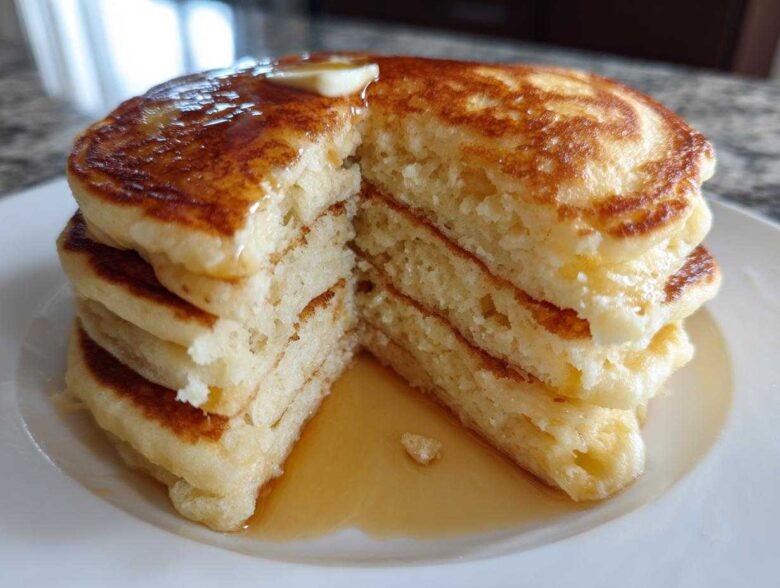
Oh, I know the feeling. You follow the recipe, you watch the batter carefully, and yet what lands on your plate is sad, flat, rubbery discs instead of the cloud-like breakfast you dreamed of. It’s the worst, especially when you’re trying to pull off a show-stopping weekend brunch! But trust me, that ends today. We finally figured out the secret to achieving truly fluffy pancakes that are thick, light, and airy every single time. That secret weapon, as I discovered in my research, is buttermilk.
Ethan, who cooks all on instinct, always insisted his mom’s way was best, but I needed the science behind it. So, here at Tasty Tipster, we brought our two styles together—my research balanced with Ethan’s know-how—to perfect this recipe. This isn’t just another recipe post; this is the blueprint for the *best breakfast pancakes* you’ll ever make from scratch. If you want to see our full story on how we merged our cooking styles, check out our About Us page!
Why This Buttermilk Pancakes Recipe Guarantees Fluffy Pancakes
I’m a researcher, so when Ethan’s pancakes were flat, I dug into the chemistry manuals—okay, maybe just a few really good food science blogs! What I found explains why this recipe works where others fail. It’s all about timing and ingredients starting a little chemical party in your bowl to create lift.
We rely on a powerhouse leavening team: baking powder *and* baking soda. Most recipes skip one or the other, but to get that truly light airy pancakes recipe texture we’re after, you need both working together. The baking powder does some heavy lifting on its own, but the baking soda needs an acid to kick in really hard and fast. That’s where the buttermilk swoops in to save the day!
The Science Behind Making Fluffy Pancakes Tall
Buttermilk is naturally acidic, see? When it hits the baking soda in the dry mix, it causes an immediate fizzing reaction. That fizz creates carbon dioxide bubbles that get trapped in our just-barely-mixed batter. Those trapped bubbles are what push the pancake up as it cooks, giving us those gorgeous, tall pancakes from scratch we love!
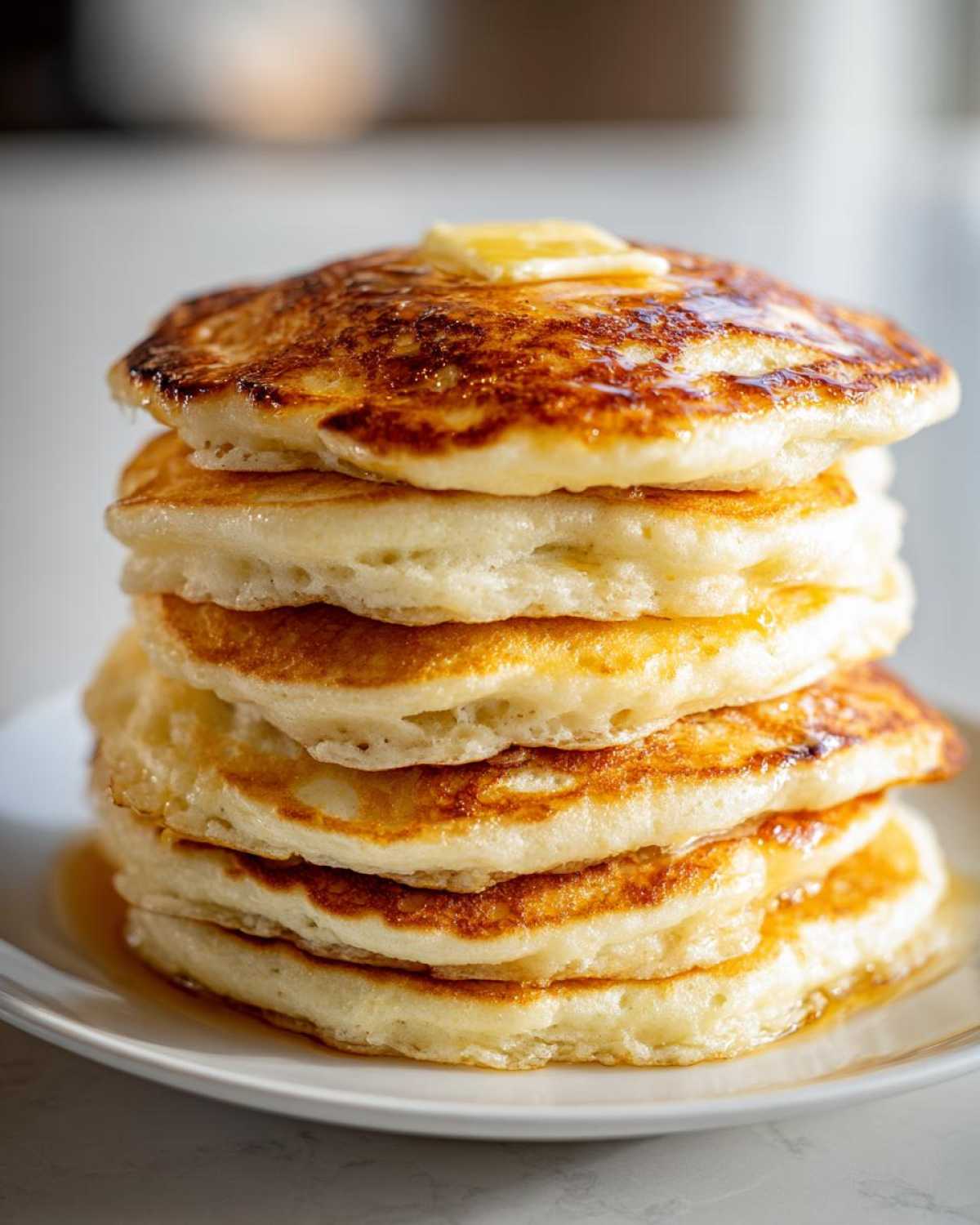
Gathering Your Ingredients for Thick Fluffy Pancakes
Okay, now that you know the science, let’s get tactical! Gathering these specific ingredients is the first big hurdle toward mastering truly thick fluffy pancakes. Ethan always keeps this list handy because he swears by pulling everything out before he even heats the skillet. We need those two cups of flour, the necessary teaspoon of baking soda, and those two full teaspoons of baking powder—don’t skimp here! Make sure your butter is melted and your vanilla is ready to go for that background warmth.
The measurements are all there in the recipe card, but remember: precision matters when we’re harnessing a chemical reaction!
Buttermilk Substitutions for Perfect Fluffy Pancakes
What if you don’t have buttermilk on hand? Don’t panic! Ethan usually foregoes a trip to the store for this by making what I call our emergency substitute. Just take your regular milk—two cups of it—and stir in two tablespoons of white vinegar or fresh lemon juice. Let that mixture sit on the counter for about five minutes until it looks a little curdled. Seriously, instant buttermilk for your easy homemade pancakes!
Step-by-Step Instructions for Perfectly Soft Pancakes
Alright, time to put the theory into practice! This is where we put all that good chemistry to work to make truly remarkable easy homemade pancakes. It’s not complicated, but the steps need to be followed loosely—we’re aiming for intuition here, not robotic precision (that’s my job, Ethan’s job is the actual flipping!). The whole cooking process flies by, so have your syrup warmed and your plates ready while you’re mixing!
First, whisk those dry ingredients really well to make sure the leavening agents are evenly spread out. Then, combine your wet stuff. When you bring them together, remember the mantra we learned: go slow and be gentle. And this is key: you must let the batter rest for 5 to 10 minutes afterward. That little break is when the magic happens, letting those agents activate so they can push those proteins upward!
The Critical Step: Mixing Wet into Dry for Fluffy Pancakes
This is the make-or-break moment for achieving those glorious peaks. When you pour the buttermilk mixture into the flour bowl, grab a whisk or a rubber spatula and fold everything together until it *just* combines. I’m talking about a few streaks of flour being visible—those are totally fine! If you mix until it’s perfectly smooth, you are developing gluten, which means tough, flat pancakes. We want tenderness, so lumps are friends in this stage.
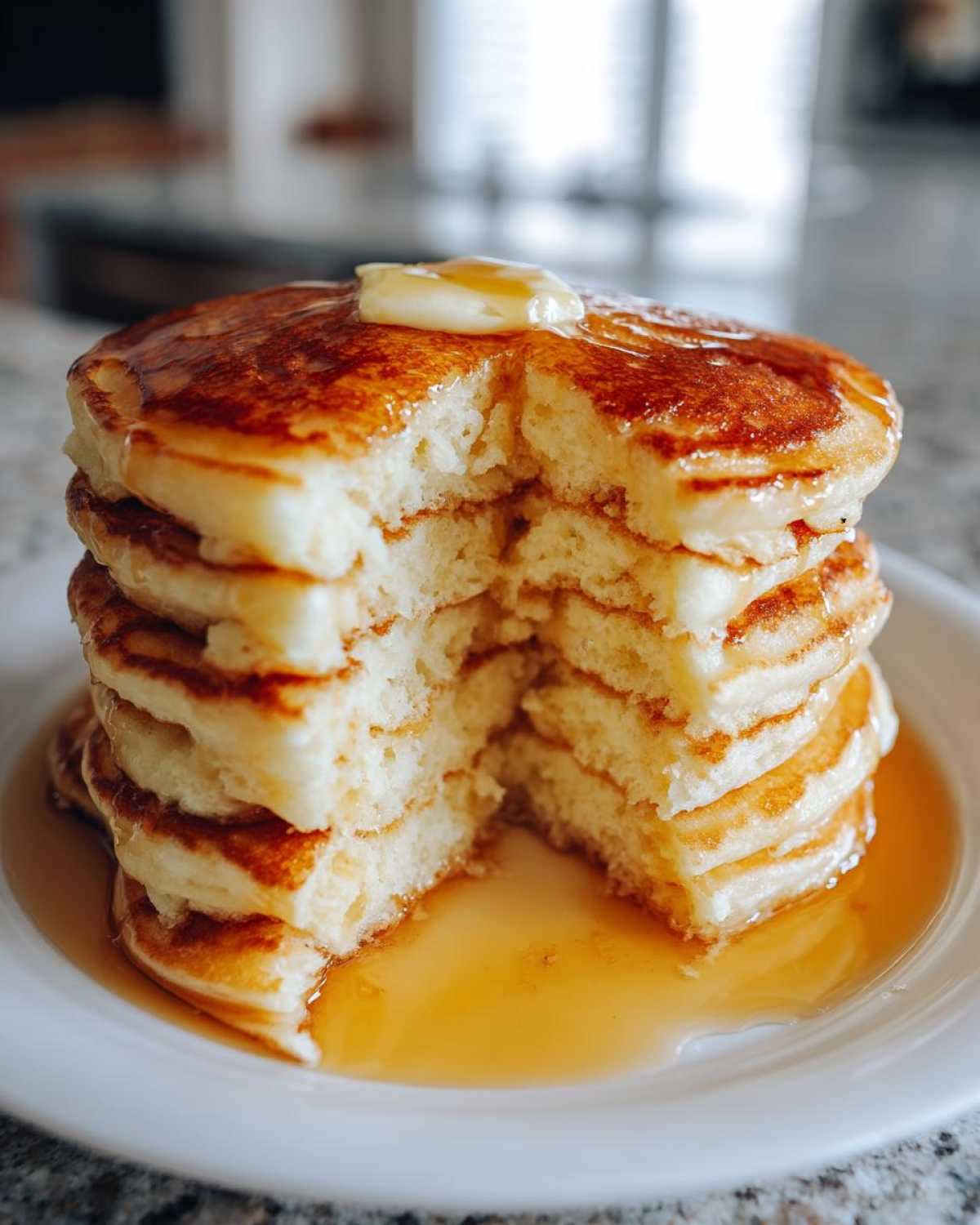
Griddle Temperature and Flipping Secrets for Tall Pancakes
Heating the griddle is crucial for those tall pancakes. Medium heat is your sweet spot; too low and they cook slowly and spread out, too high and they burn before the inside sets up to be tall! To test it, flick a tiny drop of water onto the surface. If it sizzles and evaporates quickly, you’re set to pour! Now for the flip. Wait patiently! You need to see bubbles pop up across the surface, and those edges need to look matte and dry. That means the bottom structure is solid enough to support the fluffy top when you turn it over for that final golden-brown kiss.
Expert Tips to Make Pancakes Fluffy Every Time
Okay, friends, if you’ve followed the batter steps but are still chasing that ultimate height, I’ve pulled out the extra-credit techniques that Ethan calls “The Scientist’s Secrets” to really help you make pancakes fluffy. These tips are about treating the ingredients with extra care right before they hit the heat. We want maximum air incorporation, so handle that batter like it’s spun glass. If you’re interested in other quick breakfast make-aheads, check out our recipe for discard pancakes!
These tricks are why this recipe has such high authority—it’s not just basic measurements; it’s deep knowledge. The best technique, hands down, is the one that separates the eggs. It sounds fussy, but the payoff is incredible!
The Egg White Trick for Cloud Like Pancakes Recipe Results
To get that jaw-dropping, jiggly tower effect—true cloud like pancakes recipe results—you need to treat your egg whites like meringue. Separate those two eggs. Whisk the yolks right into your buttermilk mixture like normal. But the whites? You whip those separately until they hold soft peaks. Then, when your batter is *almost* done mixing (just before the resting period), you gently fold those stiff whites in, making sure you don’t deflate all the air you just worked so hard to create. It’s the extra structure that guarantees lift!
Serving Suggestions for Your Best Breakfast Pancakes
Now that you have accomplished the pinnacle of breakfast perfection—truly best breakfast pancakes—the final step is the presentation! While Ethan insists that a huge pour of warm maple syrup is the only way to go for a true morning comfort food experience, I like to dress them up a little. Don’t feel limited to just syrup, though; these thick beauties can handle almost anything.
My favorite weekend brunch idea, which Ethan usually concedes is amazing, is piling ours high with fresh raspberries, a dollop of slightly tart Greek yogurt instead of whipped cream, and a tiny dusting of powdered sugar. It cuts through the richness perfectly. If you’re looking for something warm and fruity to go with this, you absolutely have to try my apple dapple cake sometime later in the day!
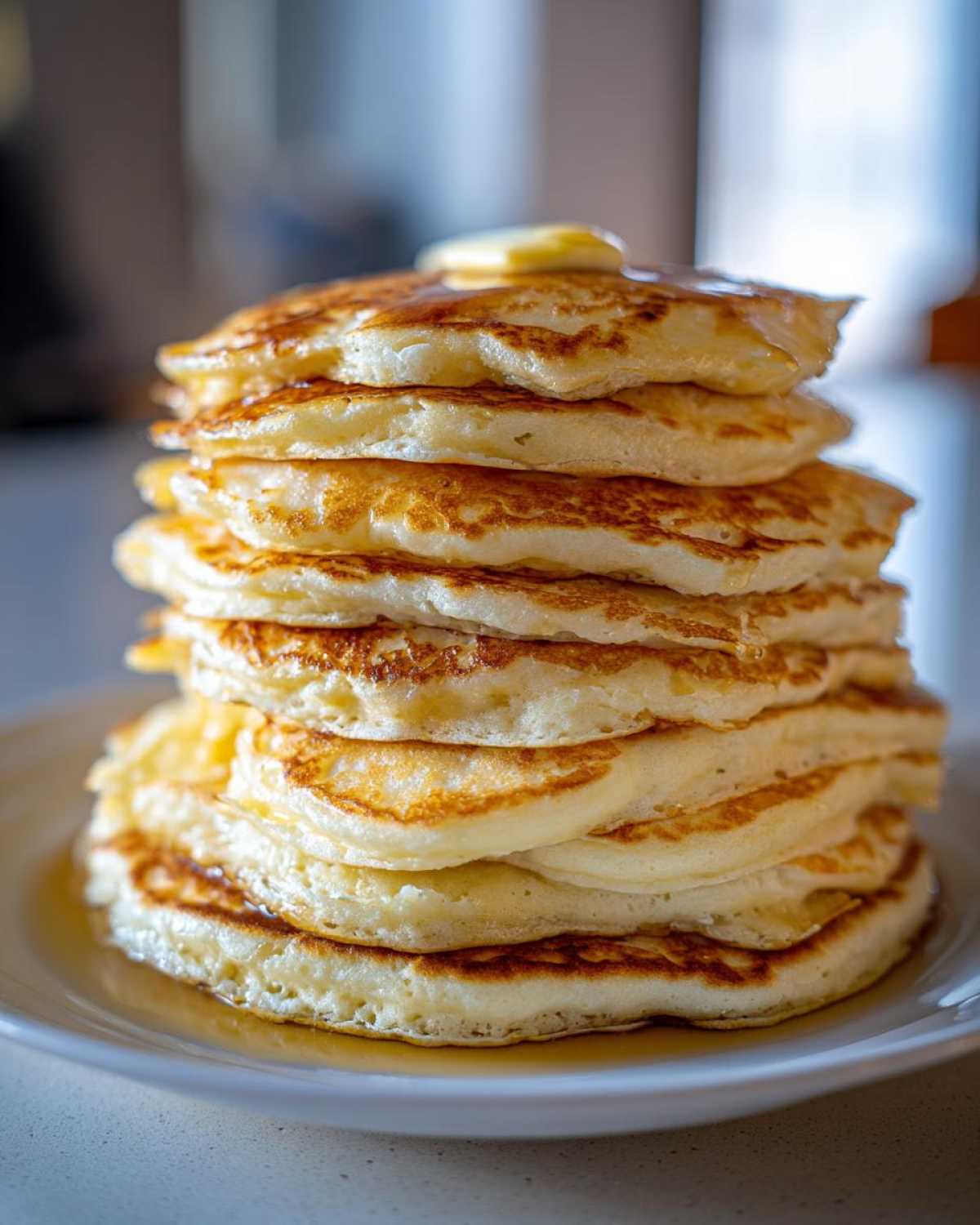
For a fun twist, try a little lemon curd spread between the layers. It adds a bright zinginess that makes these feel way fancier than standard easy homemade pancakes.
Storage and Reheating Instructions for Fluffy Pancakes
Even the most mammoth stack of these beautiful, fluffy pancakes rarely lasts past Sunday brunch. But if you do have leftovers, storing them right is crucial to keeping them soft. You can refrigerate them for up to three days in an airtight container, but honestly, freezing is better for long-term savings!
When freezing, make sure they are fully cooled first. Lay them in a single layer on a baking sheet to flash freeze for about an hour, then transfer them to a zip-top bag. This stops them from freezing into one massive pancake brick! If you need make-ahead ideas that are even easier, check out my tips for freezer-friendly breakfast sandwiches.
To reheat, skip the microwave if you can! Pop them straight into a toaster or briefly toast them in a dry skillet over medium heat. This brings back that perfectly soft texture—no sad, flat discs here!
Troubleshooting Common Fluffy Pancakes Issues
Even with the best recipe, sometimes things go sideways, right? That’s where my research phase kicks in to save the day! Ethan often gets frustrated when the batter spreads out like crepe mix, or when the finished product tastes chewy—the absolute opposite of the fluffy pancakes we crave. Don’t toss your batch just yet; we can usually fix these issues easily.
If your pancakes are spreading too thin, it almost always means your griddle temperature wasn’t quite high enough, or you didn’t let that batter rest long enough. That resting period is non-negotiable for height! A rubbery texture, however, signals one thing: overmixing. Remember what I said about lumps being your friend? If you whisked out every last lump, you developed gluten, and now you have tough discs instead of tender goodness.
If they burn quickly before cooking through, your heat is definitely too high. We want medium, nice and even heat so those lovely chemical bubbles have time to lift the batter up while the outside browns perfectly.
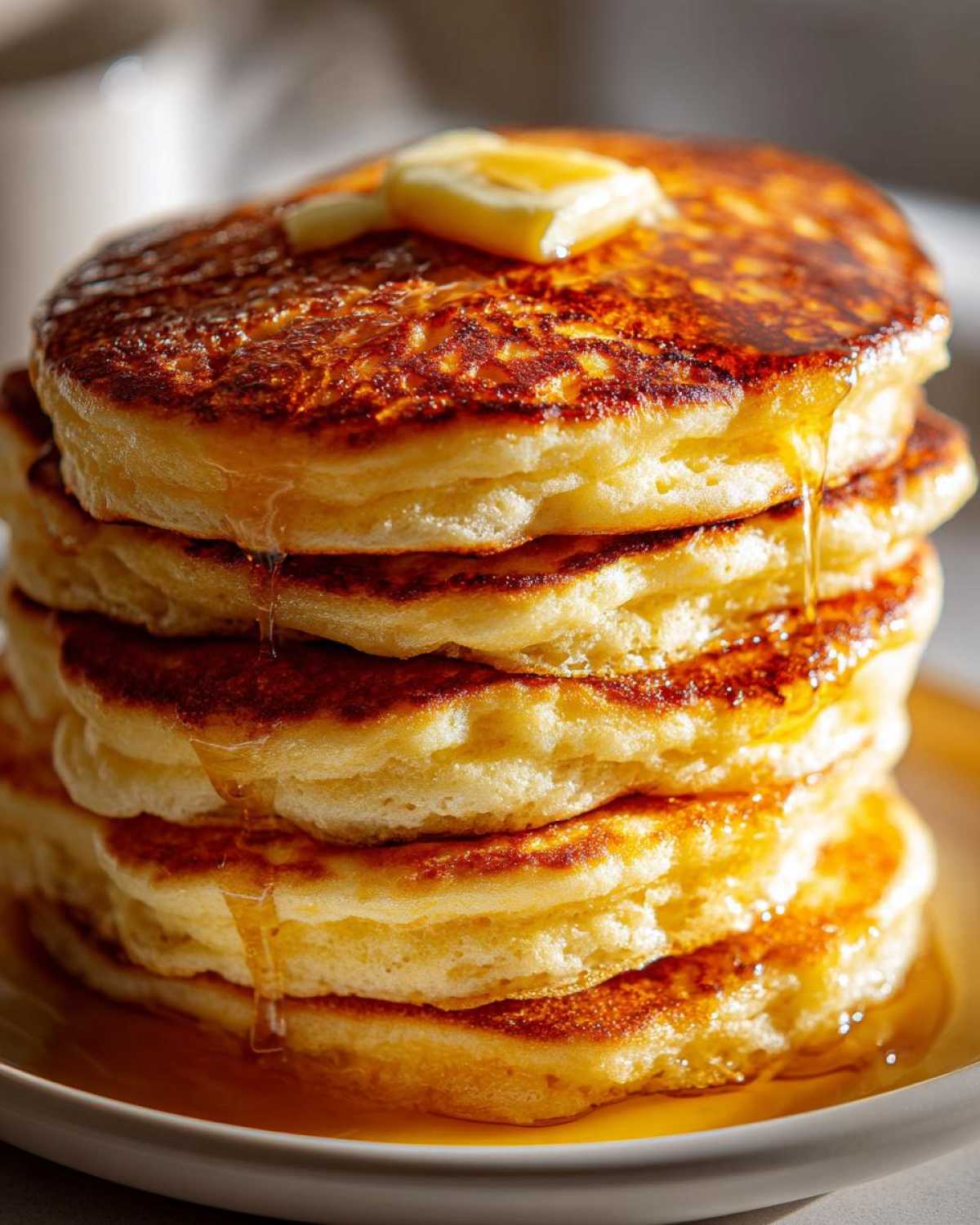
Frequently Asked Questions About Making Fluffy Pancakes
I know you might still have a few nagging questions floating around, especially if you’re planning a big crowd for your next weekend brunch ideas session. Ethan and I have fielded a ton of questions over the years about getting these thick fluffy pancakes just right, so I pulled the most common ones we get. Hopefully, this clears everything up so you can bake with total confidence!
If you’re looking for more inspiration for your next morning feast, we have tons of great breakfast recipes posted over on the site!
Can I use regular milk instead of buttermilk?
This is the #1 question, and honestly, yes, you absolutely can, but only if you make the substitute! If you just use regular milk straight from the carton, you won’t get that vital acid needed to activate the baking soda properly. That means less lift and ultimately flatter pancakes. Remember the simple trick: two cups of milk plus two tablespoons of vinegar or lemon juice left on the counter for five minutes does the trick. It’s super reliable for getting those perfectly soft pancakes!
What is the single most important thing that makes my pancakes thick?
It’s a tie between two things that work together! First, the leavening agents (baking powder and soda) need the buttermilk acid to bubble up big and fast. Second, and this might shock you, it’s about NOT mixing the batter into submission. If you overmix, you knock out all those hard-earned air bubbles, and you end up with dense, thin ones. A lumpy batter is a happy batter when aiming for tall pancakes from scratch!
How much do I need to rest the batter? Is 5 minutes enough?
Five minutes is the absolute minimum, but I usually push it to 10 minutes if I’m just prepping the griddle during that time. That rest period is when the baking powder gets to work building up the lift before the eggs and butter get too warm. If you skip it, you miss out on a significant portion of the rise you’re trying to achieve for those picture-perfect breakfast stacks.
Are Japanese Souffle Pancakes Different from These Fluffy Pancakes?
That’s a great question! Yes, they are quite different, and I totally get why people ask since those jiggly ones are everywhere! This recipe is designed for the classic, thick, American-style fluffy pancakes—the ones that are sturdy enough to hold a mountain of butter and syrup. Japanese souffle pancakes require extra steps, like slowly cooking them in rings or using whipped egg whites folded in very carefully, to get that signature wobbly, cake-like texture.
Nutritional Snapshot of Your Buttermilk Pancakes Recipe
Even though these are the most satisfying, melt-in-your-mouth breakfast treats, I know some of you are curious about the details! As the Head of Research, I always try to provide a baseline for what you’re putting on the table. Ethan jokes that flavor matters more than fiber, but I think it’s important to see the full picture for these thick fluffy pancakes.
Here is a general nutritional breakdown for two of these amazing pancakes, served plain. Remember, this is just an estimate, and everything changes once you start adding butter for cooking, syrup, or loads of fruit!
- Serving Size: 2 pancakes
- Calories: 320
- Protein: 10g
- Total Fat: 10g (5g Saturated)
- Carbohydrates: 48g
- Fiber: 2g
- Sugar: 8g
We keep the sugar relatively low here, which helps those savory/sweet buttermilk notes really shine through. This transparency is just part of our commitment here at Tasty Tipster to give you research-backed recipes that taste incredible. Enjoy every single bite of your easy homemade pancakes!
PrintThick Buttermilk Fluffy Pancakes From Scratch
Learn how to make the best fluffy pancakes that are thick, light, and airy every time using this simple buttermilk recipe. This is your guide to perfectly soft breakfast pancakes.
- Prep Time: 10 min
- Cook Time: 15 min
- Total Time: 25 min
- Yield: About 10 pancakes
- Category: Breakfast
- Method: Griddling
- Cuisine: American
- Diet: Vegetarian
Ingredients
- 2 cups all-purpose flour
- 2 teaspoons baking powder
- 1 teaspoon baking soda
- 1/2 teaspoon salt
- 2 tablespoons granulated sugar
- 2 cups buttermilk
- 2 large eggs
- 2 tablespoons melted unsalted butter
- 1 teaspoon vanilla extract
- 2 tablespoons butter for cooking
Instructions
- In a large bowl, whisk together the flour, baking powder, baking soda, salt, and sugar. This step helps distribute the leavening agents for maximum rise.
- In a separate medium bowl, whisk together the buttermilk, eggs, melted butter, and vanilla extract until combined.
- Pour the wet ingredients into the dry ingredients. Mix gently with a whisk or spatula until just combined. Do not overmix; a few lumps are okay. Overmixing develops gluten, which makes pancakes tough instead of fluffy.
- Let the batter rest at room temperature for 5 to 10 minutes. This allows the baking powder and soda to activate, making your pancakes taller.
- Heat a griddle or large non-stick skillet over medium heat. Lightly grease the surface with butter or cooking spray. The griddle is ready when a drop of water sizzles immediately.
- Pour 1/3 cup of batter onto the hot griddle for each pancake. Do not crowd the pan.
- Cook for 2 to 3 minutes per side. You know it is time to flip when bubbles appear on the surface and the edges look set.
- Flip the pancakes and cook for another 1 to 2 minutes until golden brown and cooked through.
- Serve immediately stacked high with your favorite toppings for the best melt in your mouth breakfast experience.
Notes
- For extra tall pancakes, separate the eggs. Whisk the yolks into the buttermilk mixture, and then gently fold the stiffly beaten egg whites into the finished batter right before cooking.
- Use a light touch when mixing the batter. The goal is to combine, not smooth. This keeps the final product light and airy.
- If you do not have buttermilk, mix 2 cups of regular milk with 2 tablespoons of white vinegar or lemon juice. Let it sit for 5 minutes before using.
Nutrition
- Serving Size: 2 pancakes
- Calories: 320
- Sugar: 8
- Sodium: 450
- Fat: 10
- Saturated Fat: 5
- Unsaturated Fat: 5
- Trans Fat: 0
- Carbohydrates: 48
- Fiber: 2
- Protein: 10
- Cholesterol: 90