


I want you to picture the absolute perfect slice of cake. It’s not dry, it doesn’t crumble into dust the second you touch it, and it doesn’t taste like perfume. I’m talking about that buttery, incredibly dense, yet somehow impossibly light bite of sunshine we call the lemon pound cake. That’s what we nailed here, folks.
This recipe—our very best lemon pound cake recipe—gets its legendary moisture from that secret ingredient, sour cream, and the intensity comes from triple the amount of fresh lemon zest you think you need. When Ethan (my husband and our Chief Flavor Officer) and I first tried combining his grandmother’s technique with my research notes, we knew we had struck gold. It’s the perfect harmony of gut instinct and carefully tested science, resulting in the most flavorful, moist lemon pound cake ever.

Forget those thin, dry loaves you get at the grocery store. This homemade lemon loaf cake is rich, deeply flavorful, and waiting for that shiny, tangy lemon icing. Seriously, you won’t believe how zesty this cake is!
Why This is the Best Lemon Pound Cake Recipe You Will Ever Make
We spent months chasing the perfect bite, trying to figure out how to create a truly moist lemon pound cake that held its shape. Ethan kept trying to rely on traditional methods, but they always resulted in something just a little too heavy. My research, on the other hand, kept pointing to dairy fats for tenderness, but when we added the sour cream—wow. That was the game-changer!
This recipe isn’t just *good*; it’s the best lemon pound cake recipe because we balanced Ethan’s feel for mixing with the science of moisture. The richness isn’t just from the butter; it’s the full-fat sour cream that tenderizes the crumb while balancing the intense citrus. That’s why we call this a truly zesty lemon cake. Speaking of how we work together, you can read a bit more about our dynamic over on our About Us page!
I remember one attempt where we almost gave up. The cake looked fine, but when we cut it, it was a little firm. Ethan, remembering something his aunt said about beating air into batters, decided we needed to cream the butter and sugar for five full minutes, no cheating. That extra aeration locked in the wet ingredients perfectly. Trust me on this one: we built this ultimate lemon pound cake step by step!
Key Secrets for a Perfectly Moist Lemon Pound Cake
If you want that signature velvety crumb of a fantastic sour cream pound cake, pay attention to the temperature of your ingredients first. This is Maya’s research coming in hot: Cold butter or cold eggs simply will not cream properly with the sugar. They won’t make those crucial little air pockets, and that’s where your structure comes from!
The sour cream does double duty in this homemade lemon loaf cake. It adds necessary fat, which coats the flour proteins, stopping gluten from developing too much, which keeps the cake soft. That is the science behind why you get such a moist crumb.
And please, please, please—do not overmix once the flour goes in! Once you start alternating the dry ingredients with the sour cream mixture, mix only until you see the last streak of flour disappear. Overmixing develops gluten, and gluten is the enemy of a tender pound cake recipe from scratch. We want buttery lemon cake, not bread!
Gathering Your Ingredients for the Ultimate Lemon Pound Cake
Okay, we’ve talked texture, now let’s talk flavor because a lemon pound cake without that huge burst of citrus is just a sad, yellow cake, right? Ethan always says, “If you’re going to bake a lemon cake, you have to commit to the lemon!” That means ditching the bottled stuff whenever possible. For this recipe, we are demanding fresh zest and fresh-squeezed juice because that bright, zesty punch is what sets our lemon pound cake apart.
Gathering everything upfront—what I call Mise en Place—is key for a smooth bake. Since we need to alternate ingredients later, having everything measured and ready prevents you from accidentally using melted butter or skipping the zest. Here is what you need for this beautiful, buttery lemon cake.
You will need:
- 1 1/2 cups (3 sticks) unsalted butter, softened
- 3 cups granulated sugar
- 6 large eggs, room temperature
- 1 tablespoon fresh lemon zest (from about 3 lemons)
- 1/4 cup fresh lemon juice
- 1 cup full-fat sour cream
- 1 teaspoon vanilla extract
- 3 cups all-purpose flour
- 1 teaspoon baking powder
- 1/2 teaspoon salt
- For the Glaze: 2 cups powdered sugar
- For the Glaze: 1/4 cup fresh lemon juice
If you’ve been looking for a great lemon dessert recipe that isn’t pasta, this is it!
Ingredient Notes and Substitutions for Your Lemon Pound Cake
This recipe is sturdy, but a few ingredients really need to be respected for the outcome you want. First, that zest! Don’t just grate the yellow part; try to avoid getting too much of the white pith underneath. The pith is bitter, and we want pure, intense lemon flavor for this zesty lemon cake.
Second, let’s talk about the dairy. We specified full-fat sour cream because it brings the best balance of acid and fat necessary for reacting with the baking powder and keeping things moist. Can you substitute? Sure, but listen to my research here: If you use buttermilk instead of sour cream for your sour cream pound cake, you might lose a little richness and the final product can be slightly more crumbly. If you absolutely must swap, then use buttermilk, but know that you might sacrifice a tiny bit of that luxurious texture that makes this the best lemon pound cake recipe.
Finally, room temperature eggs and butter. This isn’t a suggestion; it’s crucial for a creamy mix that traps air. If your eggs are cold, just pop them into a bowl of warm (not hot!) water for about ten minutes while you measure everything else out. That small step makes following the creaming instructions effortless.
Step-by-Step Instructions to Bake Your Lemon Pound Cake with Glaze
Alright, time to get our hands dirty! This is where the blueprint meets Ethan’s instinct. Since this is a big cake—a hefty lemon pound cake, not a quick bread—we need to follow the steps precisely, especially when it comes to blending the wet and dry stuff so we don’t deflate all that gorgeous air we just mixed in. Don’t touch that oven until Step One is done, okay?
- First things first: Preheat your oven to 325°F (160°C). Seriously, get that thing hot! While it’s warming up, make sure you generously grease and flour whatever pan you’re using—we used a 10-inch tube pan, but a Bundt pan works like a charm, too! Trust me, peeling a stuck pound cake from the pan is a heartbreak you don’t need.
- Now, get that stand mixer out—or grab your trusty hand mixer—and cream together the softened butter and the granulated sugar. We need this to be light and fluffy, and I mean *fluffy*. Set a timer for about five full minutes, mixing until it looks paler and almost whipped. This is where we introduce the air needed for that incredible texture in our lemon pound cake.
- Next up are the eggs! Add them one at a time, making sure each one is fully absorbed and incorporated before you even think about adding the next. If you dump them all in at once, it’ll curdle, and we don’t want that!
- In a separate little bowl, whisk together the zest, the fresh lemon juice, the room-temperature sour cream, and your vanilla extract until it’s all happy and combined. Then, in another bowl, whisk up your flour, baking powder, and salt. See how Ethan always likes to have the dry and wet components separated before they meet the creamy base? That’s his intuition shining through!
- Time to alternate! This is critical for that amazing, smooth batter. Add portions of the dry ingredients, mixing on low, then follow with portions of the sour cream mixture. Remember the golden rule: start and end with the dry stuff. Mix only until the streaks vanish—no more! Seriously, stop mixing the second that last bit of flour disappears.
- Scrape down the sides one last time, give it a gentle fold or two by hand just to be sure, and then pour all of that beautiful batter into your prepared pan. Spread it evenly, but don’t fuss with it too much.
- Bake time! This baby takes a little while at 325°F—plan on 70 to 85 minutes. You know it’s ready when a wooden skewer inserted right in the center slides out clean.
- Resist the urge to just flip it out immediately! Let your stunning lemon pound cake cool right there in the pan on a wire rack for 15 glorious minutes. This short rest lets the structure firm up slightly before you invert it.
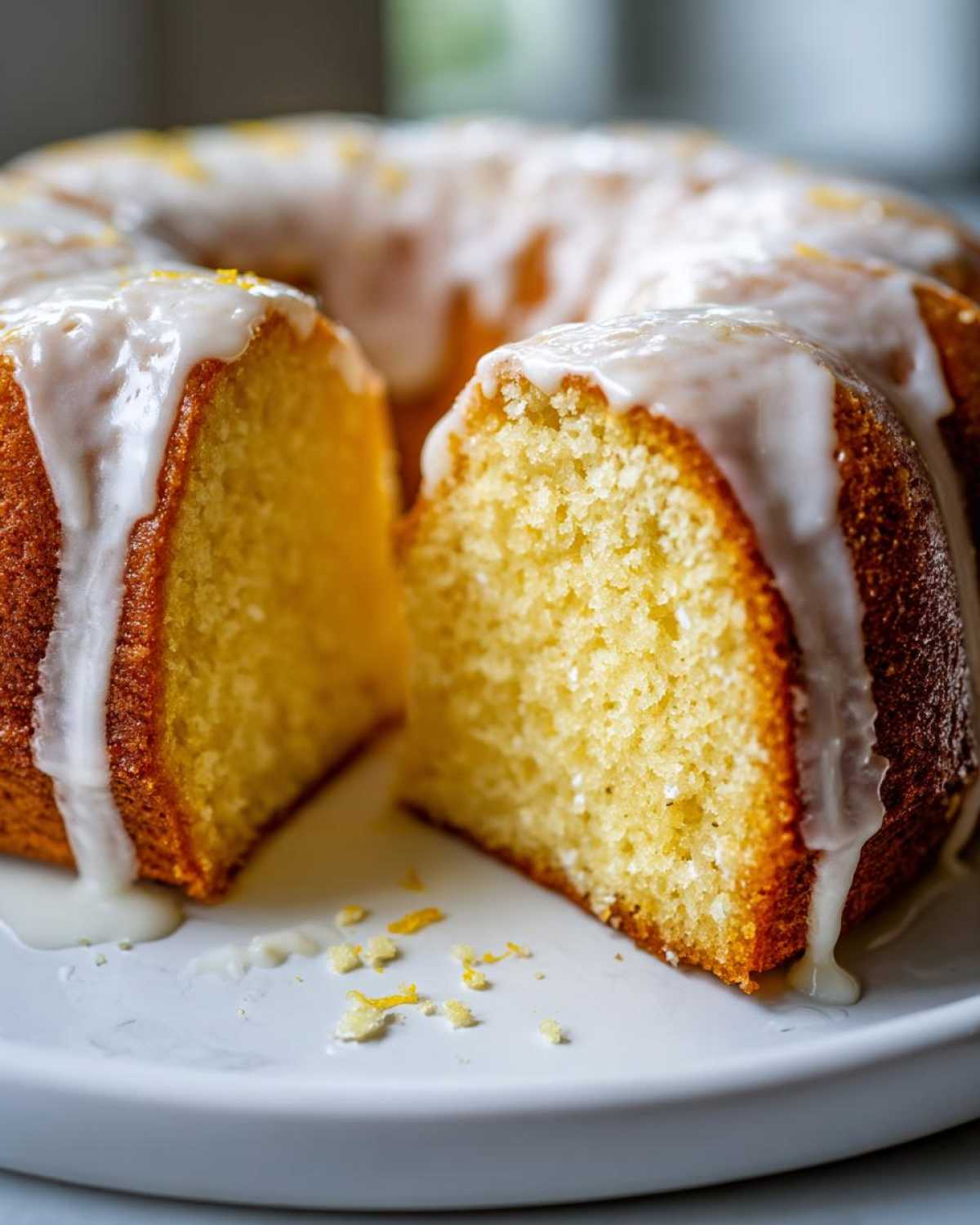
Preparing the Tangy Lemon Icing for Your Lemon Pound Cake
Once you’ve inverted the cake onto the rack, it’s glaze time! This tangy lemon icing is what takes this from a great cake to an irresistible lemon pound cake with glaze. It’s so simple it almost feels like cheating, but it pulls everything together perfectly.
Just whisk together your 2 cups of powdered sugar with 1/4 cup of fresh lemon juice. That’s the basic ratio for a lovely drizzle. If you want it thick—like the kind of icing that hides all the cracks and sets up nice and opaque—use less juice. If you prefer a thin glaze that seeps right into the warm cake for extra tang, add juice a teaspoon at a time until it pours like thick syrup. I love it when it’s thin enough to truly soak in, giving me that extra zip in every bite. Drizzle it all over that slightly warm cake; the warmth helps it meld in nicely. You can find some more fun baking ideas over at our brownie post!
Ingredient Notes and Substitutions for Your Lemon Pound Cake
Tips for Success When Making a Homemade Lemon Loaf Cake
Even with the best recipe blueprint, sometimes a cake needs a little nudge, right? That’s where we come in! Since we put so much research into this, Ethan and I have a few little pointers—a blend of his kitchen wisdom and my obsessive testing—that should guarantee this homemade lemon loaf cake bakes up beautifully every single time.
My biggest research-backed tip, Maya speaking here, is all about the pan prep. Because this lemon pound cake is so rich and heavy, it can sometimes stick stubbornly to the pan walls. Even though we buttered and floured, for extra peace of mind, especially if I’m using a Bundt pan, I always line the bottom with a circle of parchment paper. It’s just a little insurance policy against heartbreak. If you ever get a cake that sinks in the middle, it’s usually a temperature issue—make sure that oven is truly up to temp before it goes in!
Ethan’s contribution is more about the flavor extraction. He swears by zesting the lemons *before* you juice them. Makes perfect sense, right? If you juice first, the skin gets slippery and wet, and you lose the intense, oily aroma locked in the zest. He’ll often rub the zest right into the sugar for a minute before creaming it with the butter—it releases those essential oils immediately. It’s an intuitive step that truly brightens up the whole homemade lemon loaf cake, making it that much more zesty.
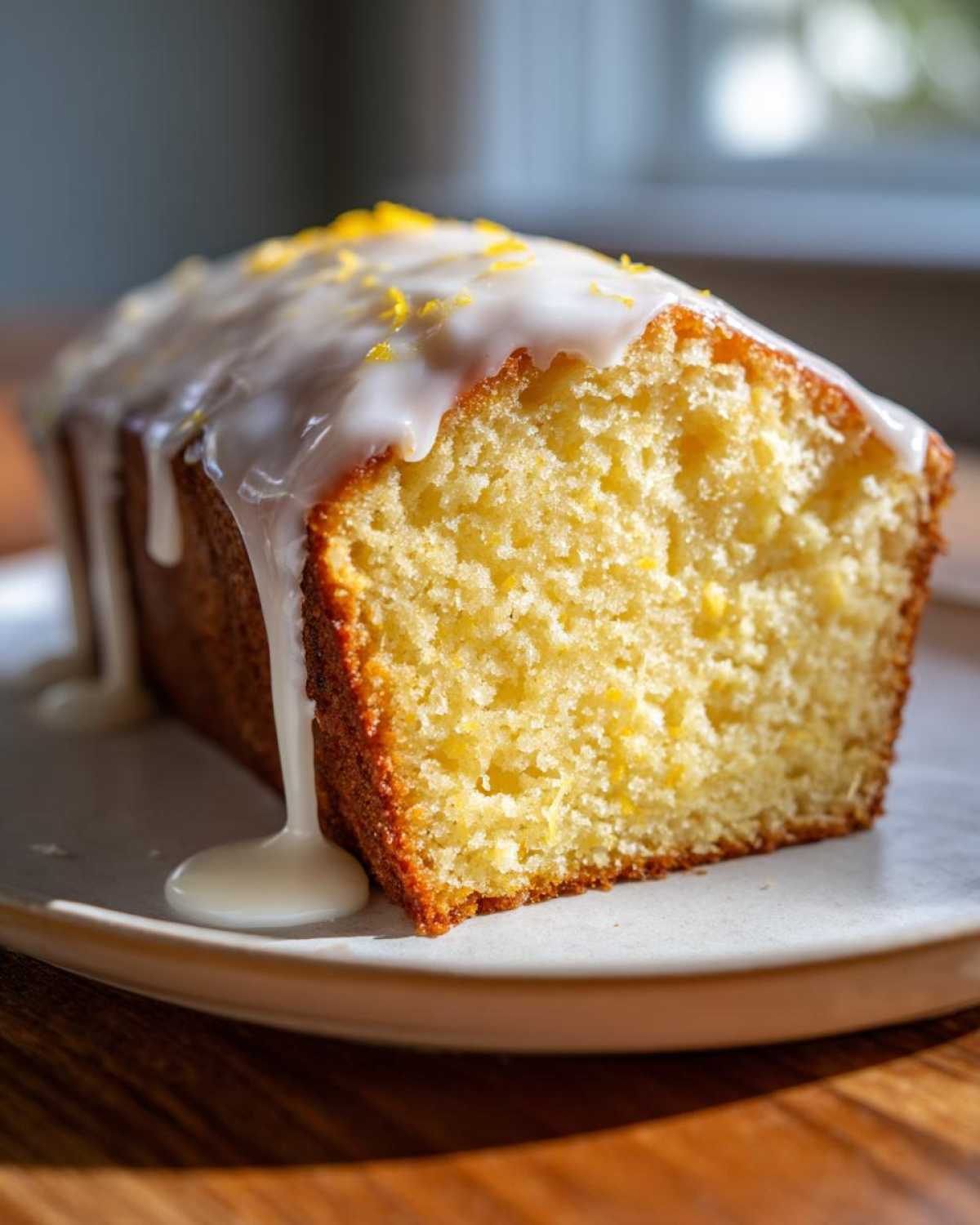
One thing folks worry about is storage. Pound cakes are so buttery they can feel greasy if stored wrong. After the glaze has set completely—and I mean *completely*—wrap the remaining cake tightly in plastic wrap, and then maybe foil. It stays perfectly moist at room temperature for about three days. If you need it longer, the fridge is fine, but let it sit on the counter for at least an hour before serving so that buttery texture softens up again.
Variations on the Classic Lemon Pound Cake
Now that you’ve mastered the absolute best lemon pound cake recipe, you might be thinking about how else you can play with this bright, buttery base. It’s funny, because when I started researching, I found so many amazing directions people take this classic! We had to include a few notes on how to adapt our recipe to suit those other popular styles you might have seen.
If you’re looking for a beautiful, dramatic presentation, turning this into a lemon bundt cake recipe is super simple. Since our batter is already rich and sturdy thanks to that sour cream, it holds the intricate shapes of a Bundt pan perfectly. Just make sure you really take your time greasing and flouring every nook and cranny—that’s my main tip for anyone baking in a Bundt. You want the cake to fall out cleanly like magic!
People also rave about the Italian lemon pound cake style. Generally, those versions swap out some or all of the butter for olive oil, which gives them a slightly different, almost floral crumb. If you want to experiment with that, try replacing half of your butter with a good quality, mild olive oil in the creaming stage. You’ll notice the texture gets a little silkier, though you might need slightly less lemon juice because olive oil carries flavor intensely. It’s a fantastic, slightly more rustic take on our lemon pound cake!
Another tweak I found interesting comes from those vintage recipes: some bakers skip the sour cream completely and rely on an extra splash of milk or buttermilk, aiming for a lighter texture. Remember, though, if you ditch the sour cream, you’re saying goodbye to our secret weapon for guaranteed moisture. So, while variations are great, stick to the sour cream if ultimate moistness is your goal here!
Serving Suggestions for Your Zesty Lemon Cake
Now that your beautiful, zesty lemon cake is cooling, the fun part begins: deciding how to serve it! Honestly, with that tangy lemon icing glistening on top, it already looks divine enough to serve naked. But if you’re prepping for a big brunch or just want to dress it up, I have a couple of easy ideas.
If you decided to skip the glaze altogether—maybe you prefer a lighter touch—a simple dusting of powdered sugar, like blowing fresh snow over the top, works wonderfully. For a richer dessert, serve thick slices next to fresh raspberries or blueberries. Ethan always insists on a dollop of lightly sweetened whipped cream too; the creaminess is just *chef’s kiss* against the tartness. If you’re looking for other great pairings, check out my recipe for grape salad; it’s surprising how well that light, sweet side goes with a slice of homemade lemon loaf cake!
Storage and Reheating Instructions for Lemon Pound Cake
Nobody wants to rush through this amazing lemon pound cake, so let’s talk about keeping those leftovers tasting just as good as the first slice. Because this is such a moist lemon pound cake—thanks to that heavenly sour cream—storage is actually quite easy, but you have to be smart about it!
The biggest thing you need to control is moisture loss. If you have that beautiful tangy lemon icing on top, you absolutely, positively must wait until that glaze is completely firm and dry before you wrap anything up. If you wrap it too soon, you end up with sticky condensation everywhere, and nobody wants a soggy lemon pound cake!

For short-term enjoyment, say the next couple of days, room temperature is actually best for this buttery lemon cake. Once the glaze is set, wrap the whole cake (or just the cut end of the loaf) tightly in plastic wrap. Ethan sometimes adds a layer of aluminum foil over that just for extra protection against drying out or picking up fridge smells. Stored this way, it stays wonderfully fresh on the counter for three full days.
If you need to keep it longer than that, you can absolutely freeze it! Wrap that fully glazed and cooled lemon pound cake tightly in two layers—plastic wrap first, then foil—and it will be great for up to two months. Just let it thaw slowly on the counter overnight to keep everything gentle.
Now, if you’re reheating a slice, I’m going to be honest, this cake really shines cold or at room temperature. But if you’re like Ethan and insist on warmth, don’t microwave the whole plate—it gets weird! Pop a small slice into a low oven (about 300°F) for just about 5 minutes until it warms through gently. That keeps the glaze soft but prevents the cake from becoming tough. You can read a few other tips on keeping things moist over at our meatloaf post—believe it or not, the principles of locking in moisture are similar!
Frequently Asked Questions About Making Lemon Pound Cake
We get so many amazing questions whenever we post our recipes, and our lemon pound cake is definitely a favorite for those queries! Since so many people are looking for the absolute best lemon pound cake recipe out there, I wanted to make sure we cleared up any confusion about technique and ingredients. These are the things Maya and I always talk through when we’re testing a new bake. Let’s tackle a few common spots!
Can I use buttermilk instead of sour cream in this lemon pound cake?
That’s a really common question when adapting a sour cream pound cake recipe! The answer is yes, you technically *can*, but it changes the texture, and that matters when you’re aiming for the *best* results. Sour cream has a higher fat content than buttermilk. That extra fat is what coats the flour and guarantees that super rich, tender crumb we are aiming for in this version of the lemon pound cake. If you use buttermilk, you’ll still get a great cake, but it might lean a little more towards the standard texture of a quick bread rather than that dense, luxurious pound cake consistency. You might also need to reduce the added lemon juice slightly, as buttermilk is already quite acidic!
What is the best pan size for this pound cake recipe from scratch?
For this specific batch of batter, which is quite generous because it’s a true pound cake recipe from scratch (lots of butter, sugar, and eggs!), we found the perfect fit was a large 10-inch tube pan or a standard 10- to 12-cup Bundt pan. That amount of batter bakes evenly in those dimensions without the center getting too deep, which helps prevent that dreaded sunken middle. If you only have smaller loaf pans—say, two standard 9×5-inch ones—you’ll need to divide the batter and plan on baking for closer to 55 or 60 minutes. Always check early, but remember that smaller pans cook faster!
We also get asked about using a standard 9×13 pan. You absolutely can! It will result in a much thinner cake, so you’ll need to drastically reduce your baking time—probably around 35 to 45 minutes. Since the thinner cake cools off faster, that’s when you’d want to apply that tangy lemon icing so it sets up nicely on the surface. For more of our kitchen wisdom, feel free to check out our post on creamy chicken enchiladas—we cover balancing rich flavors there too!
How much lemon zest is too much lemon zest?
That’s a super fun question, and it really gets to what Ethan calls “flavor commitment!” For this recipe, we specified one tablespoon, which is usually about 3 medium lemons. If you want an even more intense, vibrant yellow color and that strong zesty lemon cake punch, you can push it to 1.5 tablespoons, but I wouldn’t go much further than that. Zest has those little bitter oils lurking just under the yellow peel—that white pith. If you start grating so much zest that you’re getting a lot of white mixed in, the cake will taste slightly bitter and overpower the buttery notes we worked so hard to establish in this moist lemon pound cake. Stick to the bright yellow outer layer!
Share Your Perfect Lemon Pound Cake Experience
Okay, that’s it! You have the blueprint for what I truly believe is the ultimate, foolproof lemon pound cake. Ethan and I are so excited for you to try this—the combination of the buttery crumb, the intense zest, and that sharp, tangy lemon icing is just something special.
We pour our hearts into testing these recipes, balancing my need for exact measurements with Ethan’s flair for flavor, and we genuinely want to know how it turns out in YOUR kitchen. Did it come out perfectly moist? Did you use the sour cream, or did you try it another way?
Please don’t be shy! Jump down into the comments below and let us know how your homemade lemon loaf cake turned out. Rate the recipe, share your success stories, or ask any lingering questions you might have!
And hey, if you snap a picture of that glistening slice topped with that amazing glaze, share it on Instagram and tag us! We love seeing our recipes out in the world. If this hit the spot, you definitely need to check out our other lemon dessert recipes next time you’re looking for something sunny and bright!
PrintMoist Lemon Pound Cake with Tangy Glaze

Bake this classic lemon pound cake for a zesty, buttery dessert. We use sour cream to guarantee a moist crumb, topped with a bright, tangy lemon icing.
- Prep Time: 20 min
- Cook Time: 80 min
- Total Time: 100 min
- Yield: 12 servings
- Category: Dessert
- Method: Baking
- Cuisine: American
- Diet: Vegetarian
Ingredients
- 1 1/2 cups (3 sticks) unsalted butter, softened
- 3 cups granulated sugar
- 6 large eggs, room temperature
- 1 tablespoon fresh lemon zest (from about 3 lemons)
- 1/4 cup fresh lemon juice
- 1 cup full-fat sour cream
- 1 teaspoon vanilla extract
- 3 cups all-purpose flour
- 1 teaspoon baking powder
- 1/2 teaspoon salt
- For the Glaze: 2 cups powdered sugar
- For the Glaze: 1/4 cup fresh lemon juice
Instructions
- Preheat your oven to 325°F (160°C). Grease and flour a 10-inch tube pan or Bundt pan.
- In a large bowl, cream together the softened butter and granulated sugar until light and fluffy, about 5 minutes. This step incorporates air, leading to a better texture.
- Beat in the eggs one at a time, mixing well after each addition.
- In a separate small bowl, whisk together the lemon zest, lemon juice, sour cream, and vanilla extract. Set aside.
- In another bowl, whisk together the flour, baking powder, and salt.
- Gradually add the dry ingredients to the butter mixture, alternating with the sour cream mixture, beginning and ending with the dry ingredients. Mix only until just combined; do not overmix.
- Pour the batter into the prepared pan. Bake for 70 to 85 minutes, or until a wooden skewer inserted into the center comes out clean.
- Let the cake cool in the pan on a wire rack for 15 minutes.
- While the cake cools slightly, prepare the glaze: Whisk together the powdered sugar and lemon juice until smooth. Add more powdered sugar for a thicker glaze or more juice for a thinner consistency.
- Invert the cake onto the wire rack. Drizzle the tangy lemon icing evenly over the warm cake, allowing it to drip down the sides.
- Let the glaze set completely before slicing and serving your homemade lemon loaf cake.
Notes
- For the best flavor, use fresh lemons for both zest and juice; bottled juice changes the taste profile.
- Ensure your butter and eggs are at room temperature to help them combine smoothly with the sugar, which creates a finer crumb structure.
- If you prefer a Bundt cake recipe, this batter works perfectly in that shape as well.
Nutrition
- Serving Size: 1 slice
- Calories: 450
- Sugar: 45
- Sodium: 250
- Fat: 25
- Saturated Fat: 15
- Unsaturated Fat: 10
- Trans Fat: 0.5
- Carbohydrates: 55
- Fiber: 1
- Protein: 5
- Cholesterol: 110